Species Focus Area

Texas and North American Species

Our region carries coastal marsh, prairie, hill country springs, woodlands, and migration flyways — several very different worlds close together.

Why this group matters

These species are a direct local responsibility. Decisions made by Texas landowners, cities, and water districts determine whether most of them continue.

Common threats

  • · Rapid development and ranchland fragmentation
  • · Water demand, drought, and spring decline
  • · Prairie and thornscrub habitat loss
  • · Road mortality and collisions

How people can help

  • · Support local land trusts and conservation easements
  • · Plant regionally native species and conserve water
  • · Learn the listed species specific to your county

Ten Texas and North American Species of Exceptional Conservation Concern

These ten are not a scientific ranking. They were selected for conservation urgency, teaching value, and regional relevance, and each one has a complete, sourced profile.

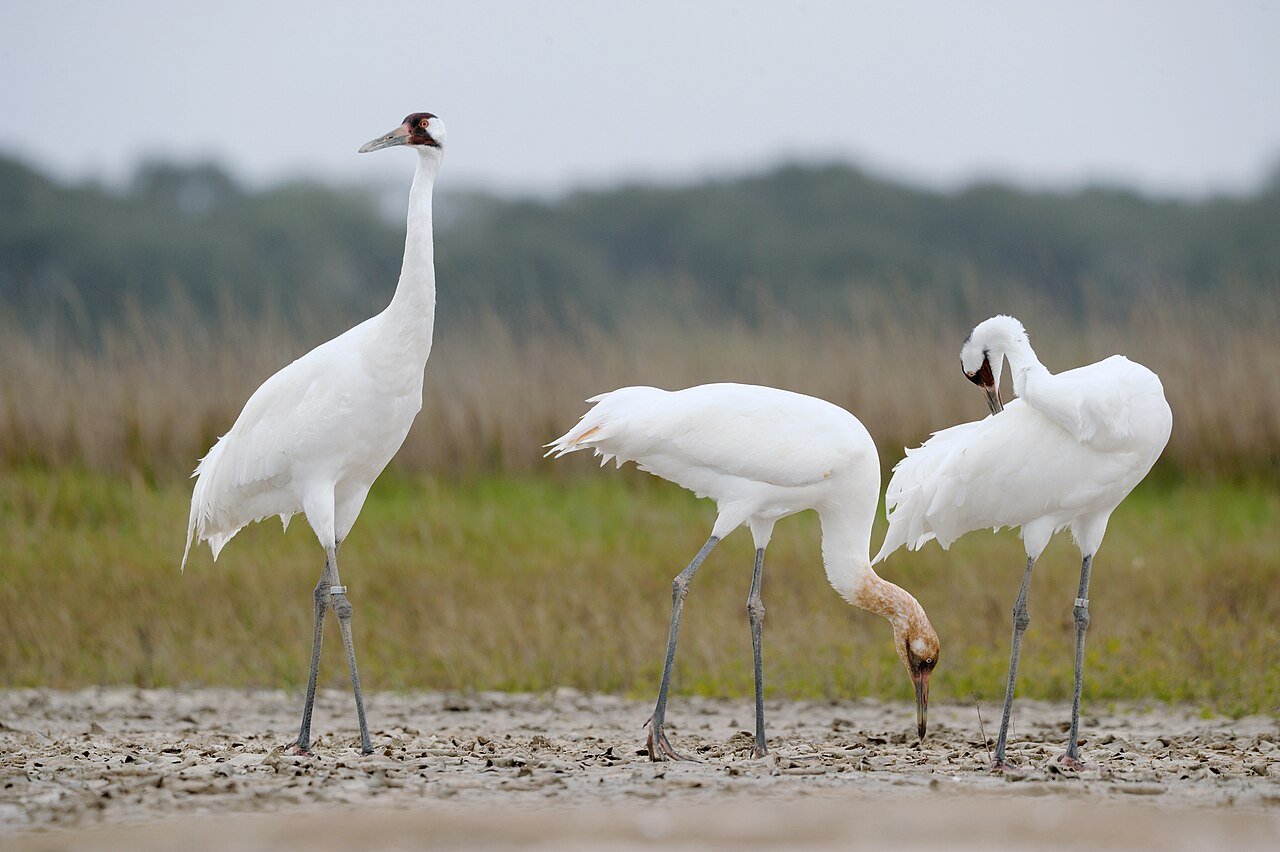
Three whooping cranes standing in a coastal marsh, showing white plumage and red crowns.

Endangered (IUCN and ESA)

Whooping Crane

Grus americana

North America's tallest bird, rebuilt from about 15 birds in the 1940s to a wild flock that migrates 2,500 miles to the Texas coast.

Region:
Canada to the Texas Gulf Coast
Principal threat:
Wetland loss and power line collisions
View full profile →
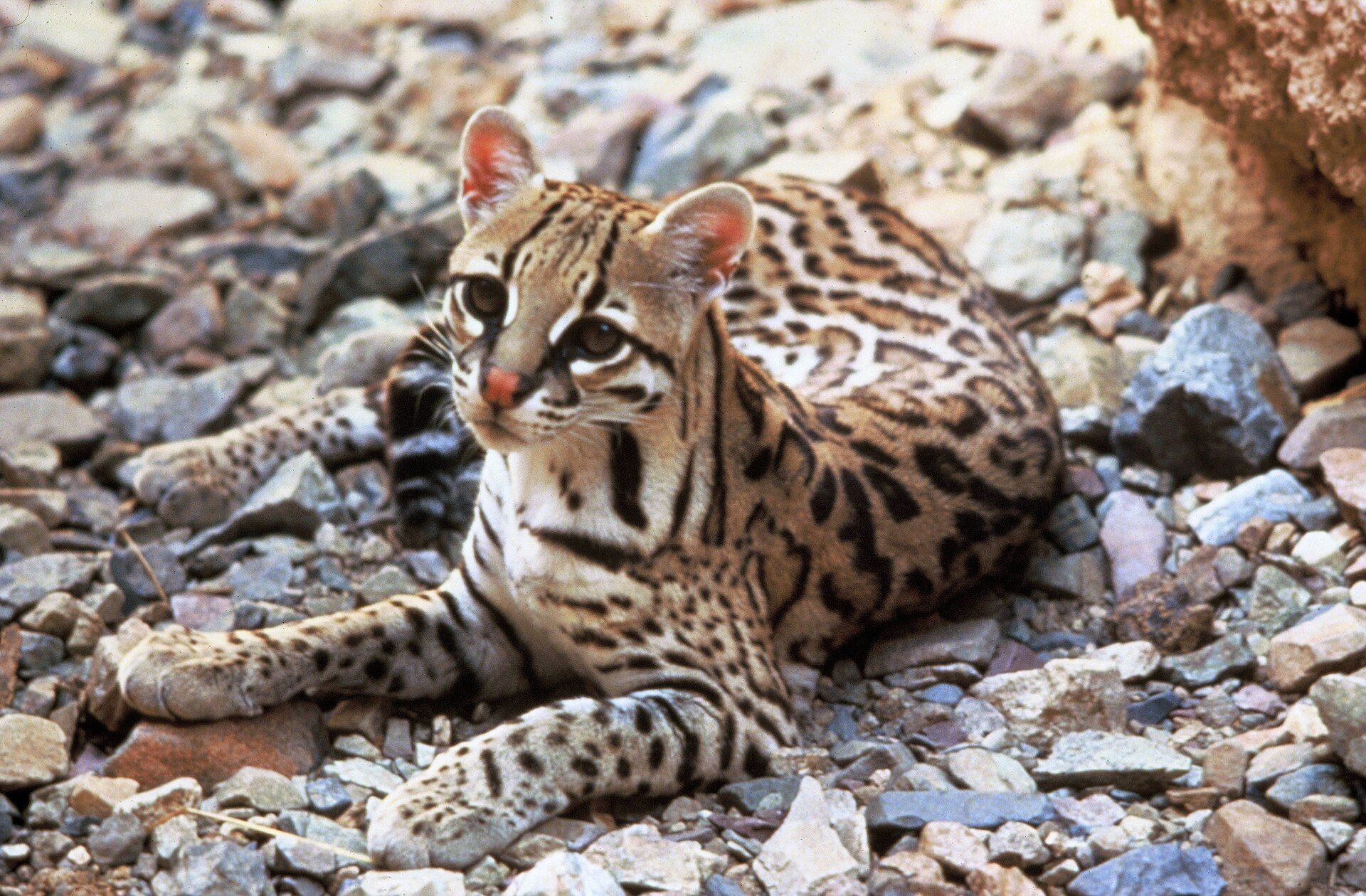
An ocelot lying on rocky ground, its spotted and striped coat clearly visible.

Least Concern (IUCN) / Endangered (ESA)

Ocelot

Leopardus pardalis

Secure across Latin America but nearly gone from the United States, where a few dozen cats survive in south Texas thornscrub.

Region:
South Texas through South America
Principal threat:
Thornscrub loss and road mortality
View full profile →
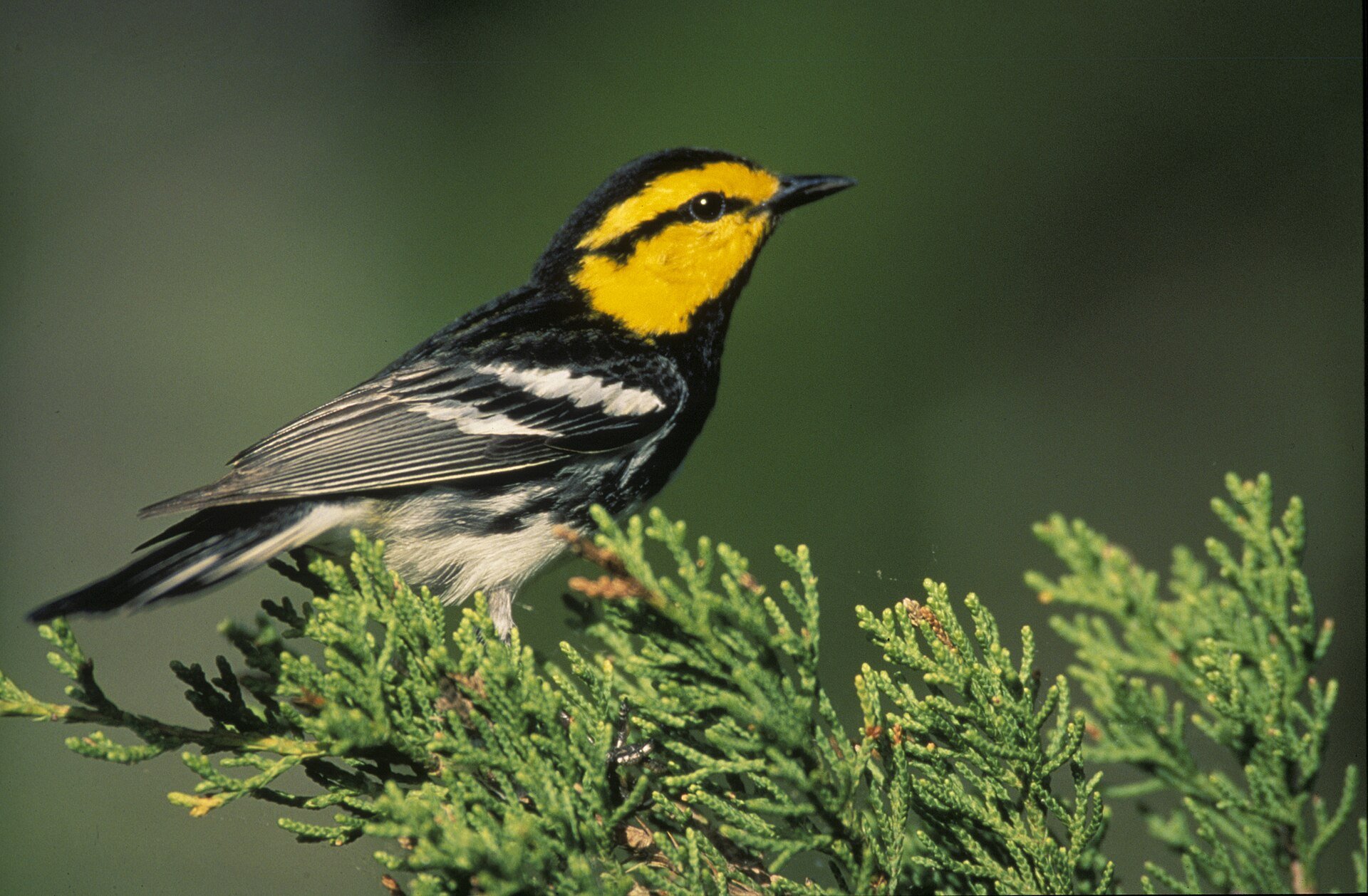
A golden-cheeked warbler perched on a juniper branch, showing its yellow face and black throat.

Endangered (IUCN and ESA)

Golden-cheeked Warbler

Setophaga chrysoparia

The only bird species that nests exclusively in Texas, building its nest from the bark of mature Ashe juniper.

Region:
Central Texas (breeding); Mexico and Central America (winter)
Principal threat:
Clearing and fragmentation of juniper-oak woodland
View full profile →
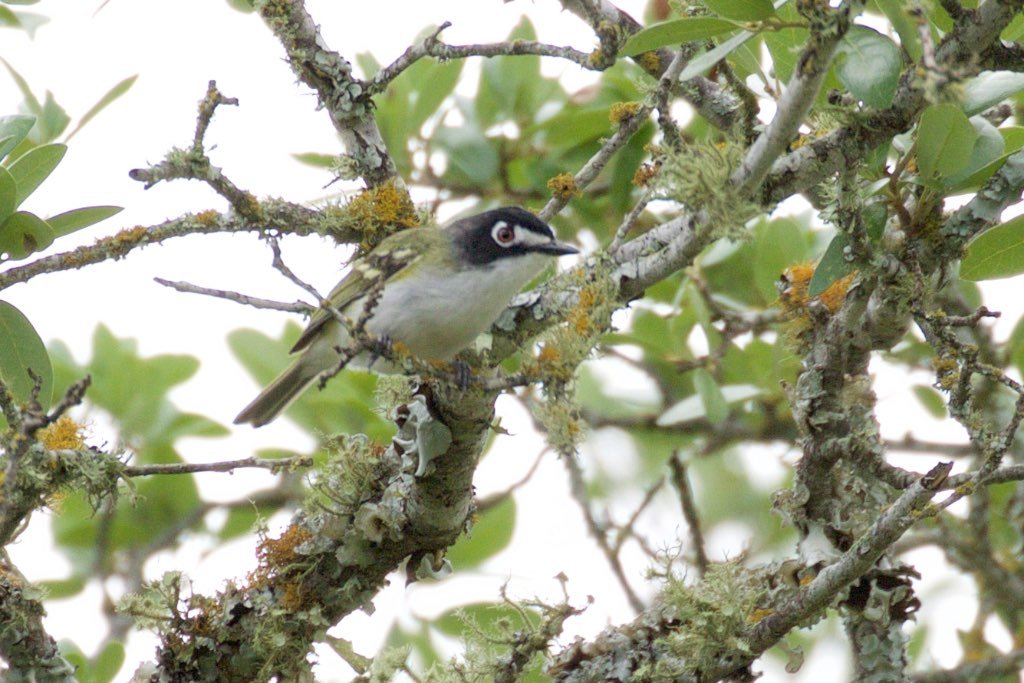
A black-capped vireo perched among oak leaves, showing its black head and white spectacles.

Near Threatened (IUCN); ESA delisted 2018

Black-capped Vireo

Vireo atricapilla

A small shrubland songbird removed from the U.S. endangered list in 2018 after recovery, and still dependent on active habitat management.

Region:
Texas, Oklahoma, and Mexico
Principal threat:
Shrubland succession and cowbird parasitism
View full profile →
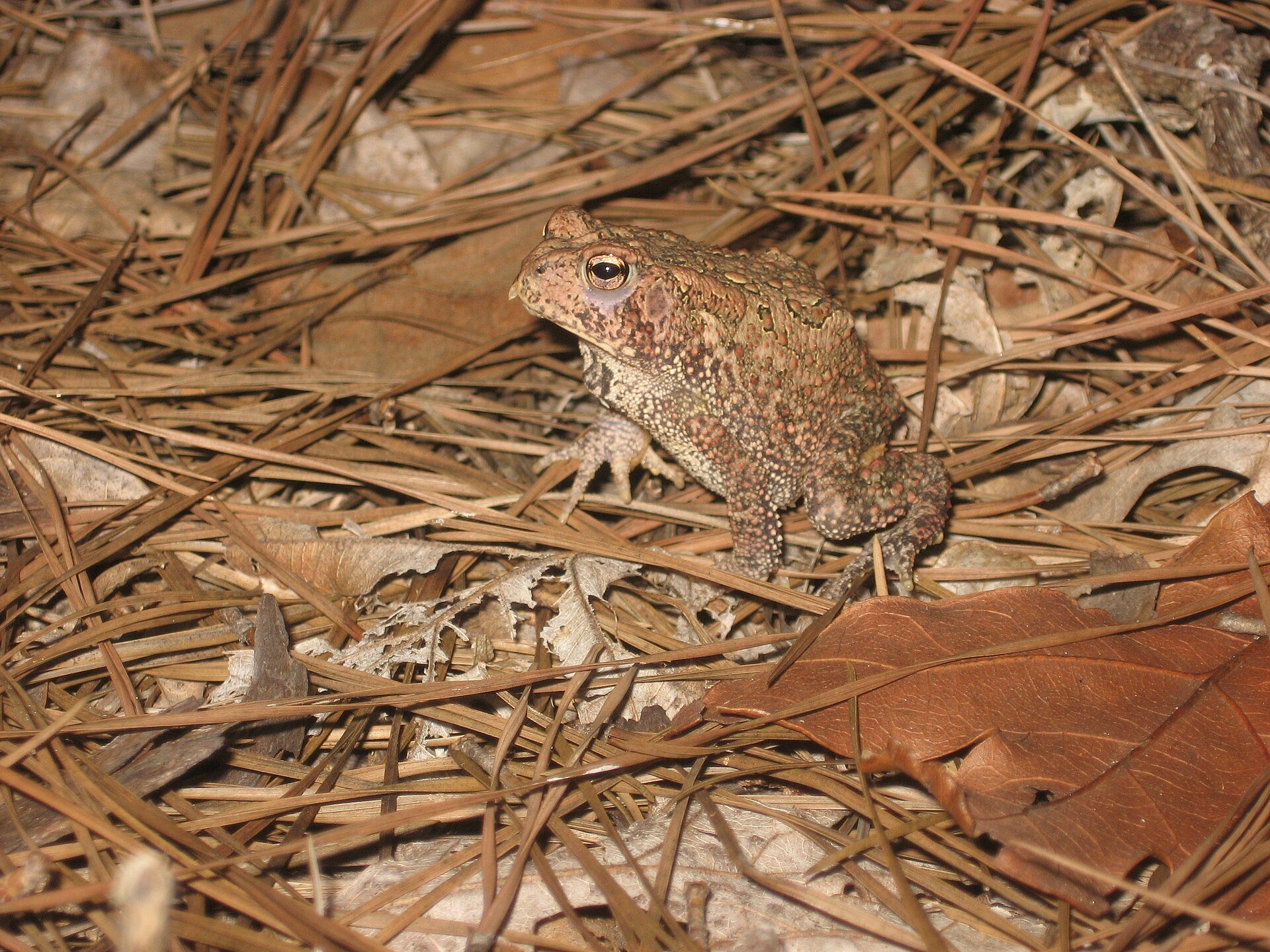
A Houston toad sitting on a bed of dry pine needles, showing its warty brown skin.

Endangered (IUCN and ESA)

Houston Toad

Anaxyrus houstonensis

One of the first animals ever protected under U.S. endangered species law, now found in only a few central Texas counties.

Region:
Southeast-central Texas
Principal threat:
Loss of deep-sand woodland and breeding pools
View full profile →
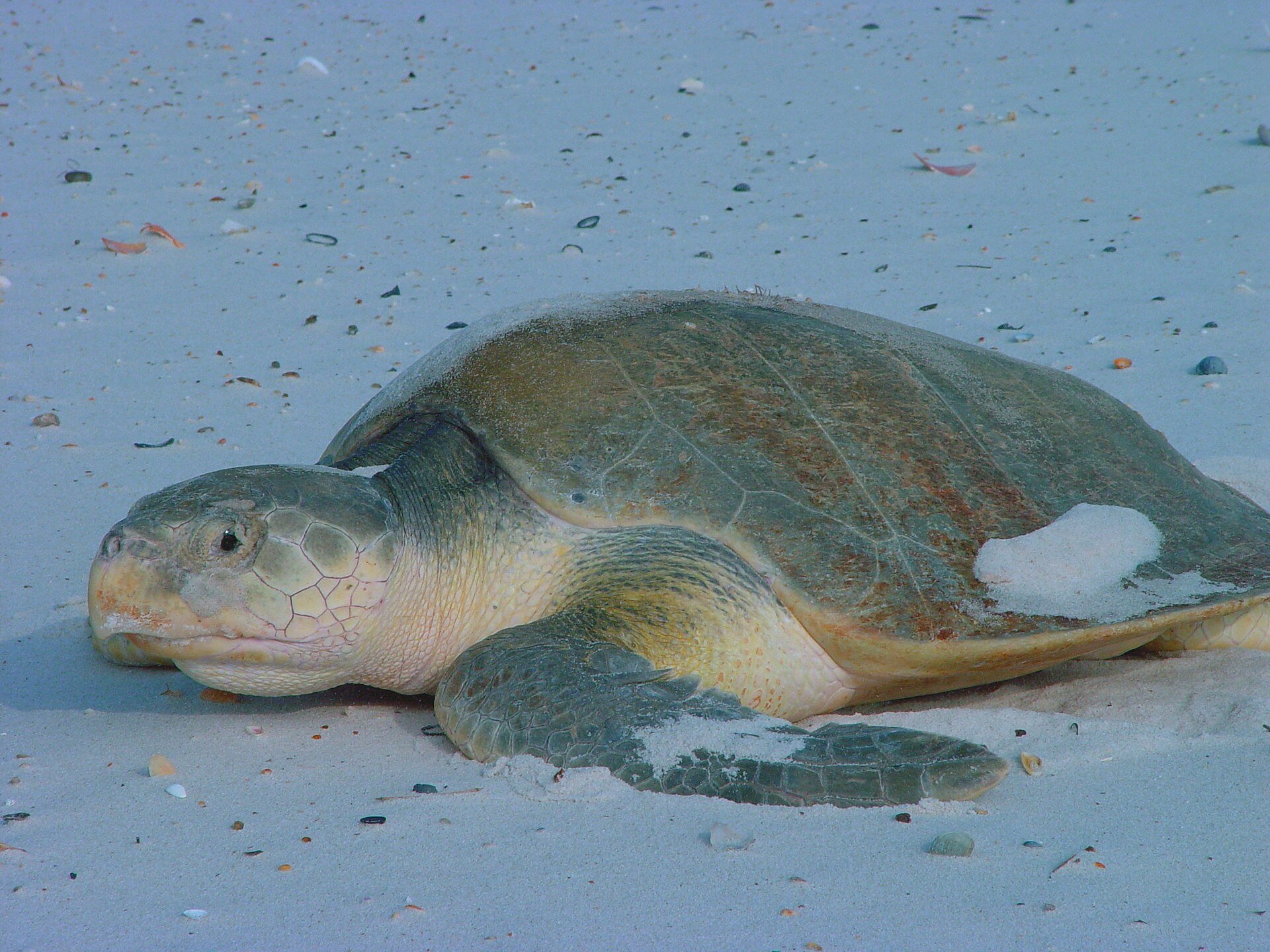
A Kemp's ridley sea turtle on a pale sandy beach, showing its rounded grey-green shell.

Critically Endangered (IUCN) / Endangered (ESA)

Kemp's Ridley Sea Turtle

Lepidochelys kempii

The world's smallest and most endangered sea turtle, nesting almost entirely on a short stretch of Gulf coastline in Mexico and Texas.

Region:
Gulf of Mexico and western Atlantic
Principal threat:
Bycatch in fishing gear
View full profile →
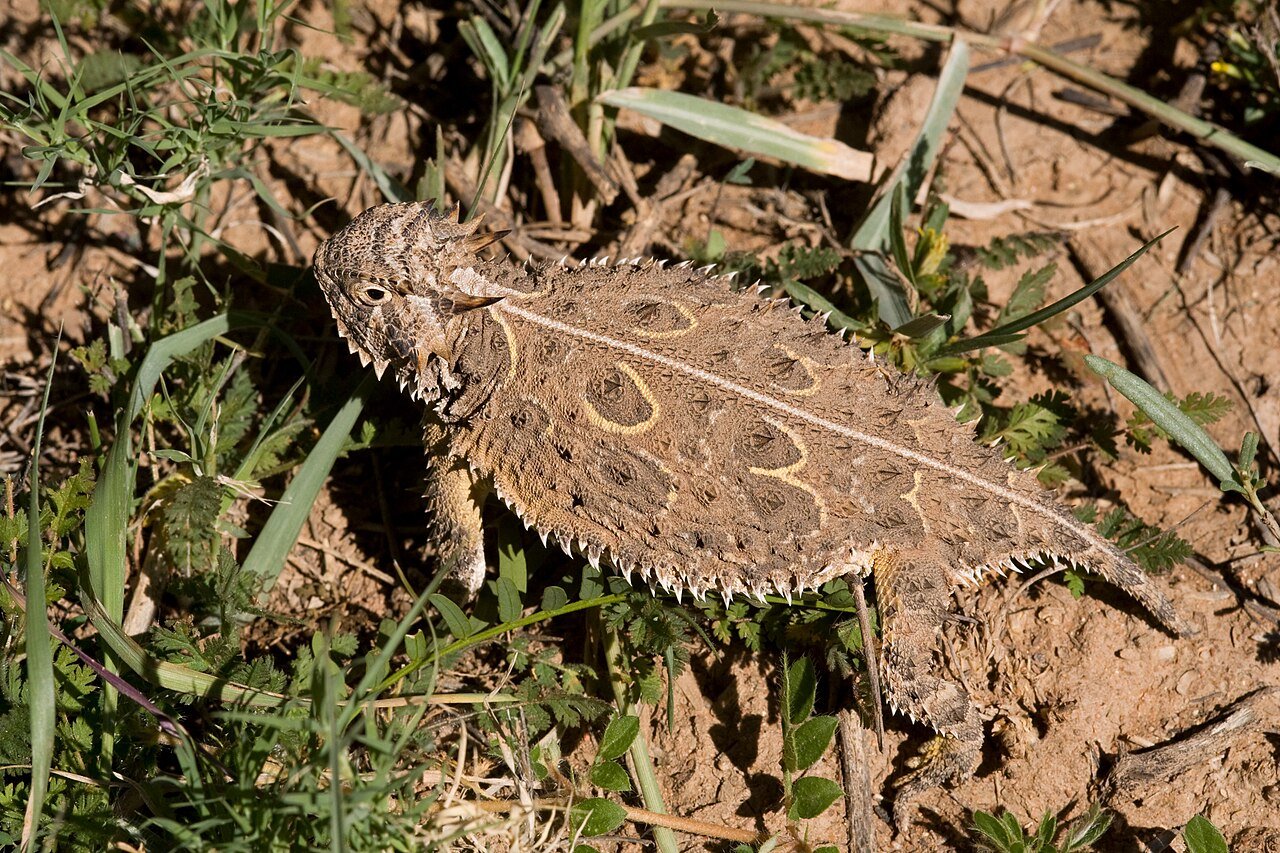
A Texas horned lizard on rocky soil, showing its crown of horns and flattened spiny body.

Least Concern (IUCN); Threatened (Texas state listed)

Texas Horned Lizard

Phrynosoma cornutum

The Texas state reptile, once common in yards and schoolyards and now largely gone from the eastern half of the state.

Region:
Texas, the southern plains, and northern Mexico
Principal threat:
Loss of harvester ants to fire ants and pesticides
View full profile →
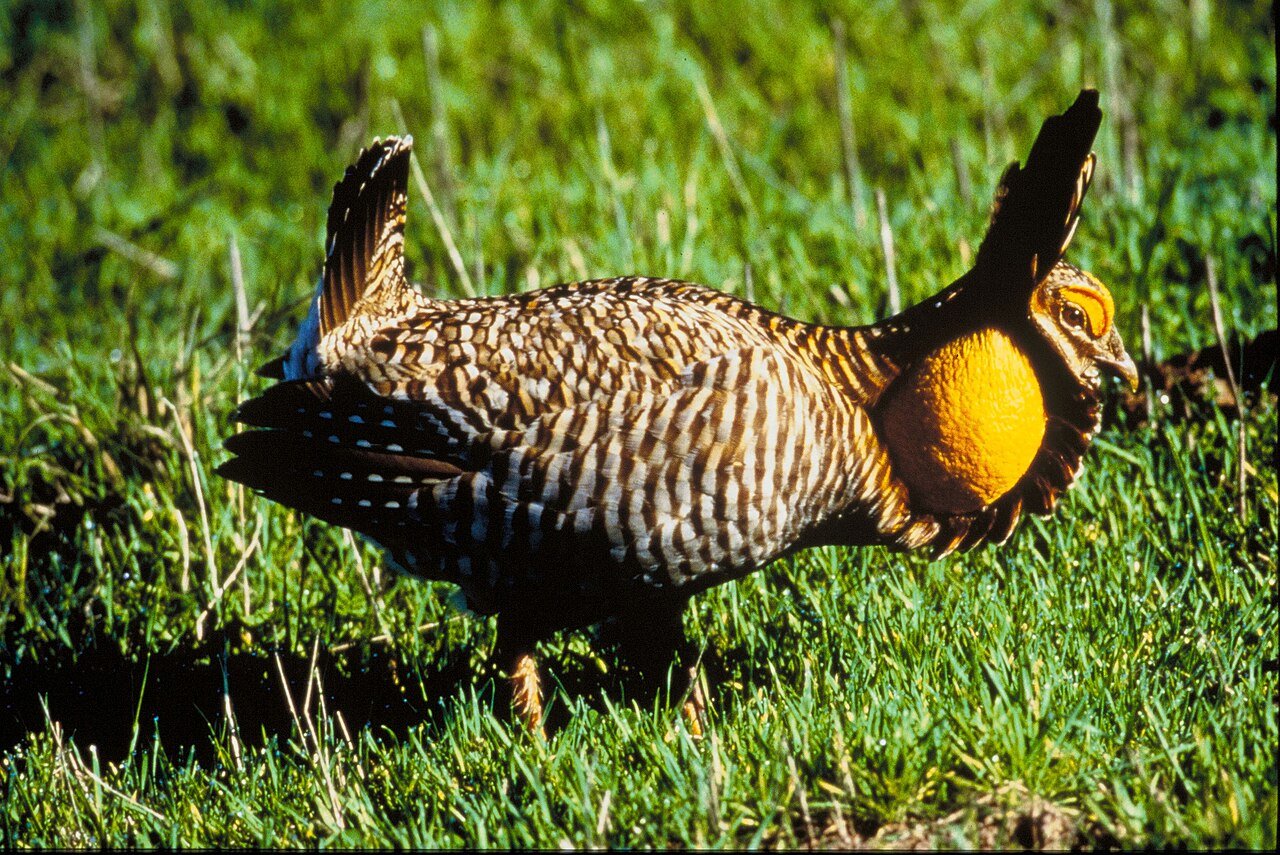
A male Attwater's prairie-chicken displaying on coastal prairie, with orange neck sacs inflated and neck feathers raised.

Endangered (ESA, subspecies)

Attwater's Prairie-Chicken

Tympanuchus cupido attwateri

A coastal prairie grouse down to a few dozen wild birds, surviving only through annual captive releases on the Texas Gulf Coast.

Region:
Texas Gulf Coast prairie
Principal threat:
Loss of coastal tallgrass prairie
View full profile →
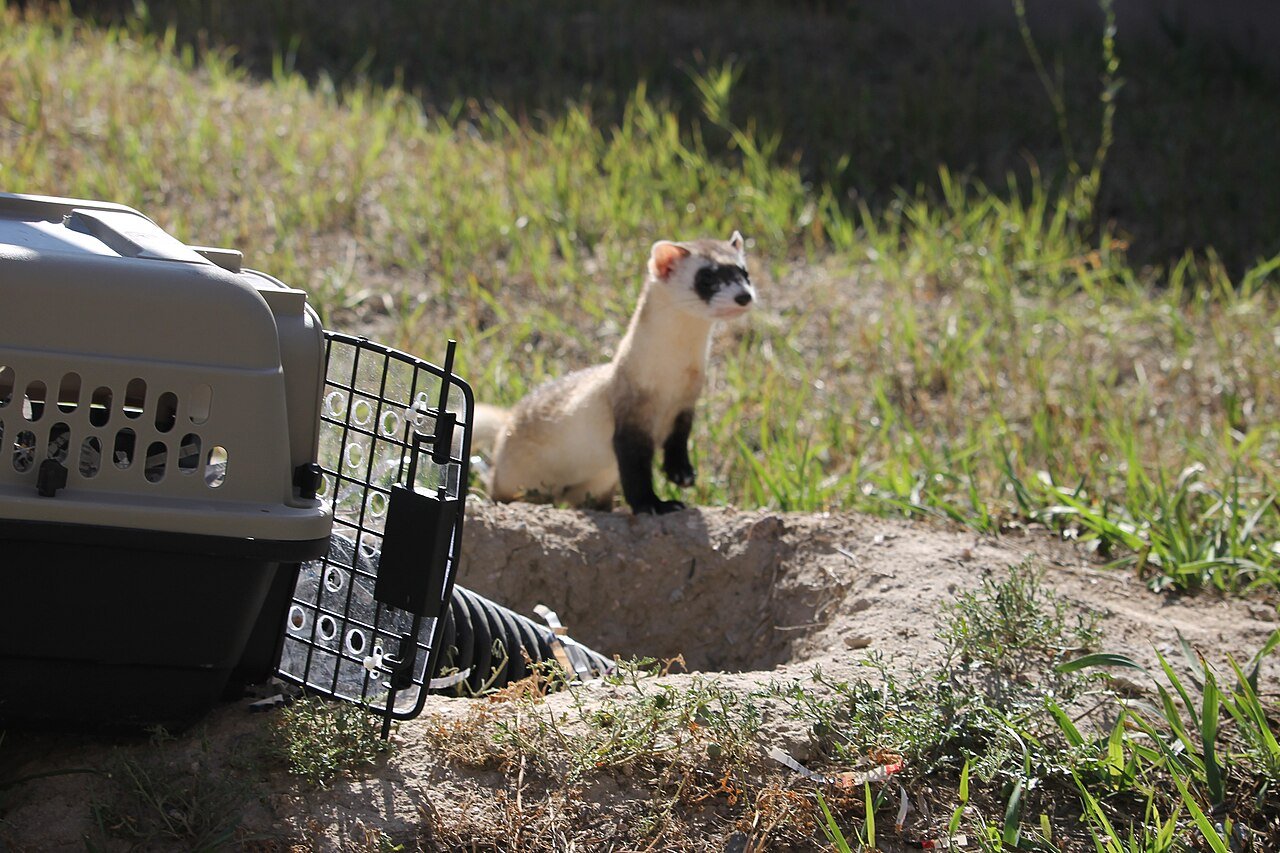
A black-footed ferret stepping out of a transport carrier at a burrow entrance in short grassland.

Endangered (IUCN and ESA)

Black-footed Ferret

Mustela nigripes

North America's only native ferret, twice believed extinct, entirely dependent on prairie dog colonies for food and shelter.

Region:
Great Plains of North America
Principal threat:
Loss of prairie dog colonies and sylvatic plague
View full profile →
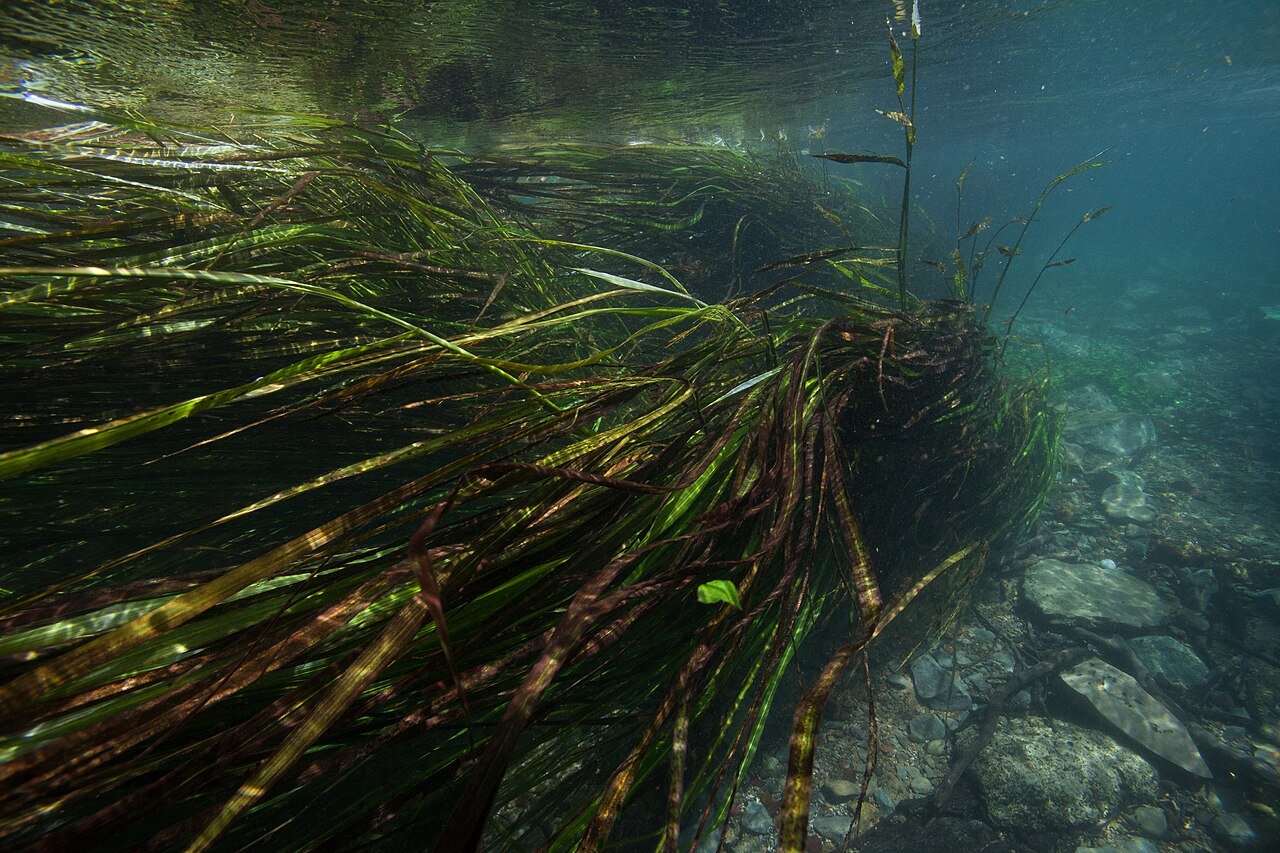
Long green blades of Texas wild rice streaming underwater in a clear spring-fed river.

Critically Endangered (IUCN) / Endangered (ESA)

Texas Wild Rice

Zizania texana

An aquatic grass that grows in the wild in exactly one place on earth: the upper two miles of the San Marcos River in Texas.

Region:
Upper San Marcos River, Texas
Principal threat:
Spring flow loss, recreation damage, and invasive plants
View full profile →