A branch of Green Earth Initiatives · The Humanity Project
Endangered Species
Awareness, education, habitat care, and action for threatened wildlife.
Endangered Species is a focused conservation and education branch within The Humanity Project ecosystem and Green Earth Initiatives. It exists to help people understand why threatened wildlife matters, how habitat loss and human neglect affect living creatures, and how ordinary people can participate in practical care, awareness, restoration, and protection.
What Endangered Species Means
An endangered species is a plant or animal at serious risk of disappearing from the wild. A threatened species is one heading that direction if conditions do not change. These are not labels for distant places only — they describe creeks, fields, woodlots, and roadsides close to home.
Plain language
Endangered
So few individuals remain, or their habitat is so damaged, that the species could be lost without deliberate protection.
Plain language
Threatened
Still present, but declining. Threatened species are the early warning — and the best opportunity to act while action is still simple.
Plain language
Extinct
Gone. Extinction is permanent. No restoration project, budget, or good intention brings a species back once the last one is gone.
Why Species Decline Matters
Species decline is a scientific concern, but it is not only a scientific concern. It is moral, spiritual, ecological, educational, and generational.
Living witnesses to the condition of creation
Species are not abstractions. They are living witnesses to the state of habitat, land, water, climate, human choices, and stewardship. When they vanish quietly, something true about our care has already been said out loud.
What is lost is not only the animal
- Pollination, seed dispersal, water filtration, and pest balance
- Food webs that support species we do notice
- Local knowledge, memory, and the teaching value of a place
- The inheritance handed to children and grandchildren
Species, Habitat, and Human Responsibility
Almost every species in trouble is in trouble because of where it lives. Habitat is the practical center of conservation, and habitat is where ordinary people have real influence.
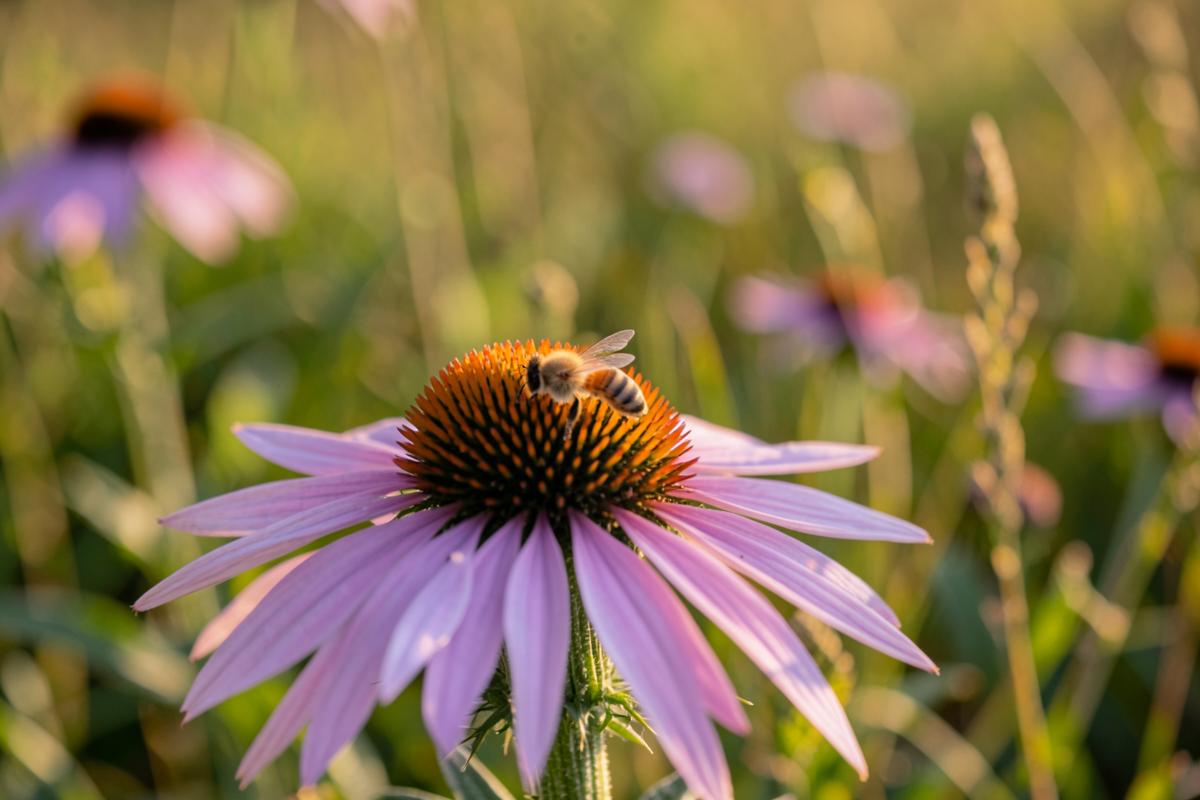
Litter in a storm drain becomes litter in a creek. A mowed roadside is a missing milkweed patch. A paved lot is a lost soak-in for rainwater. None of these decisions feel like wildlife decisions when they are made, and all of them are.
Responsibility here is not guilt. It is the ordinary recognition that our choices reach further than we see, and that repair is available to us at the same scale.
Habitat & Restoration →Connected Projects
Endangered species care belongs beside creek cleanup, watershed stewardship, pollinator support, gardens, food resilience, and urban wildlife awareness. These are the same work seen from different angles.
Sibling project
Clean It Up!
Creek care, litter removal, watershed stewardship, and urban wildlife awareness.
Visit site →Sibling project
Heartland Project
Gardens, pollinators, native plants, food resilience, and green communities.
Visit site →Ways to Get Involved
Start where you are. Every path below is open to individuals, families, schools, churches, neighborhoods, volunteers, businesses, and conservation partners.
Learn one species well
Pick a species near you and learn it properly. Depth beats breadth for most people.
Plant for pollinators
Native, regionally appropriate plants turn a yard, lot, or churchyard into habitat.
Join a cleanup
Creek and roadside cleanups are the fastest way to protect urban wildlife habitat.
Education and Awareness
Education is the practical starting point. Most people are willing to care about what they have been taught to notice.
For schools
Classroom-friendly topics, observation projects, and habitat lessons.
For churches and youth groups
Stewardship framed as responsibility and care rather than slogan or campaign.
For families
Simple, repeatable practices that children can carry into adulthood.
Part of The Humanity Project
The Humanity Project is the parent hub. Green Earth Initiatives is its practical restoration and conservation branch. Endangered Species sits inside that work as a focused effort for threatened wildlife — connected to the Heartland Project, Clean It Up!, the Quiet Works Project, and the written framework of Humanity’s Blight and Cure.