Habitat & Restoration
Species survive where habitat survives
Protecting wildlife is mostly protecting places. Restoration is the practical, repeatable work that gives species somewhere to live.
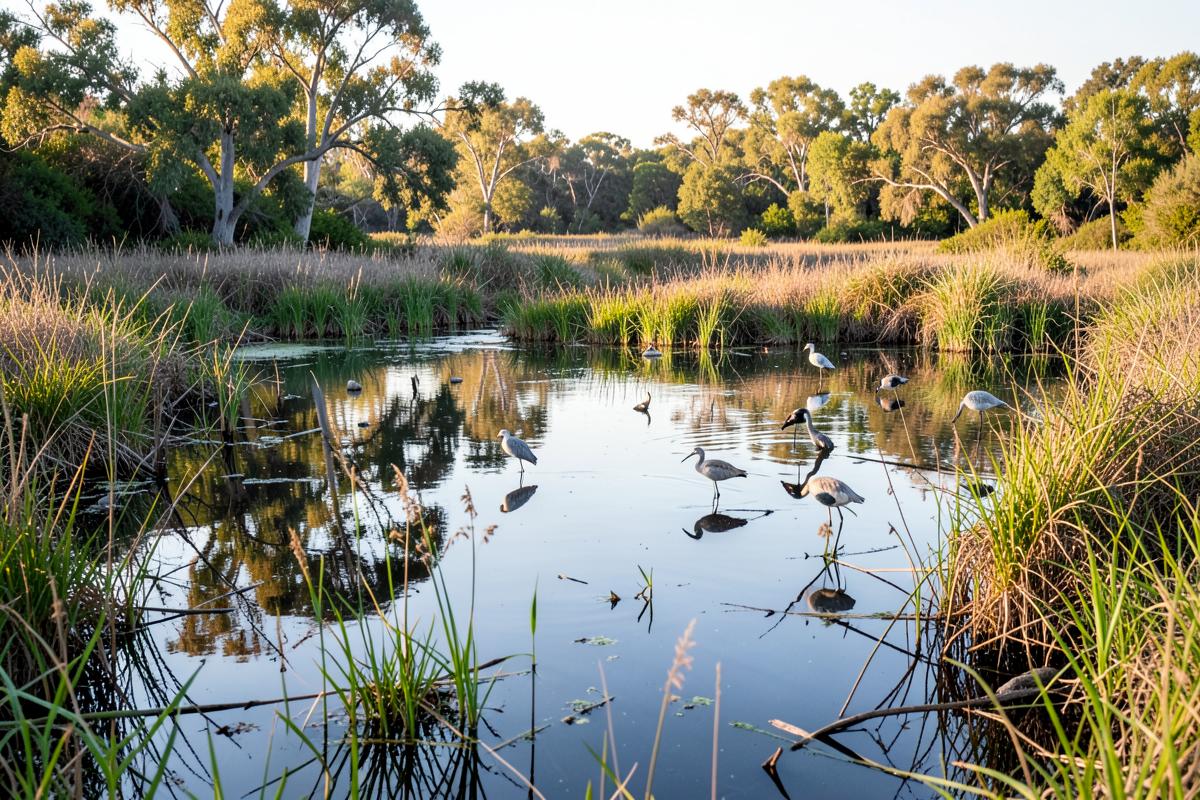
Habitat focus areas
Forests
Canopy, understory, deadwood, and leaf litter each hold different species. A tidy woodland is often an empty one.
Grasslands
Prairie and meadow are among the most reduced habitats on the continent, and among the fastest to respond to native replanting.
Wetlands
Wetlands filter water, absorb floods, and shelter breeding amphibians, fish, and birds. Drainage removes all three at once.
Creeks and watersheds
Small creeks carry the health of everything upstream. Litter, runoff, and erosion show up here first.
Rivers and lakes
Flow, temperature, and connection determine what can live and move. Barriers can isolate populations permanently.
Pollinator corridors
Strips of flowering native plants along roads, fences, yards, and easements stitch fragmented habitat back together.
Urban green spaces
Parks, churchyards, school lots, and greenbelts are functioning habitat when planted and maintained with wildlife in mind.
Native plants
Native plants support the insects that support nearly everything else. Ornamental-only landscaping is a quiet food desert.
Clean water
Water quality is the single clearest measure of whether a watershed's wildlife has a future.
Food webs
Species do not survive alone. Protecting one animal means protecting what it eats and where that grows.
Wildlife corridors
Animals need to move — for food, mates, and changing conditions. Connection is habitat in its own right.
Restoration in practice
Restoration is rarely dramatic. It is trash pulled from a creek, native seed in the ground, a mower left in the shed during bloom, and a bank that stops eroding because roots hold it.
Step one
Remove what is harming
Litter, dumped debris, invasive plants, and sources of runoff. Removing harm is often the largest single gain.
Step two
Return what is missing
Native plants, shade, streamside buffers, nesting cover, water access, and connection between patches.
Step three
Protect and repeat
Habitat care is maintenance, not an event. Recurring, modest attention beats one large day of work.
Who does this work in the ecosystem
Endangered Species does not do habitat work alone. These sibling projects carry much of it directly.
Creeks and watersheds
Clean It Up!
Creek care, litter removal, watershed stewardship, and urban wildlife awareness — including reporting problem areas and organizing cleanups.
Visit Clean It Up! →Gardens and pollinators
Heartland Project
Gardens, native plants, pollinator support, urban beekeeping, green communities, and food resilience.
Visit Heartland Project →Restoration branch
Green Earth Initiatives
The broader conservation and restoration branch coordinating stewardship, cleanups, waterways, education, and community action.
Visit Green Earth Initiatives →