Species Focus Area

Reptiles and Amphibians

Amphibians breathe and absorb through their skin, which makes them among the first species to register pollution and habitat change. Reptiles are slow to replace losses once adults are removed.

Why this group matters

These animals sit in the middle of food webs, eating insects and being eaten in turn. Their long lives and low reproduction rates mean populations recover slowly.

Common threats

  • · Wetland and pond loss
  • · Water contamination and pesticide runoff
  • · Disease, including chytrid fungus
  • · Collection, road mortality, and killing out of fear

How people can help

  • · Protect small seasonal ponds and wet areas
  • · Avoid pesticide and herbicide runoff
  • · Leave snakes and turtles where they are rather than relocating them

Ten Reptiles and Amphibians of Exceptional Conservation Concern

These ten are not a scientific ranking. They were selected for conservation urgency, teaching value, and regional relevance, and each one has a complete, sourced profile.

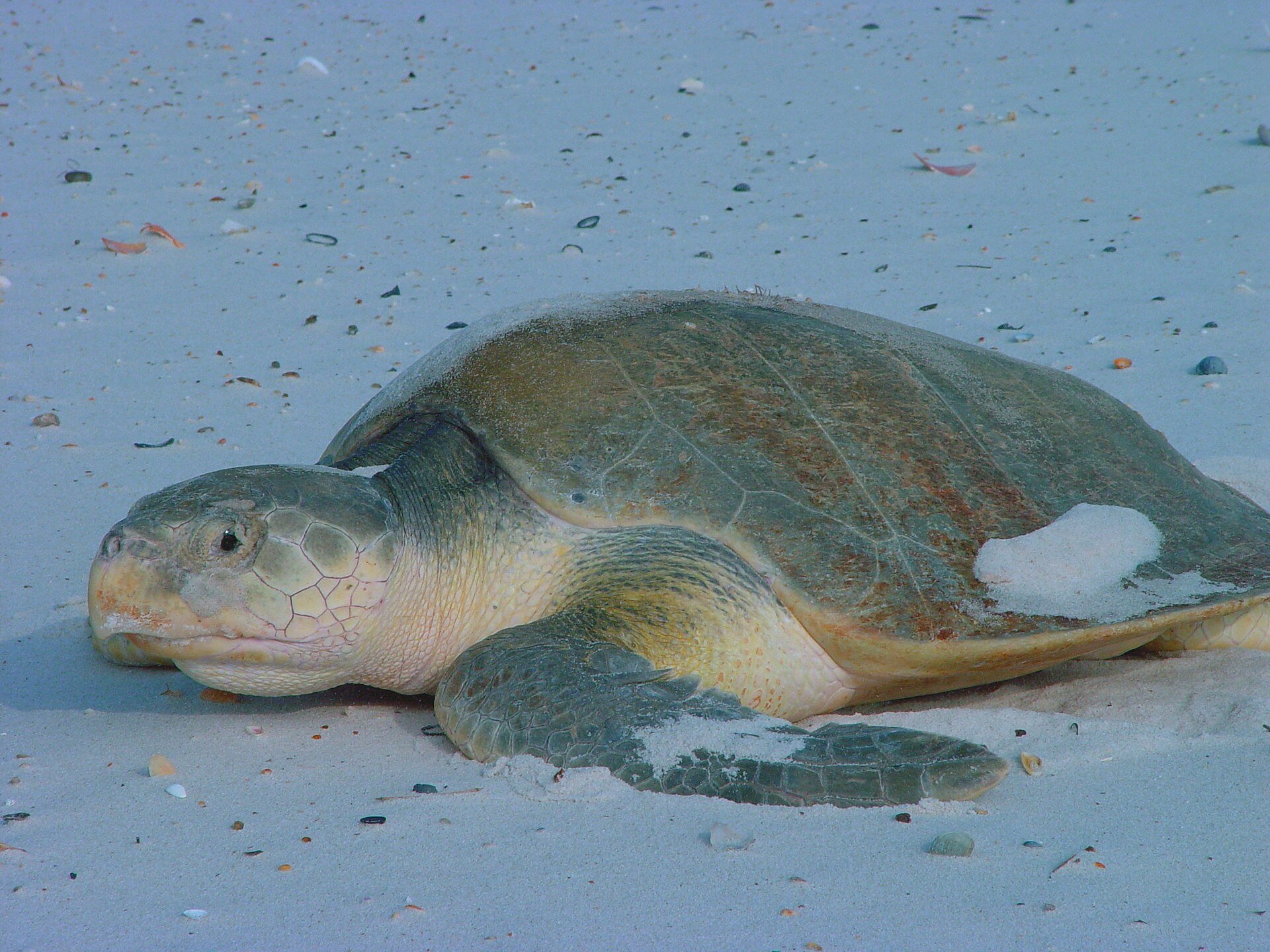
A Kemp's ridley sea turtle on a pale sandy beach, showing its rounded grey-green shell.

Critically Endangered (IUCN) / Endangered (ESA)

Kemp's Ridley Sea Turtle

Lepidochelys kempii

The world's smallest and most endangered sea turtle, nesting almost entirely on a short stretch of Gulf coastline in Mexico and Texas.

Region:
Gulf of Mexico and western Atlantic
Principal threat:
Bycatch in fishing gear
View full profile →
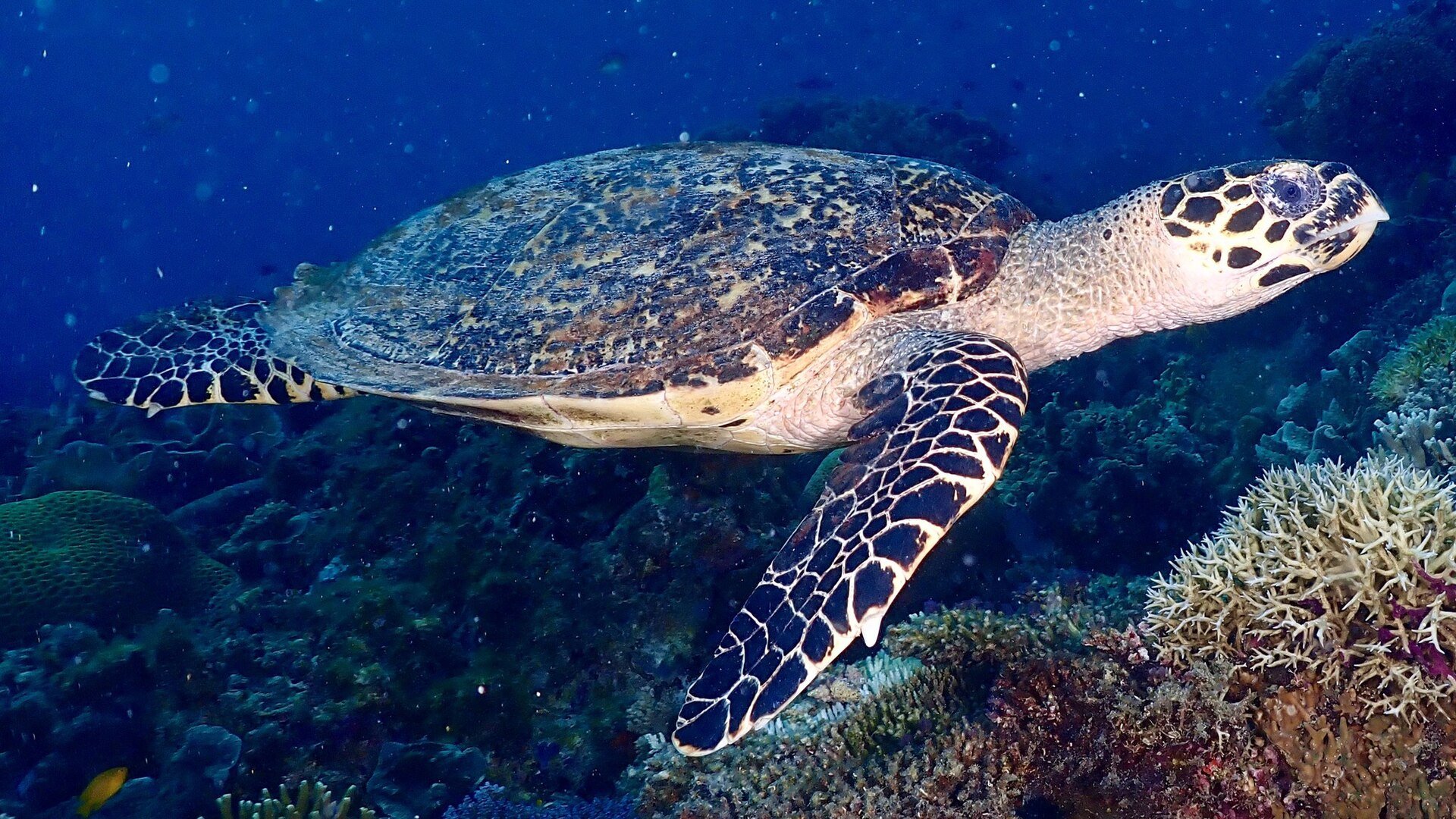
A hawksbill sea turtle swimming over a reef, its patterned shell and hooked beak visible.

Critically Endangered (IUCN) / Endangered (ESA)

Hawksbill Sea Turtle

Eretmochelys imbricata

A coral reef turtle hunted for centuries for its patterned shell, sold as tortoiseshell, and still critically endangered worldwide.

Region:
Tropical reefs worldwide
Principal threat:
Shell trade and coral reef loss
View full profile →
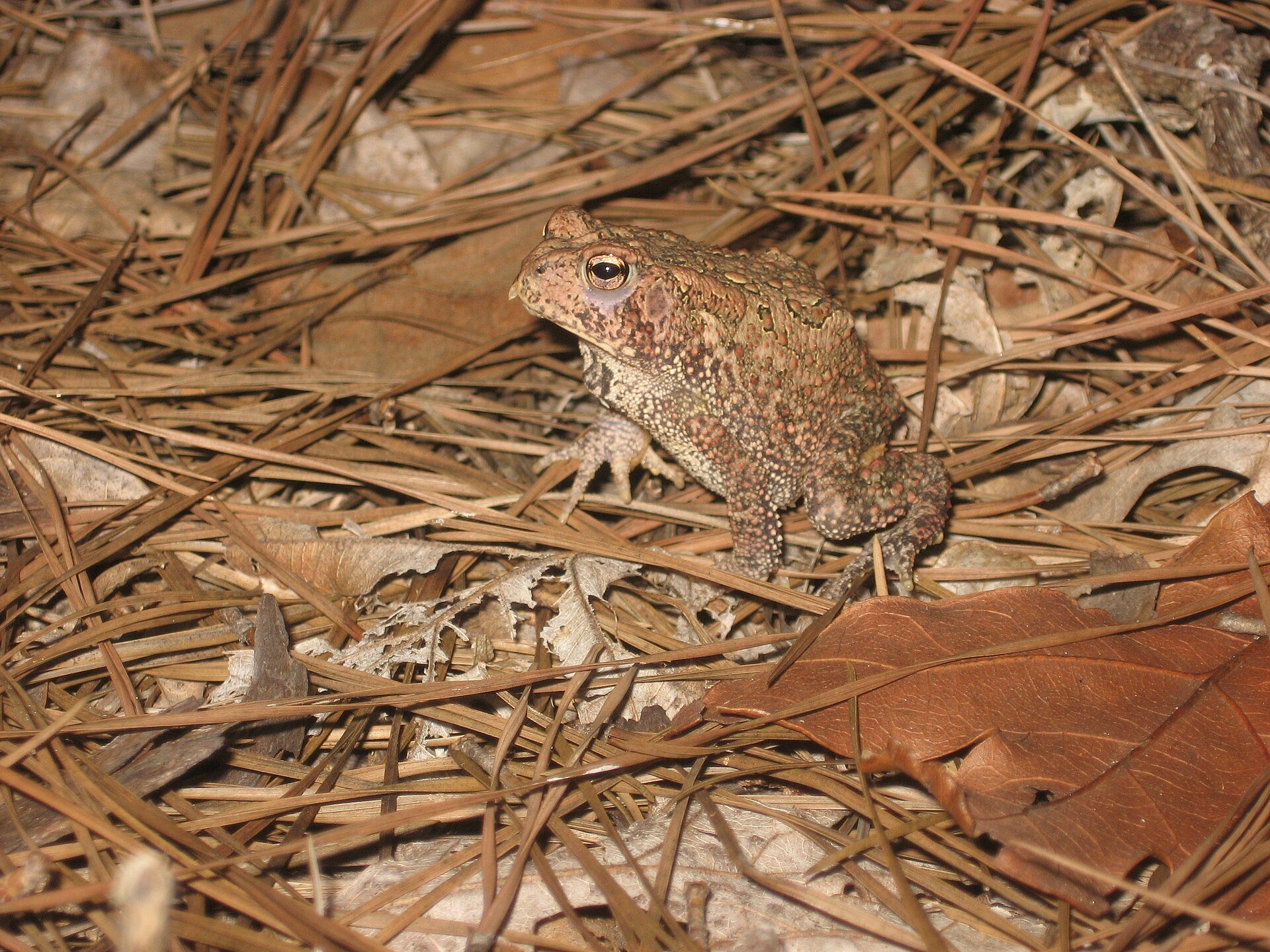
A Houston toad sitting on a bed of dry pine needles, showing its warty brown skin.

Endangered (IUCN and ESA)

Houston Toad

Anaxyrus houstonensis

One of the first animals ever protected under U.S. endangered species law, now found in only a few central Texas counties.

Region:
Southeast-central Texas
Principal threat:
Loss of deep-sand woodland and breeding pools
View full profile →
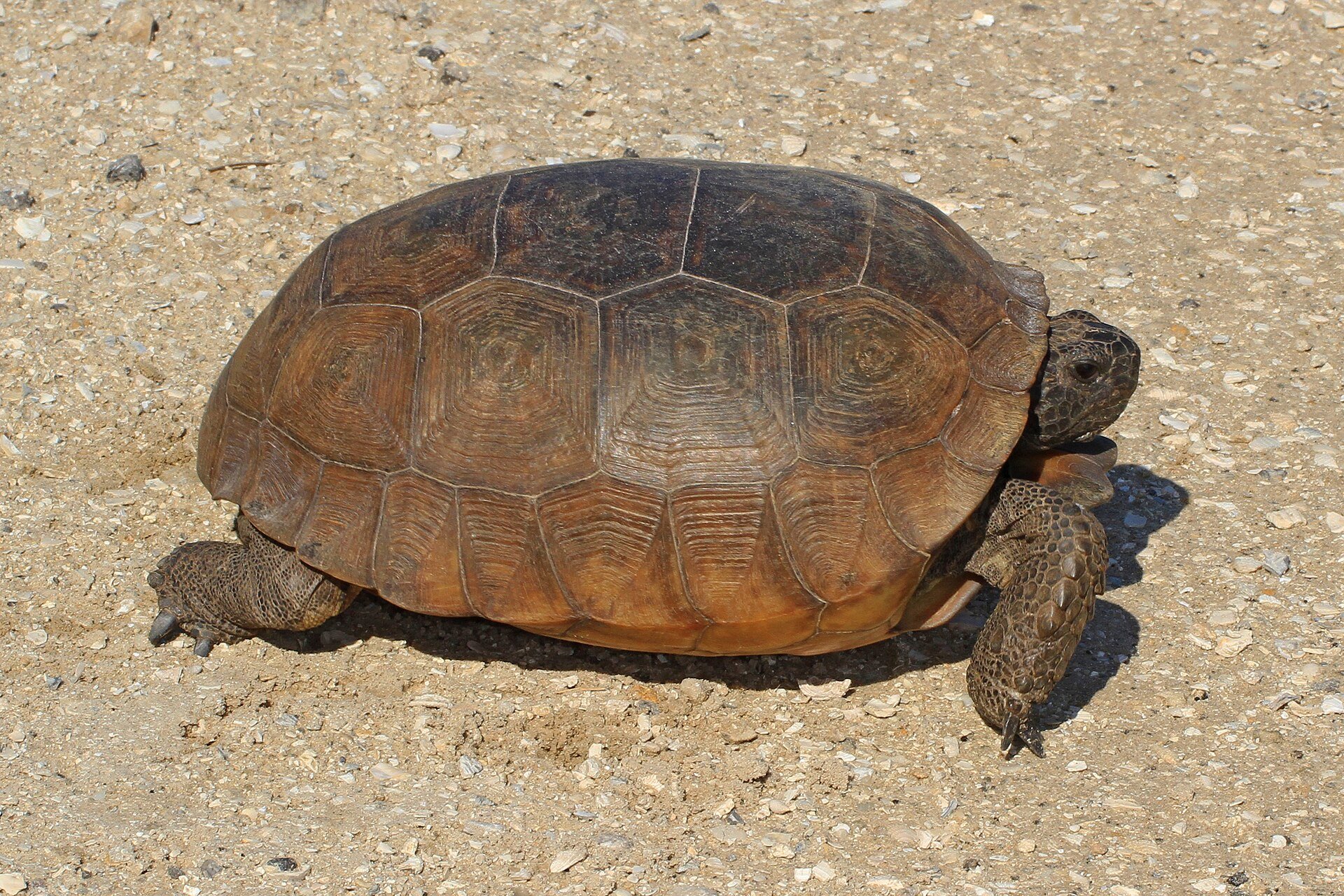
A gopher tortoise walking on bare sand, showing its flattened shell and heavy front legs.

Vulnerable (IUCN); Threatened (ESA in part of range)

Gopher Tortoise

Gopherus polyphemus

A keystone burrowing tortoise of southeastern pine uplands whose burrows shelter hundreds of other species.

Region:
Southeastern United States
Principal threat:
Development of sandhill and pine upland habitat
View full profile →
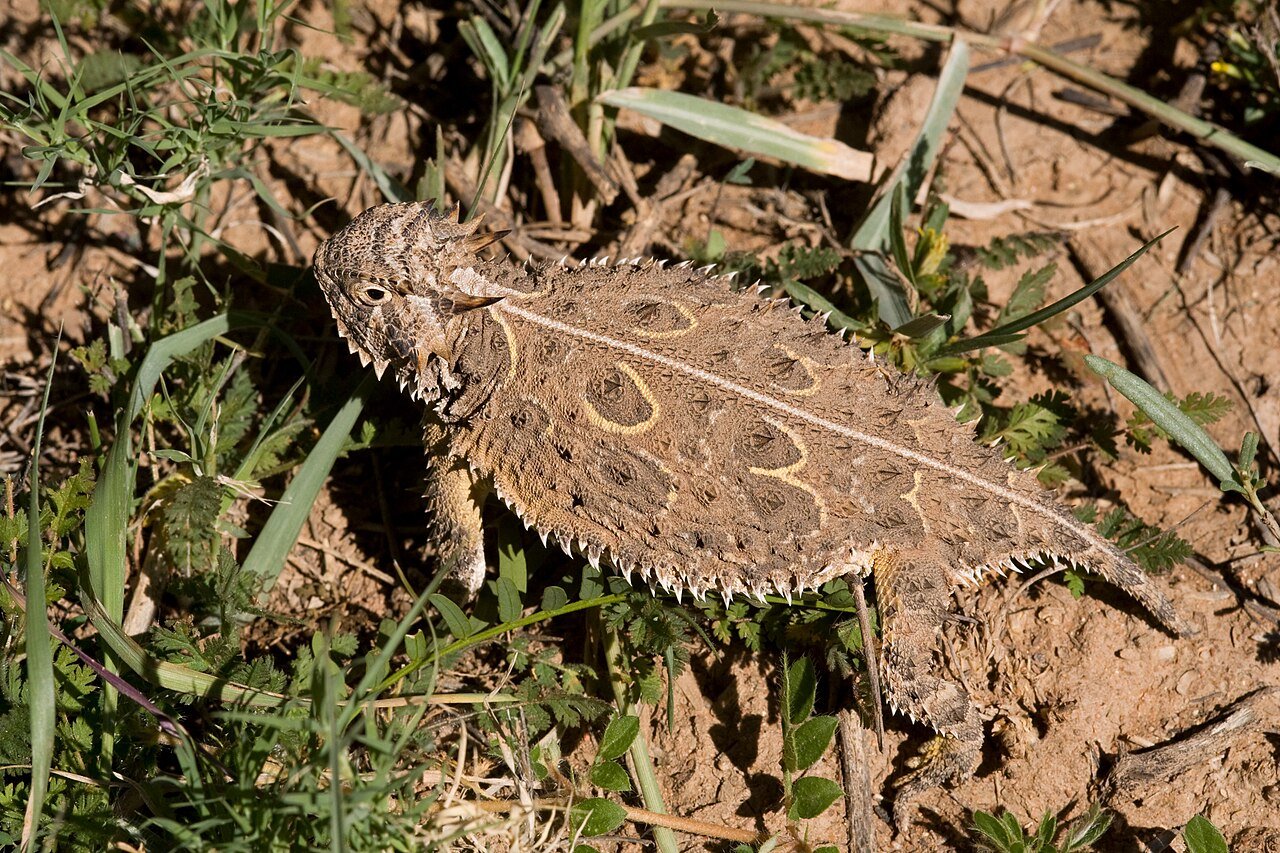
A Texas horned lizard on rocky soil, showing its crown of horns and flattened spiny body.

Least Concern (IUCN); Threatened (Texas state listed)

Texas Horned Lizard

Phrynosoma cornutum

The Texas state reptile, once common in yards and schoolyards and now largely gone from the eastern half of the state.

Region:
Texas, the southern plains, and northern Mexico
Principal threat:
Loss of harvester ants to fire ants and pesticides
View full profile →
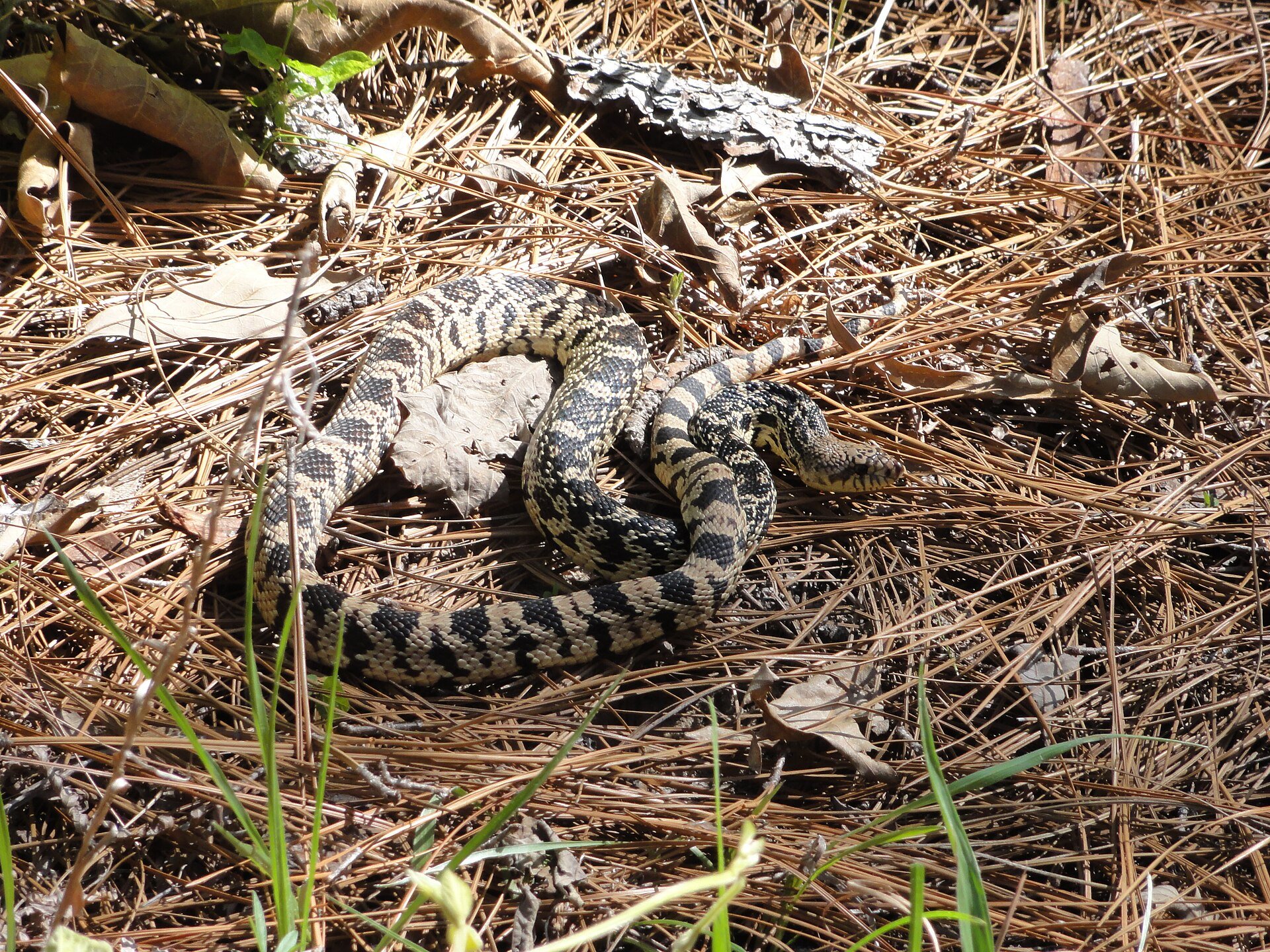
A Louisiana pinesnake with dark blotches on a tan body coiled among pine needles.

Endangered (IUCN) / Threatened (ESA)

Louisiana Pinesnake

Pituophis ruthveni

One of the rarest snakes in North America, dependent on longleaf pine savanna and the pocket gophers that dig its shelter.

Region:
West-central Louisiana and east Texas
Principal threat:
Loss of longleaf pine savanna and pocket gophers
View full profile →
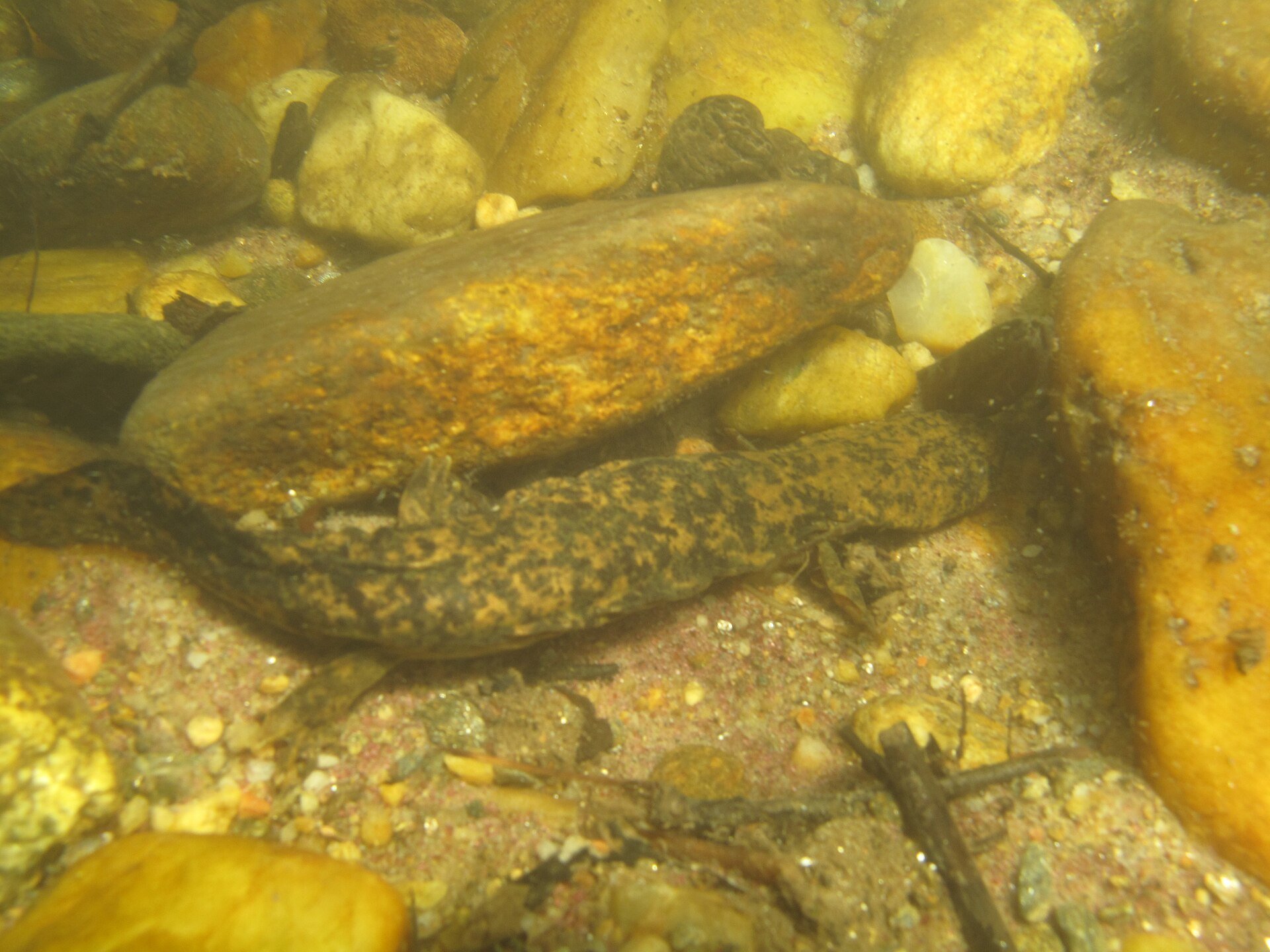
An eastern hellbender lying among stream cobbles underwater, showing its flattened body and wrinkled skin.

Vulnerable (IUCN); ESA listing proposed for the eastern subspecies

Eastern Hellbender

Cryptobranchus alleganiensis alleganiensis

North America's largest salamander, breathing through its skin in fast, clean streams and disappearing as those streams fill with silt.

Region:
Appalachian and Ozark streams
Principal threat:
Sedimentation and degradation of stream habitat
View full profile →
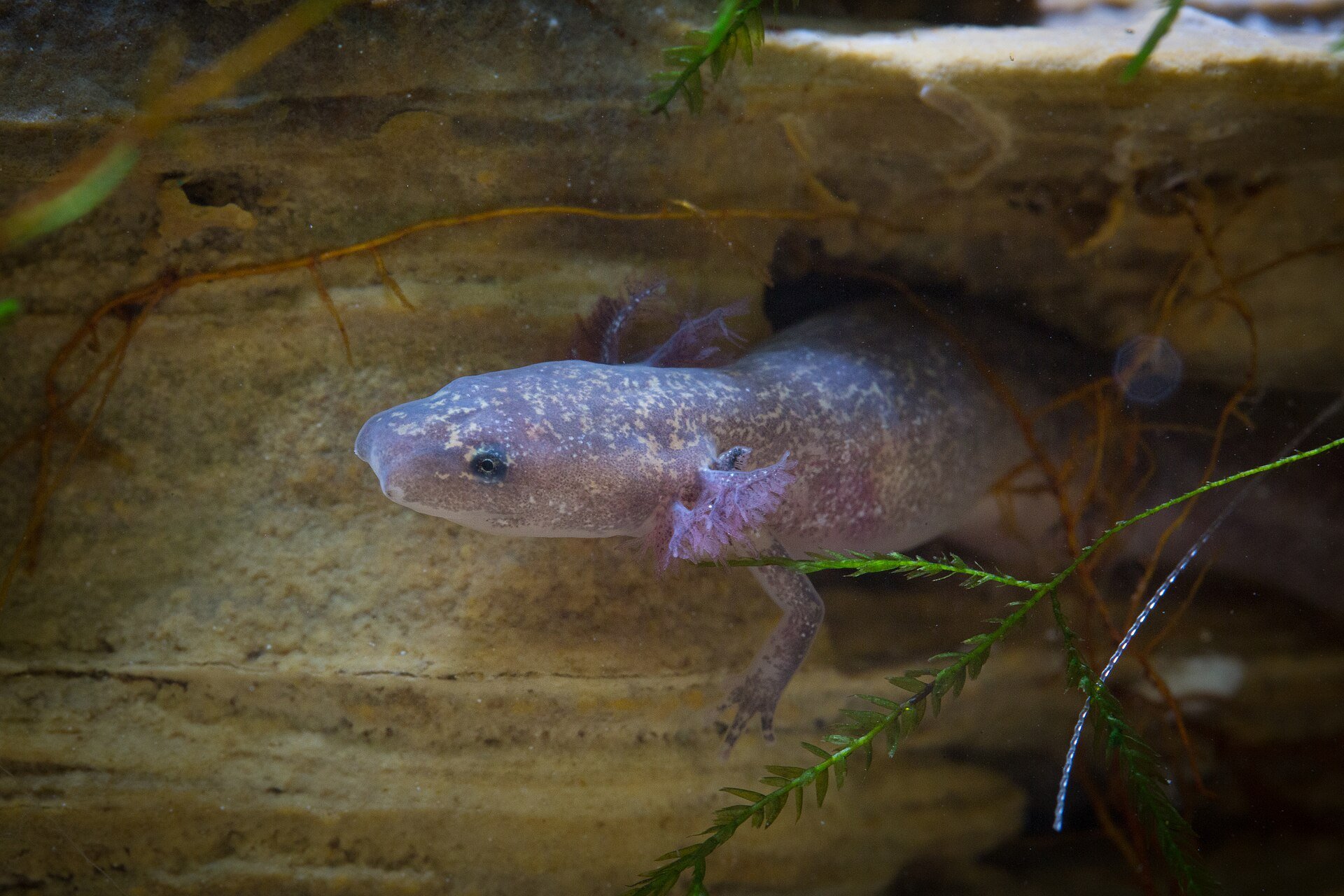
A pale Barton Springs salamander underwater on limestone, showing its external gills.

Vulnerable (IUCN) / Endangered (ESA)

Barton Springs Salamander

Eurycea sosorum

A gilled salamander that lives only in the spring outlets at Barton Springs in Austin, Texas, and nowhere else on earth.

Region:
Barton Springs, Austin, Texas
Principal threat:
Urban runoff and reduced spring flow
View full profile →
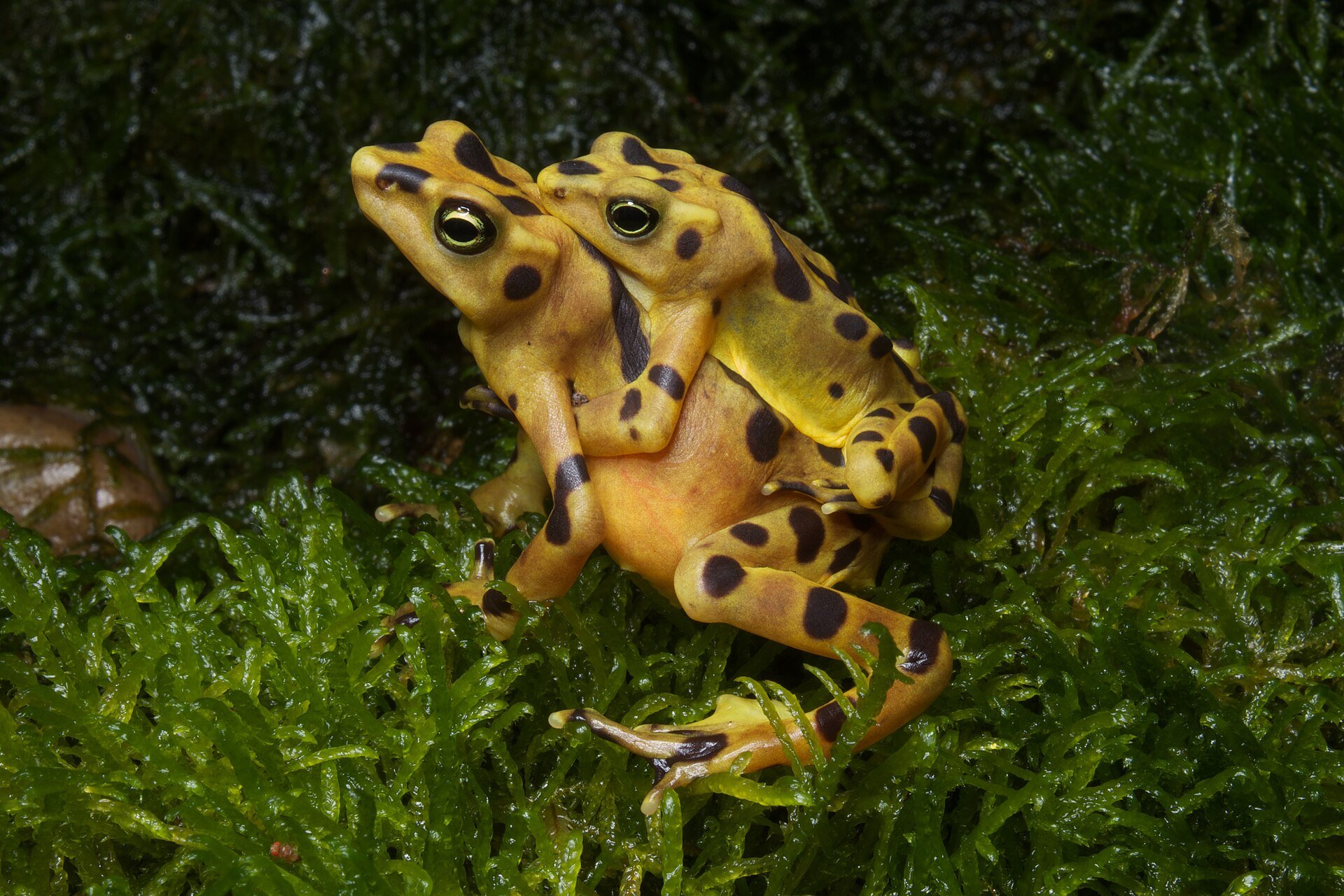
Two bright yellow Panamanian golden frogs with black markings, one clasping the other, on green moss.

Critically Endangered (IUCN), possibly extinct in the wild

Panamanian Golden Frog

Atelopus zeteki

Panama's national symbol, possibly extinct in the wild since the late 2000s and surviving in a network of captive assurance colonies.

Region:
Central Panama
Principal threat:
Chytrid fungus disease
View full profile →
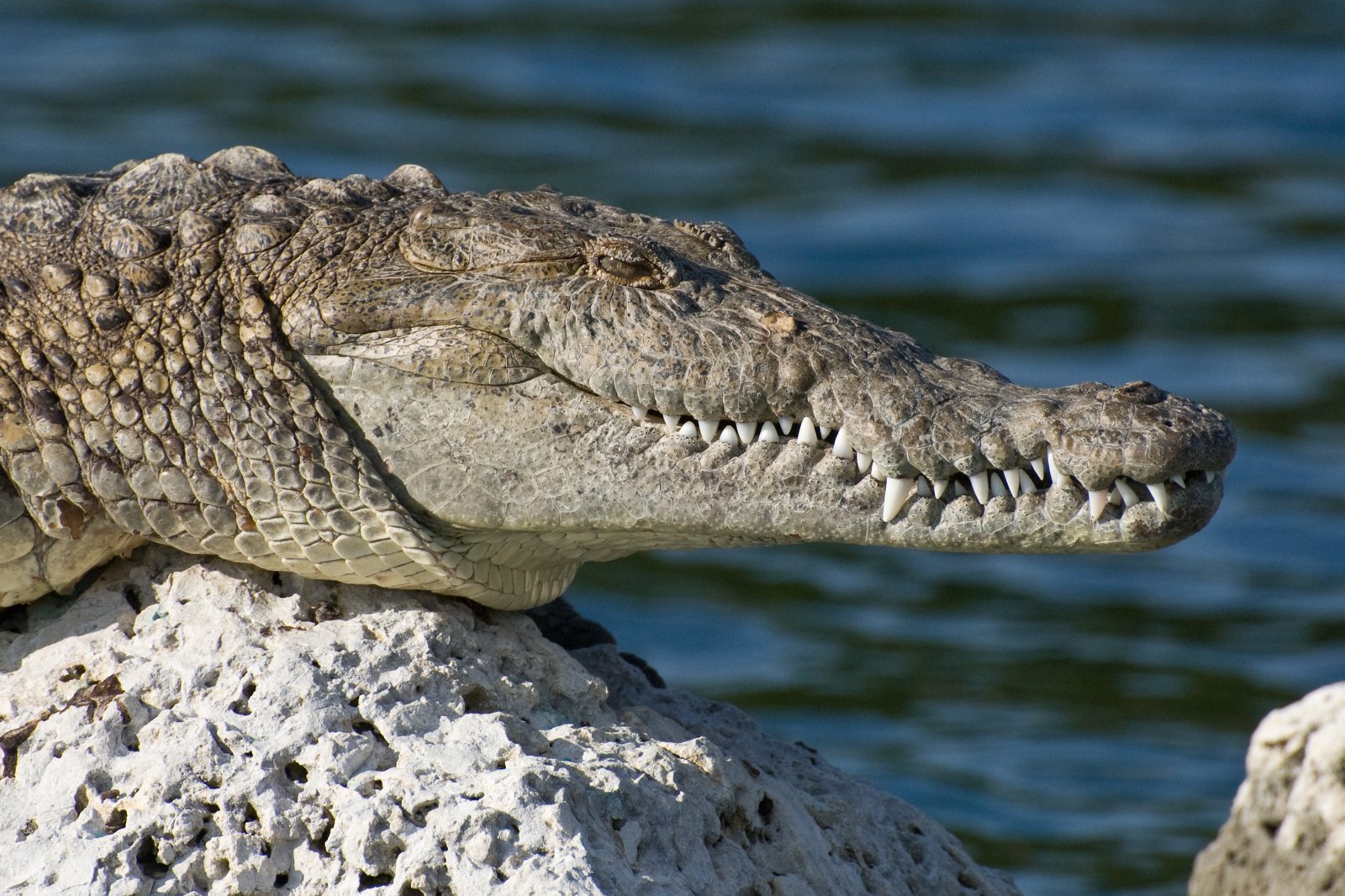
An American crocodile resting on pale rocks at the water's edge, its long narrow snout and teeth visible.

Vulnerable (IUCN) / Threatened (ESA, Florida population)

American Crocodile

Crocodylus acutus

A coastal crocodile of mangrove estuaries whose Florida population recovered enough to be downlisted from endangered to threatened in 2007.

Region:
South Florida, Caribbean, Central and South America
Principal threat:
Coastal development and altered freshwater flow
View full profile →