Species Focus Area

Plants

Plants are the base of nearly every food web. When a native plant community disappears, the animals tied to it follow quietly.

Why this group matters

Plant conservation is chronically underfunded compared with animals, yet almost every animal recovery depends on a plant community being present first.

Common threats

  • · Land conversion and development
  • · Invasive species competition
  • · Overgrazing and altered fire cycles
  • · Illegal collection of rare specimens

How people can help

  • · Use native plants in gardens and landscaping
  • · Remove invasive plants responsibly
  • · Never collect rare plants from the wild

Ten Plants of Exceptional Conservation Concern

These ten are not a scientific ranking. They were selected for conservation urgency, teaching value, and regional relevance, and each one has a complete, sourced profile.

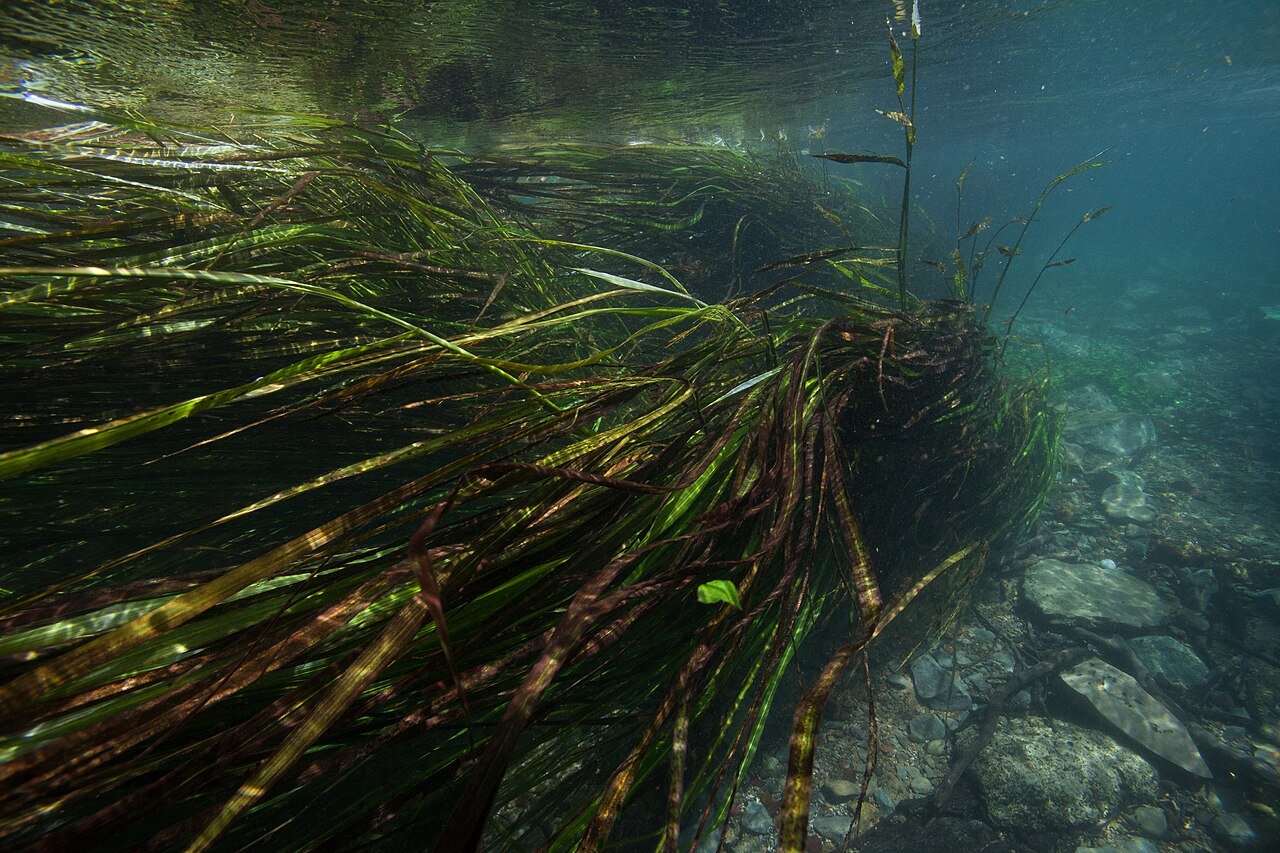
Long green blades of Texas wild rice streaming underwater in a clear spring-fed river.

Critically Endangered (IUCN) / Endangered (ESA)

Texas Wild Rice

Zizania texana

An aquatic grass that grows in the wild in exactly one place on earth: the upper two miles of the San Marcos River in Texas.

Region:
Upper San Marcos River, Texas
Principal threat:
Spring flow loss, recreation damage, and invasive plants
View full profile →
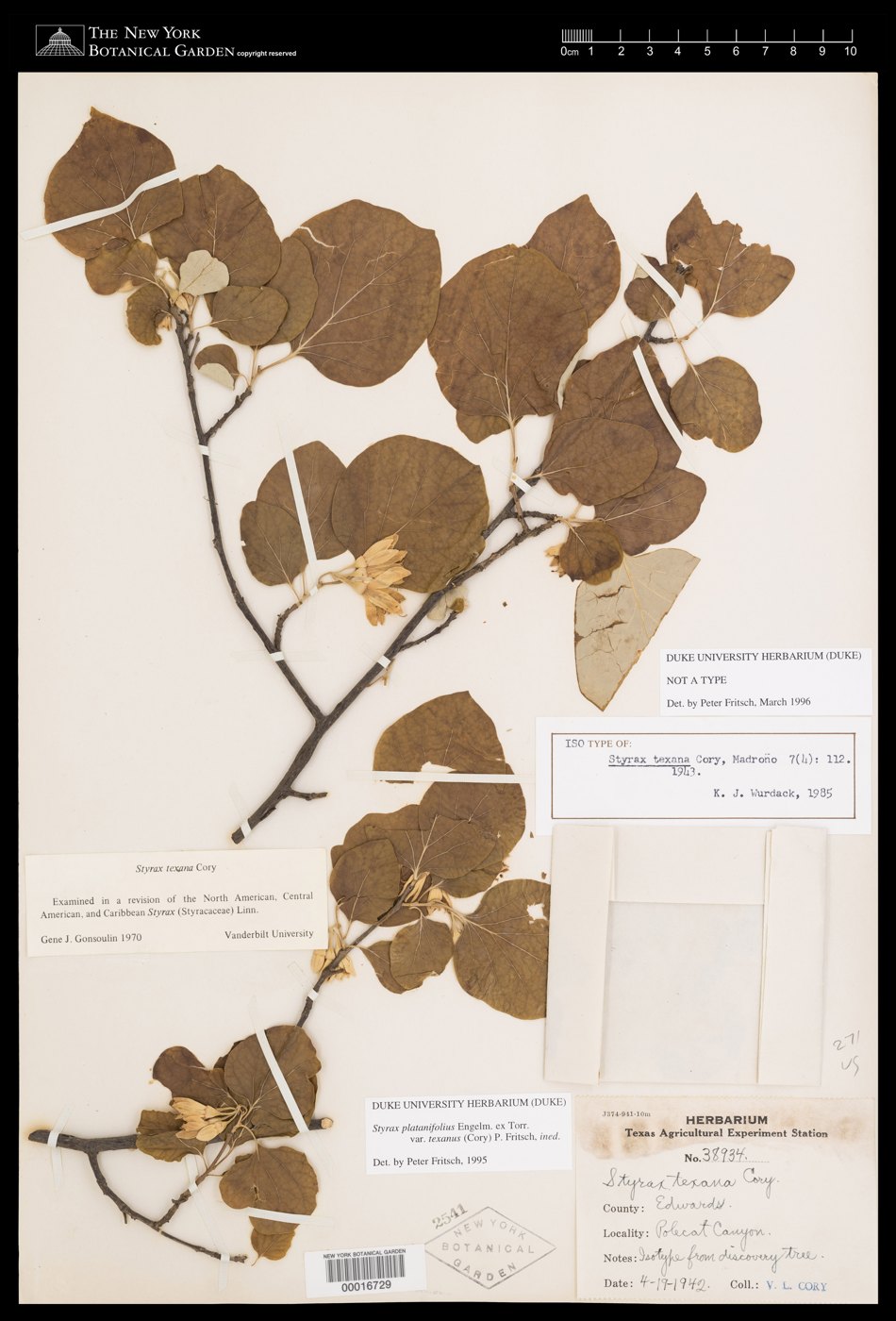
A pressed herbarium sheet showing a branch of Texas snowbells with round leaves and dried white bell-shaped flowers, mounted beside its collection labels.

Endangered (ESA)

Texas Snowbells

Styrax platanifolius ssp. texanus

A flowering shrub clinging to limestone canyon walls in the Texas Hill Country, surviving mainly where livestock and deer cannot reach it.

Region:
Edwards Plateau canyons, Texas
Principal threat:
Browsing by deer and livestock preventing regeneration
View full profile →
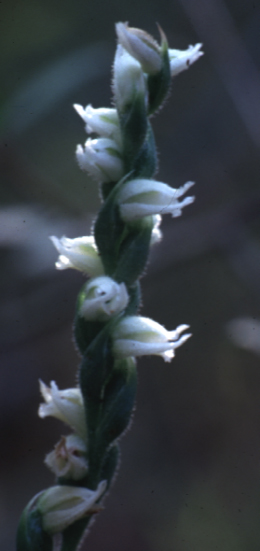
A slender orchid spike carrying small white flowers arranged in a spiral up the green stem.

Endangered (ESA)

Navasota Ladies'-tresses

Spiranthes parksii

A small terrestrial orchid known only from a handful of east-central Texas counties, easy to overlook and easy to lose.

Region:
Post Oak Savannah, east-central Texas
Principal threat:
Habitat conversion, reservoir flooding, and altered hydrology
View full profile →
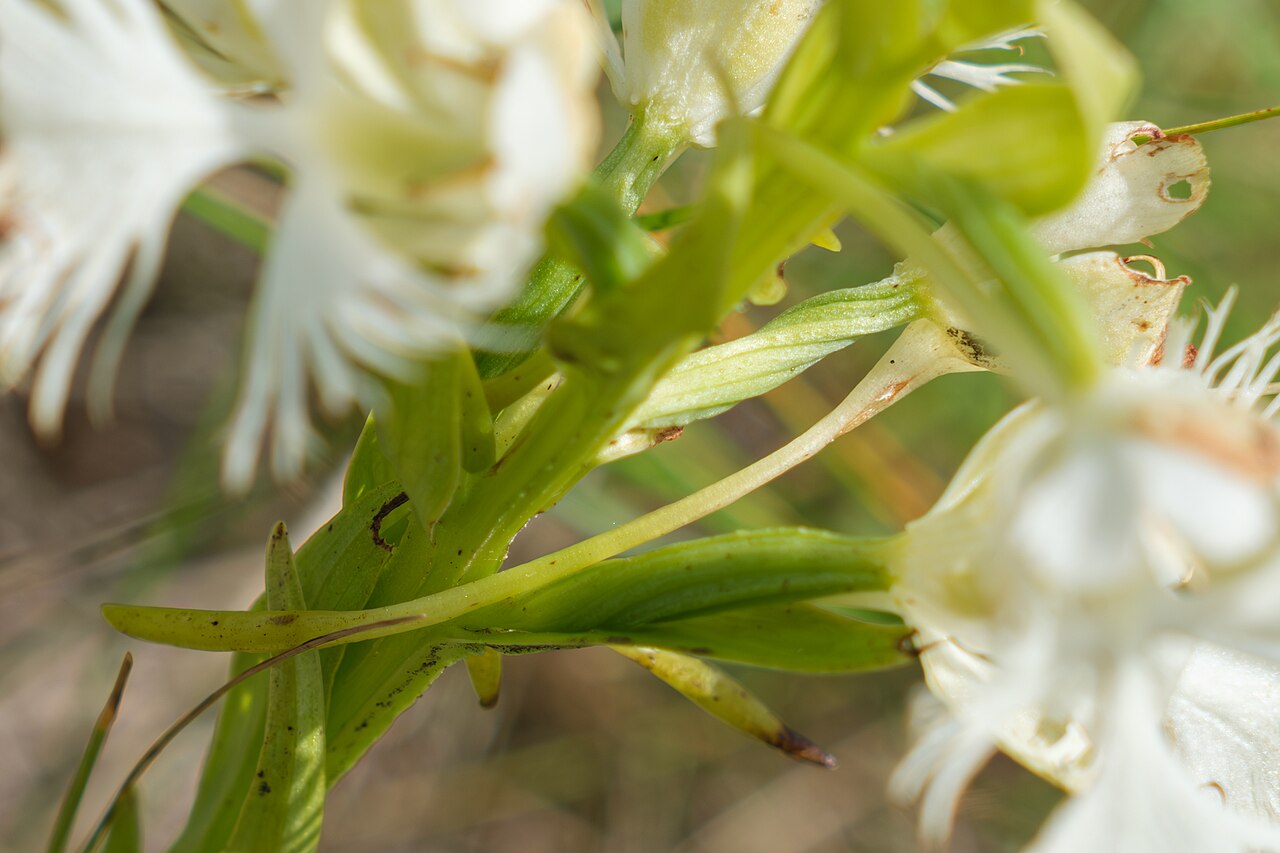
Close view of creamy-white orchid flowers with deeply fringed lower petals on a green prairie stem.

Threatened (ESA)

Western Prairie Fringed Orchid

Platanthera praeclara

A tallgrass prairie orchid pollinated only by night-flying hawkmoths, declining with the prairie it depends on.

Region:
Northern Great Plains and Canada
Principal threat:
Tallgrass prairie conversion and loss of hawkmoth pollinators
View full profile →
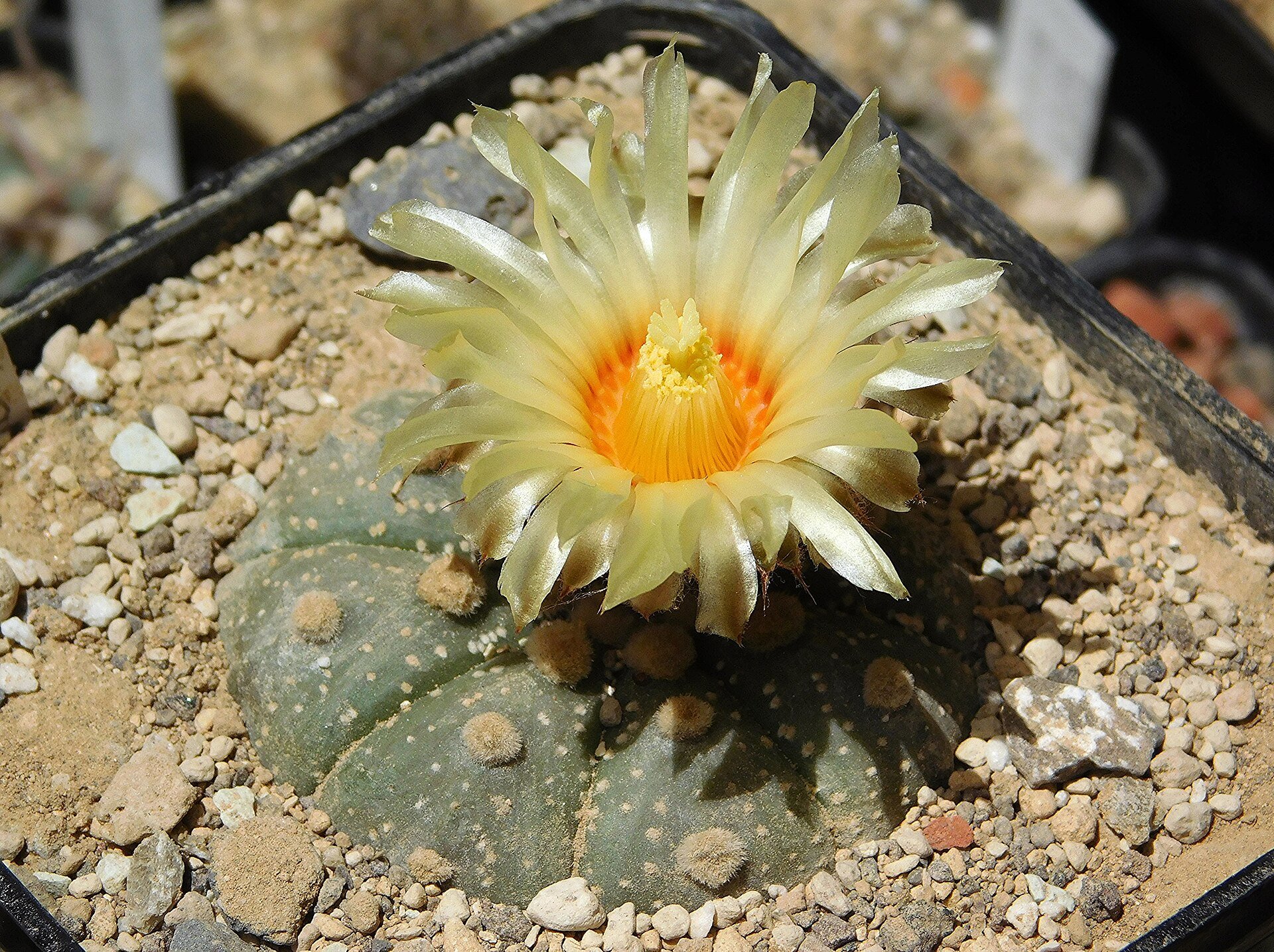
A star cactus, a flat round green cactus with white flecks, bearing a single pale yellow flower.

Vulnerable (IUCN) / Endangered (ESA)

Star Cactus

Astrophytum asterias

A spineless, disc-shaped cactus of south Texas thornscrub, reduced to a few sites and heavily targeted by illegal collectors.

Region:
South Texas and northeastern Mexico
Principal threat:
Illegal collection and thornscrub habitat loss
View full profile →
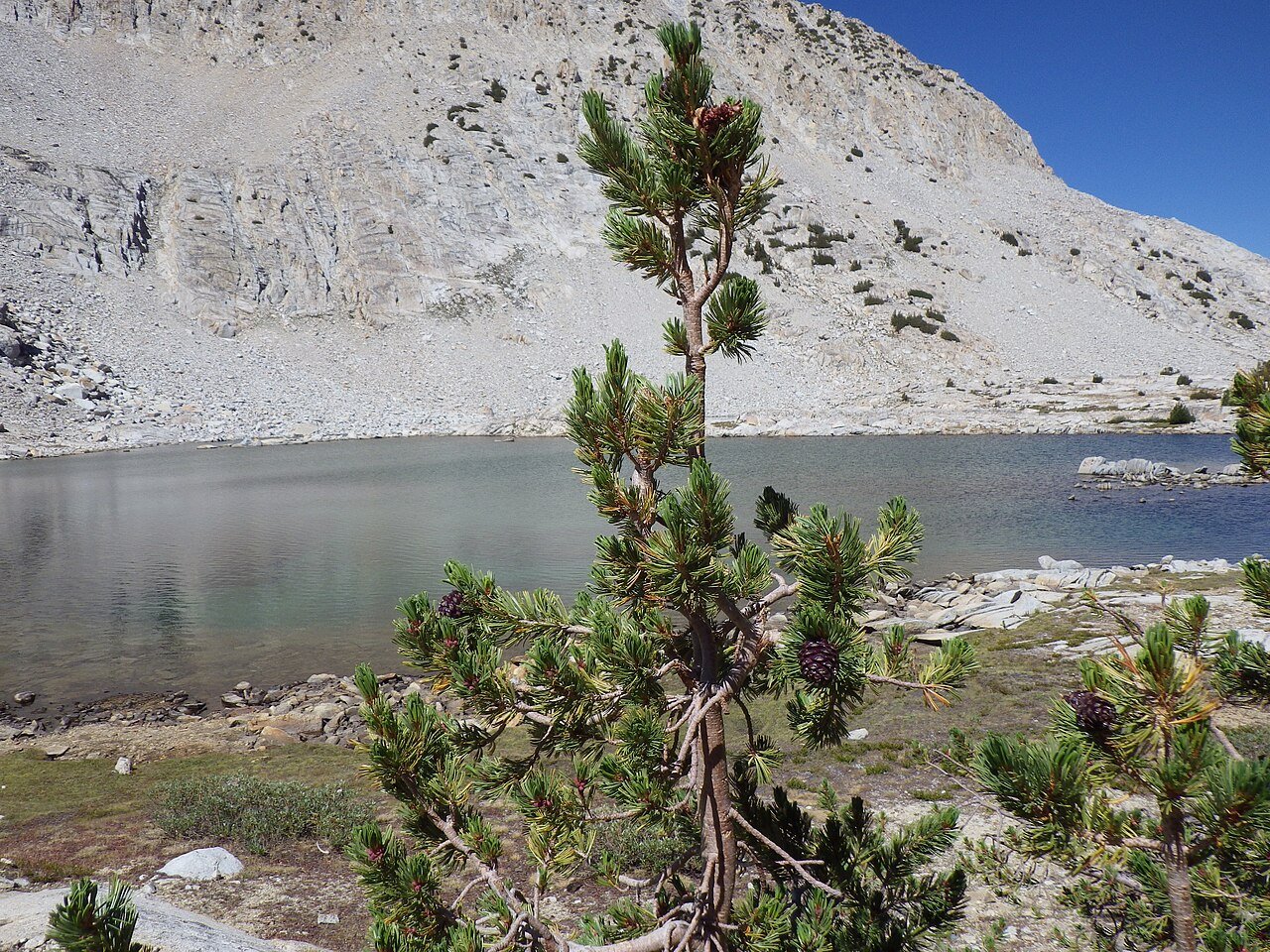
A whitebark pine growing beside a high mountain lake below bare rocky slopes.

Endangered (IUCN) / Threatened (ESA)

Whitebark Pine

Pinus albicaulis

A high-elevation tree that holds mountain snowpack, feeds grizzly bears, and depends on a single bird species to plant its seeds.

Region:
Western North American mountains
Principal threat:
White pine blister rust and mountain pine beetle
View full profile →
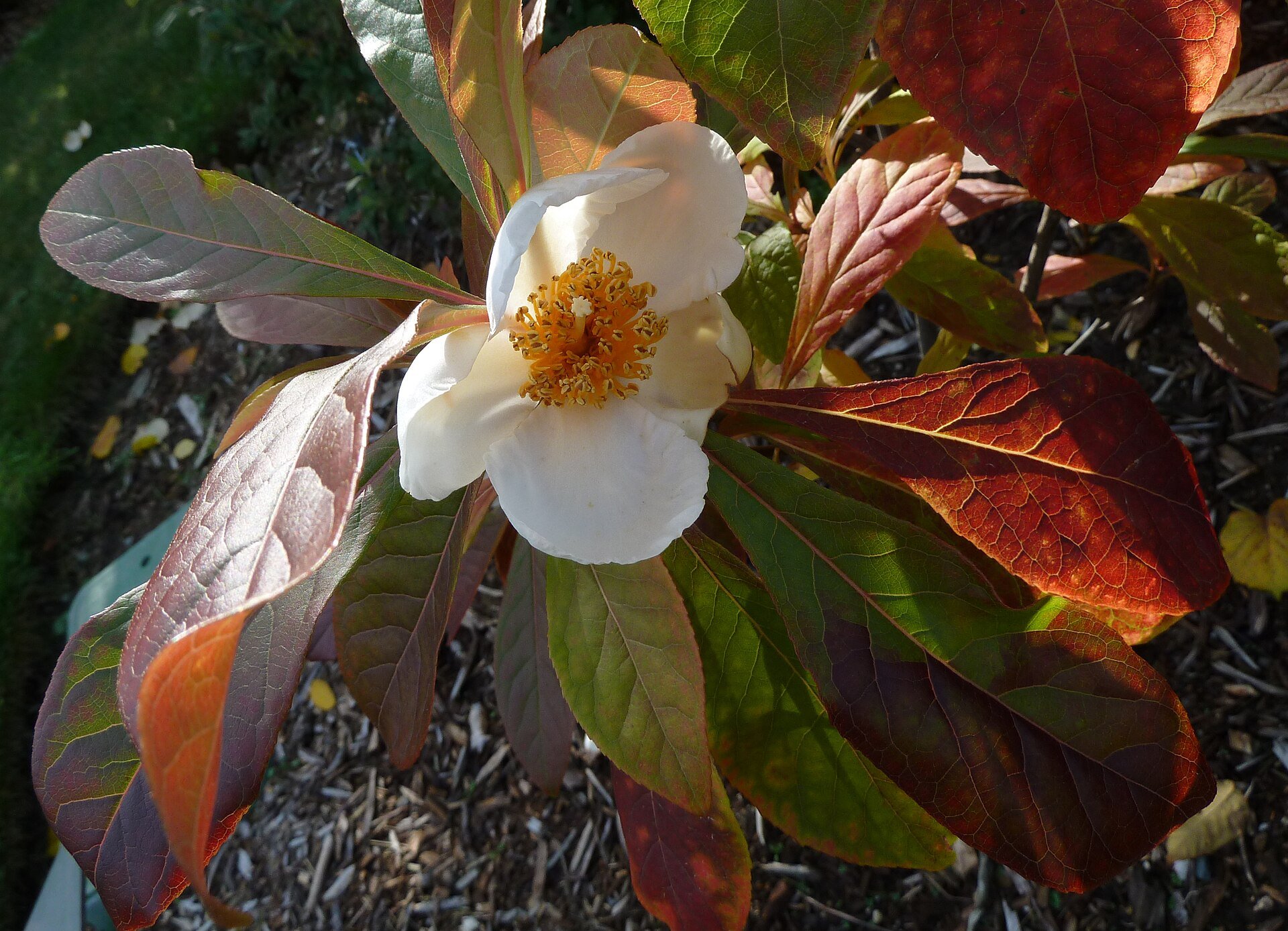
A white Franklin tree flower with a yellow centre, surrounded by glossy leaves turning red.

Extinct in the Wild (IUCN)

Franklin Tree

Franklinia alatamaha

A flowering tree extinct in the wild since the early 1800s, surviving only because two botanists collected seed before it disappeared.

Region:
Formerly the Altamaha River, Georgia
Principal threat:
Already extinct in the wild; cultivated plants face disease and narrow genetics
View full profile →
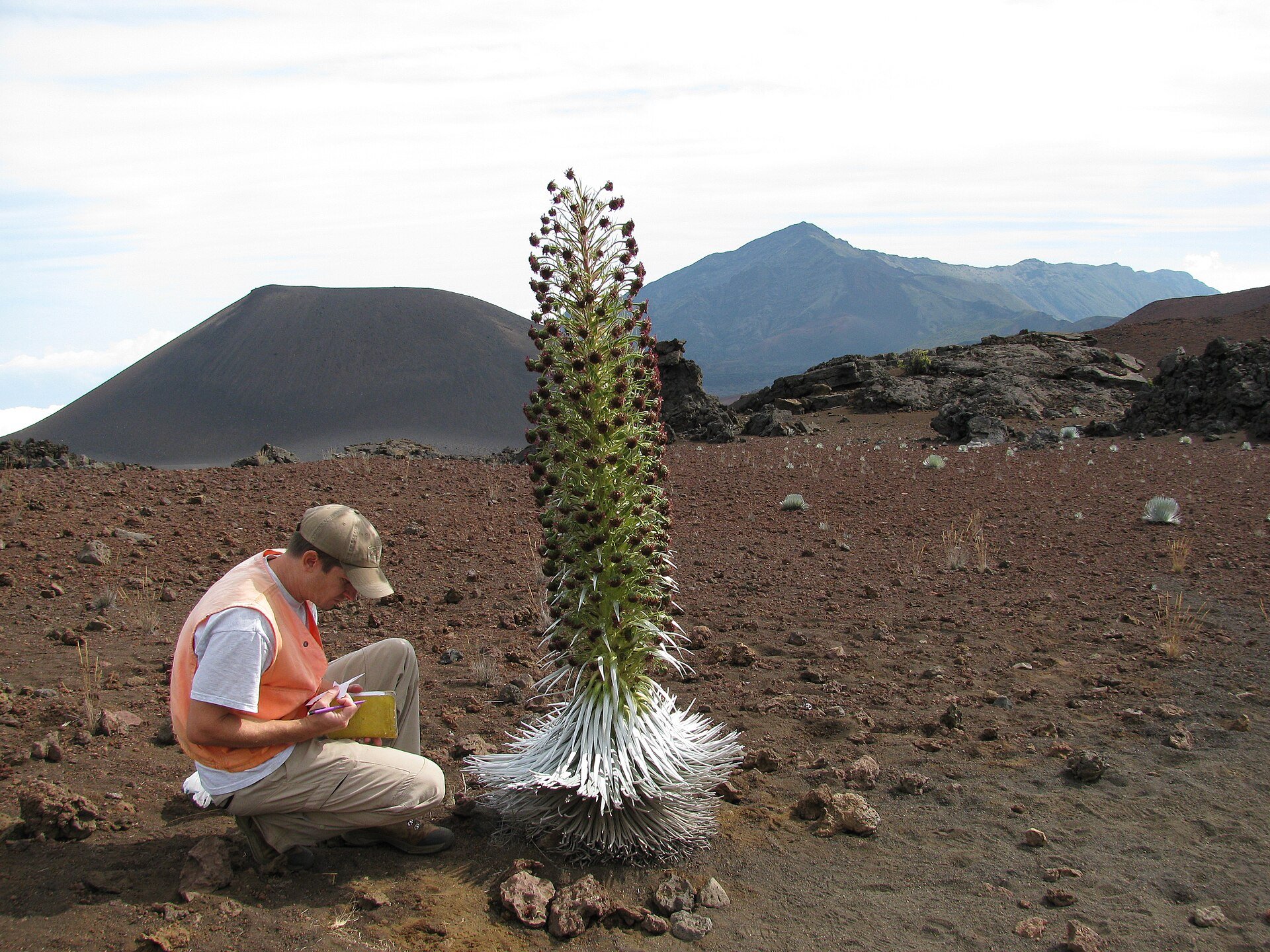
A flowering Haleakalā silversword with a tall spike rising from a rosette of silver leaves, a researcher kneeling beside it.

Threatened (ESA)

Haleakalā Silversword

Argyroxiphium sandwicense subsp. macrocephalum

A silver rosette plant that grows for decades on a Hawaiian volcano, flowers spectacularly once, and dies.

Region:
Haleakalā, Maui, Hawaii
Principal threat:
Climate-driven drying, trampling, and invasive species
View full profile →
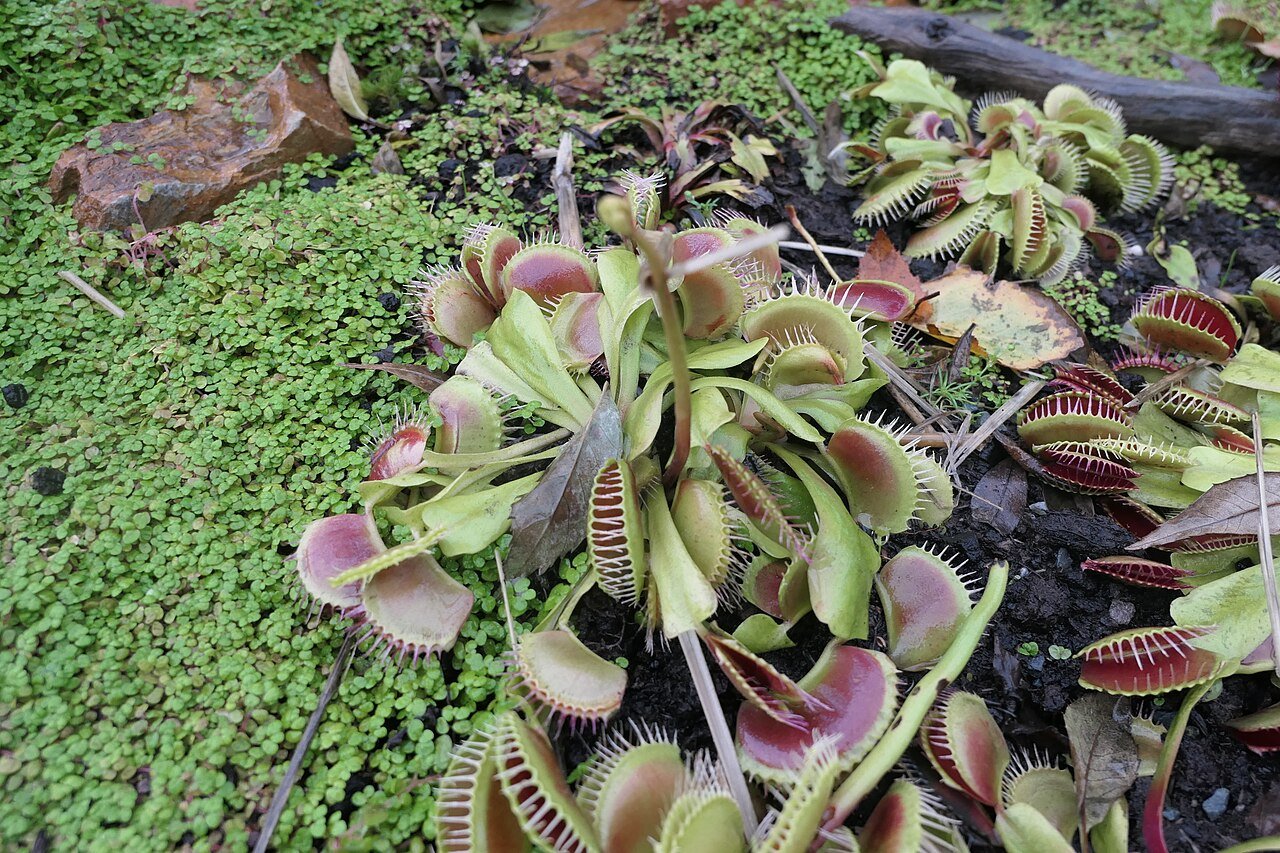
A cluster of Venus flytrap plants with open red-lined traps.

Vulnerable (IUCN)

Venus Flytrap

Dionaea muscipula

The world's most famous carnivorous plant grows wild only within about a 75-mile radius of Wilmington, North Carolina.

Region:
Coastal plain of North and South Carolina
Principal threat:
Habitat loss, fire suppression, and poaching
View full profile →
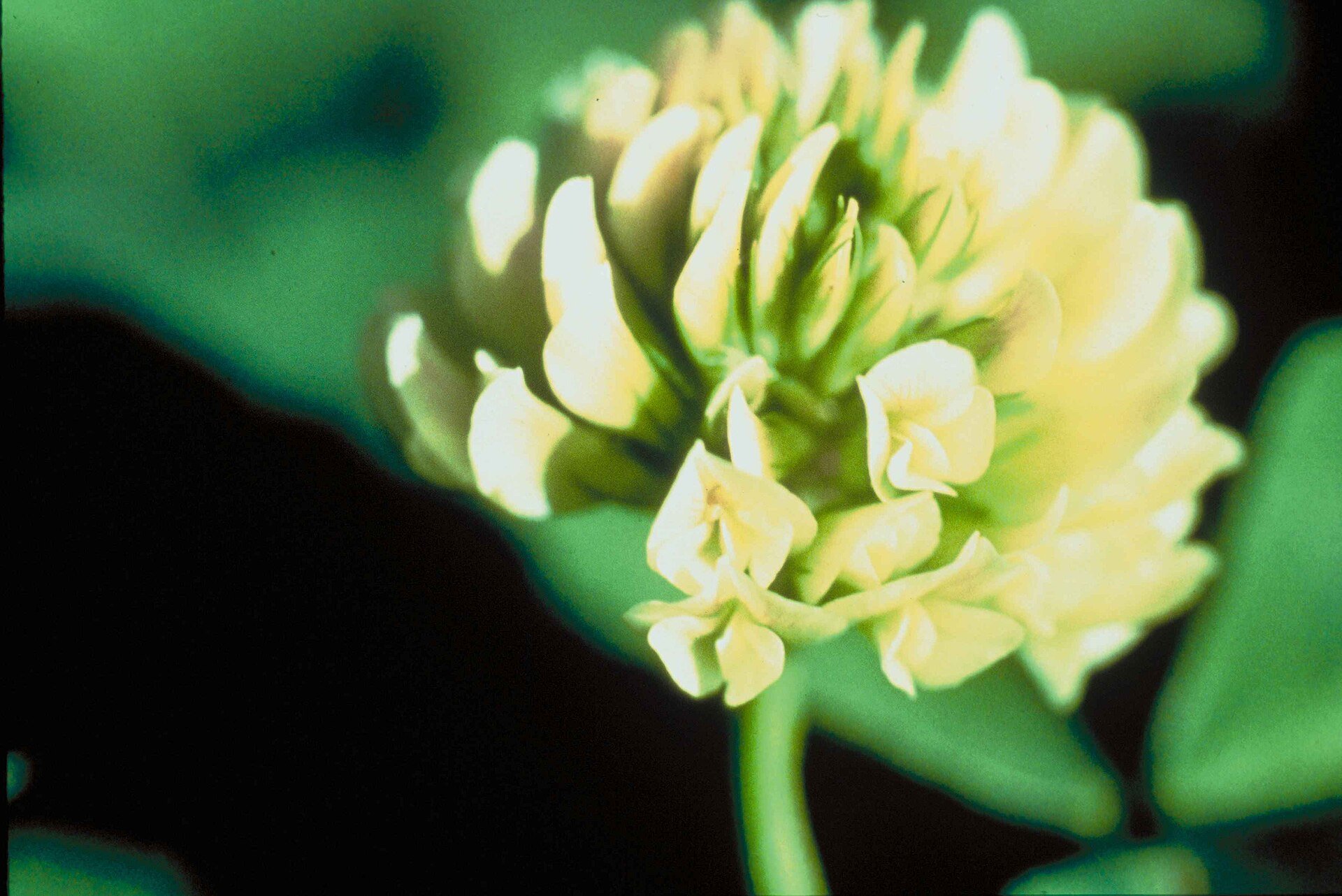
A pale cream-and-green running buffalo clover flower head above broad leaves.

Delisted from the ESA following recovery

Running Buffalo Clover

Trifolium stoloniferum

A clover that evolved alongside bison herds, nearly vanished when they did, and has since recovered enough to be removed from the endangered species list.

Region:
Ohio Valley and central Appalachian states
Principal threat:
Loss of moderate disturbance and competition from invasive plants
View full profile →