Species Focus Area

Pollinators

Bees, butterflies, moths, beetles, and some birds and bats carry the reproduction of wild plants and much of our food supply.

Why this group matters

Pollinator decline is one of the few conservation problems ordinary households can measurably improve on their own property within a single season.

Common threats

  • · Loss of flowering habitat and larval host plants
  • · Pesticide exposure, especially systemic insecticides
  • · Mowing during bloom and roadside clearing
  • · Disease spillover from managed bees

How people can help

  • · Plant regionally native flowering species and host plants
  • · Mow less and later; leave stems and bare ground for nesting
  • · Skip broad-spectrum pesticides

Ten Pollinators of Exceptional Conservation Concern

These ten are not a scientific ranking. They were selected for conservation urgency, teaching value, and regional relevance, and each one has a complete, sourced profile.

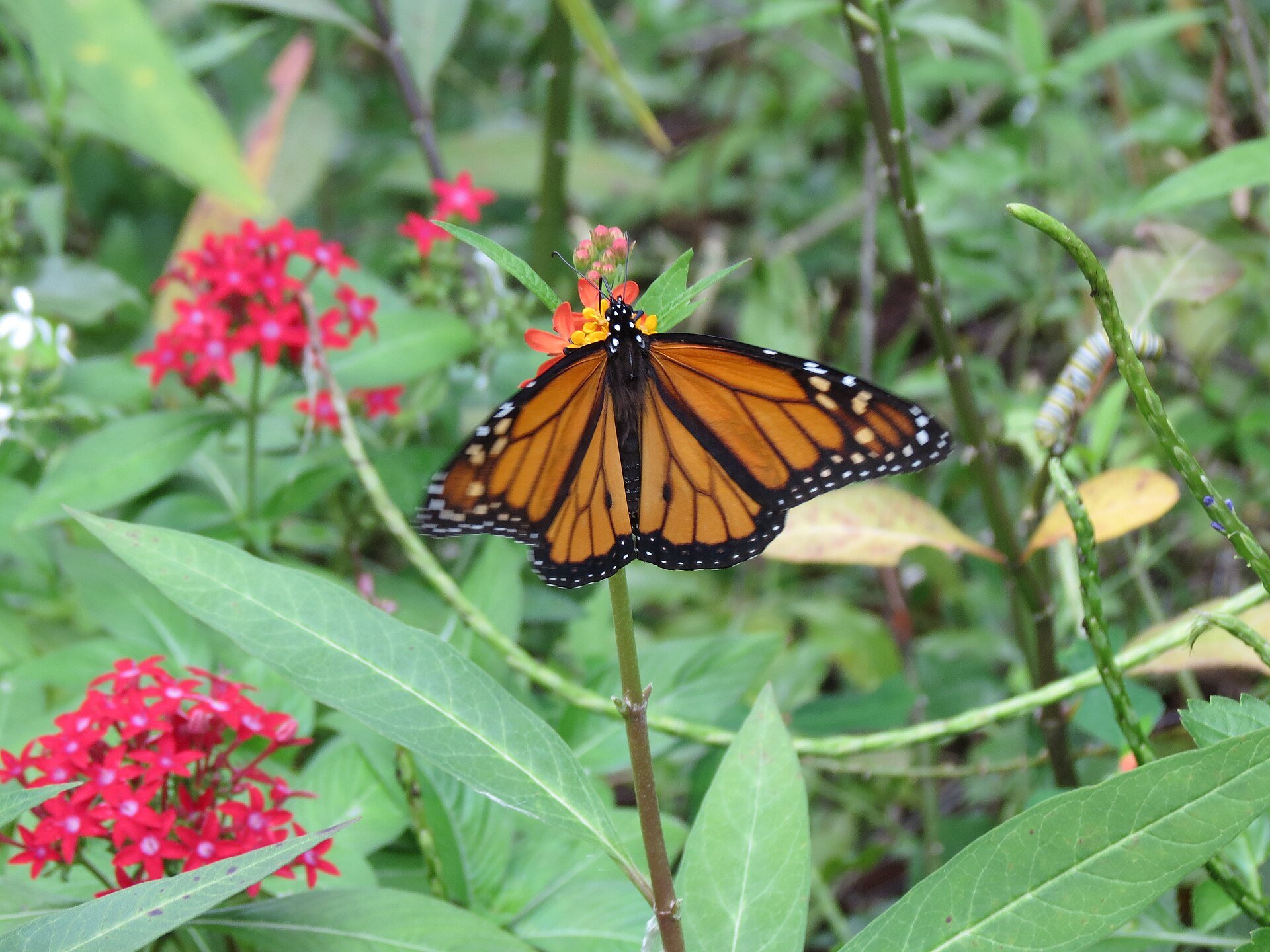
A monarch butterfly with orange and black wings feeding on red flowers.

Vulnerable (IUCN) / Proposed Threatened (ESA)

Monarch Butterfly

Danaus plexippus

A butterfly whose entire eastern population funnels through Texas twice a year on a multi-generation journey between Canada and central Mexico.

Region:
North America, wintering in Mexico and coastal California
Principal threat:
Loss of milkweed and overwintering habitat
View full profile →
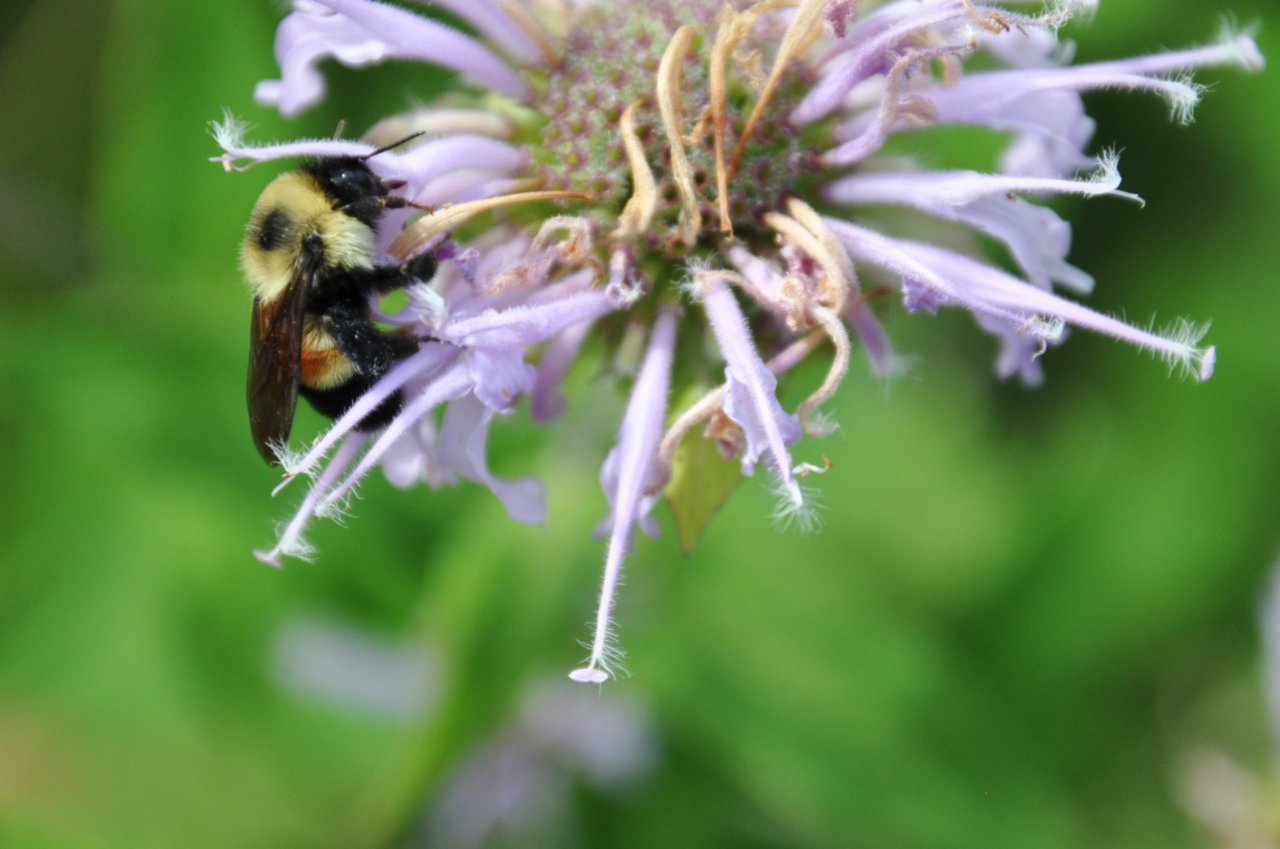
A rusty patched bumble bee feeding on a pale purple wild bergamot flower.

Critically Endangered (IUCN) / Endangered (ESA)

Rusty Patched Bumble Bee

Bombus affinis

The first bumble bee protected under the U.S. Endangered Species Act, gone from about 87 percent of its historic range in roughly two decades.

Region:
Upper Midwest and northeastern United States
Principal threat:
Disease spillover from commercial bees and pesticides
View full profile →
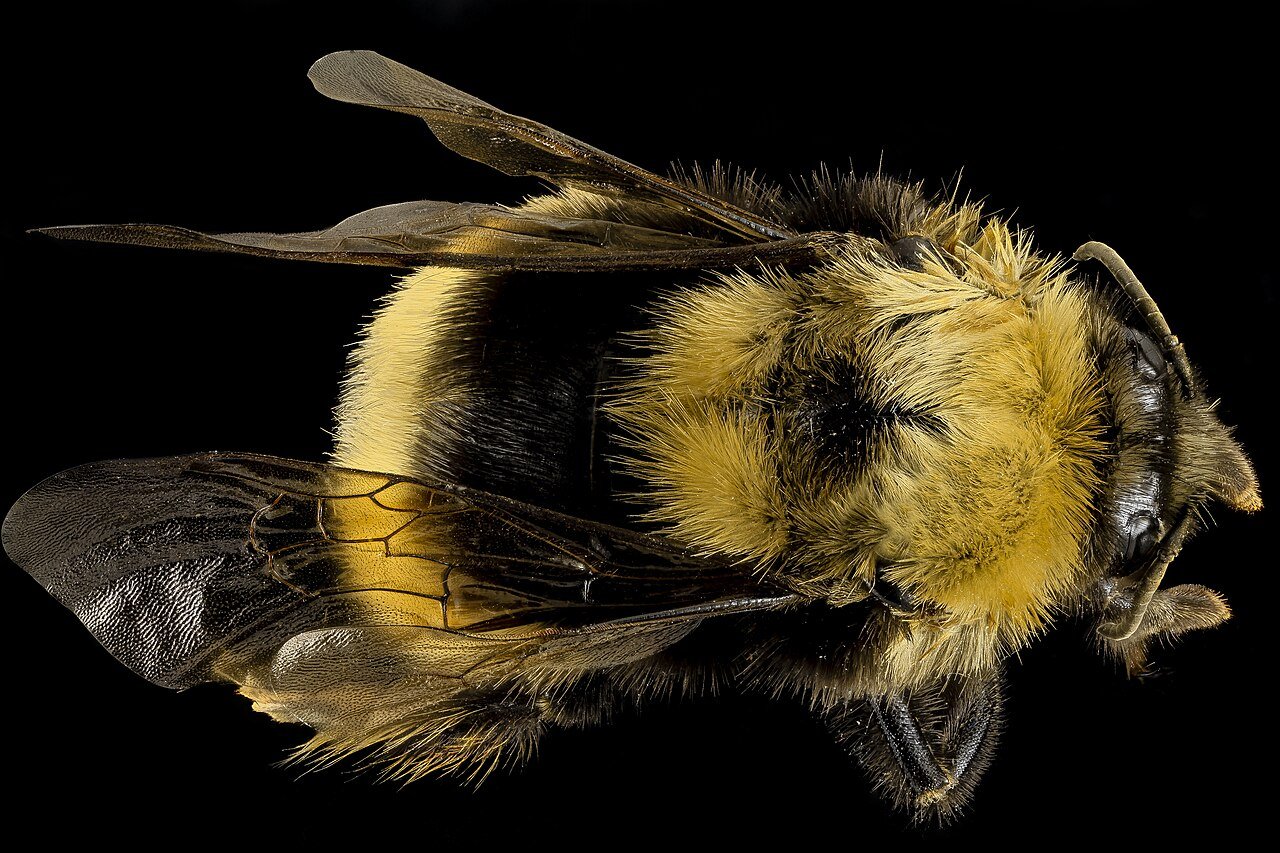
A pinned western bumble bee specimen photographed from above, showing yellow and black banding.

Vulnerable (IUCN); ESA listing under review

Western Bumble Bee

Bombus occidentalis

Once among the most common bumble bees in the western United States, now largely absent from the Pacific coast portion of its range.

Region:
Western United States and western Canada
Principal threat:
Pathogen spillover and habitat loss
View full profile →
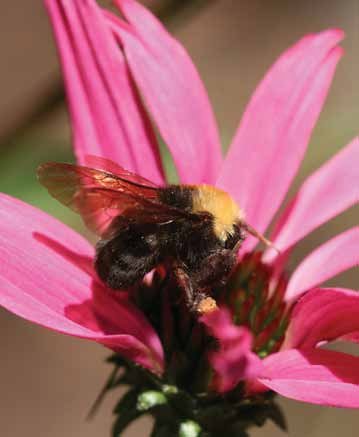
A Franklin's bumble bee with a yellow band on its thorax feeding on a pink flower.

Critically Endangered (IUCN) / Endangered (ESA)

Franklin's Bumble Bee

Bombus franklini

A bumble bee with one of the smallest known ranges of any bee, not confirmed alive since 2006 despite intensive searching.

Region:
Southern Oregon and northern California
Principal threat:
Disease and an extremely small natural range
View full profile →
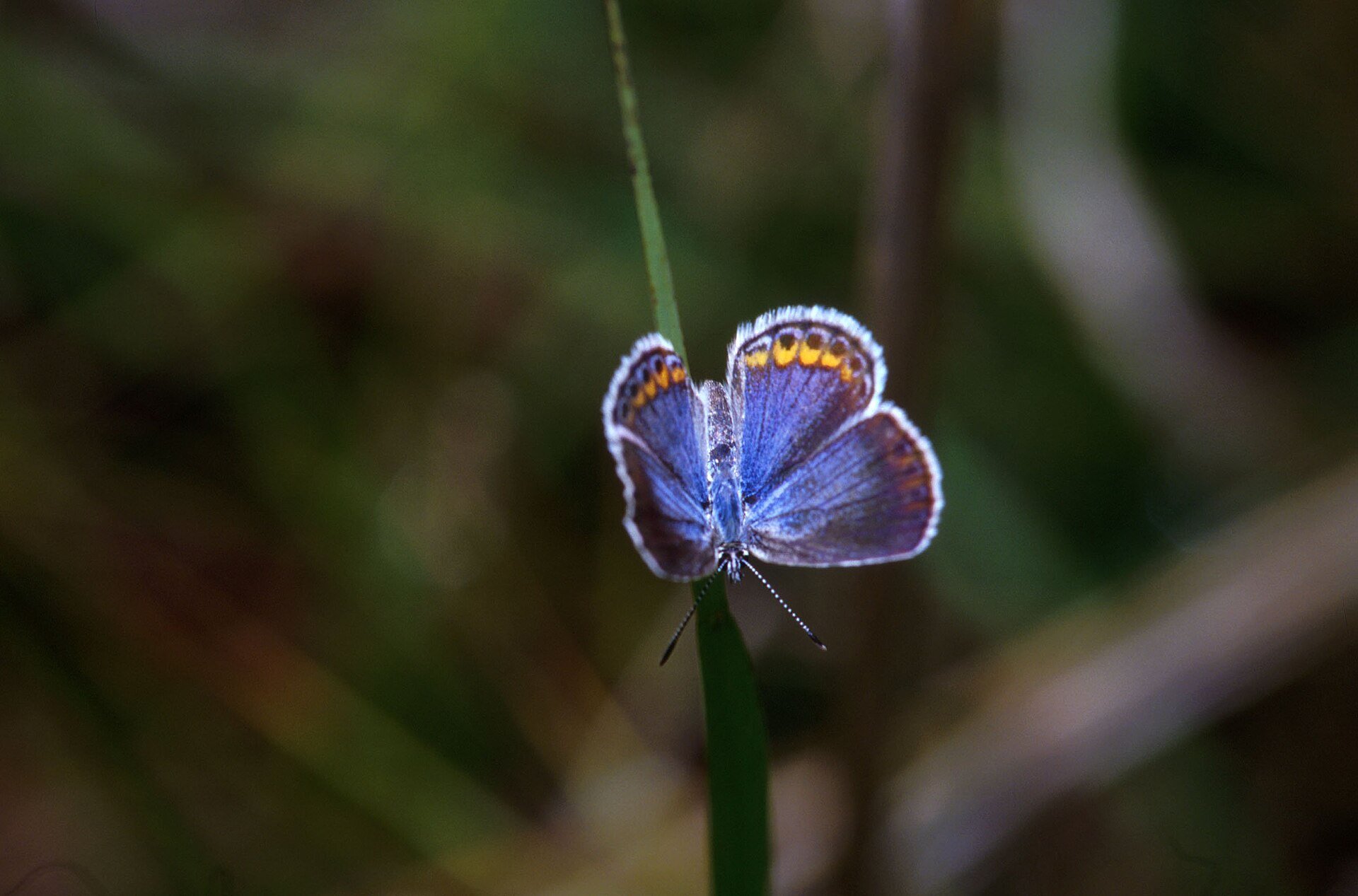
A Karner blue butterfly with violet-blue wings perched on a grass stem.

Endangered (ESA)

Karner Blue Butterfly

Plebejus melissa samuelis

A small blue butterfly that depends entirely on wild blue lupine growing in fire-maintained pine barrens and oak savanna.

Region:
Great Lakes region and the Northeast
Principal threat:
Loss of wild lupine and fire-dependent savanna
View full profile →
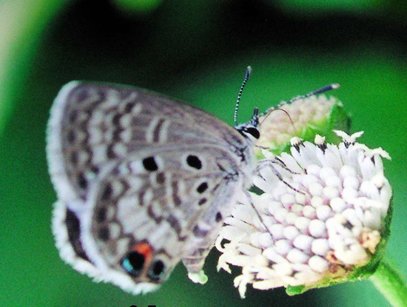
A small Miami blue butterfly with grey-blue underwings resting on a leaf.

Endangered (ESA)

Miami Blue Butterfly

Cyclargus thomasi bethunebakeri

Once common along the entire South Florida coast, now reduced to a few remote islands in the Florida Keys.

Region:
Florida Keys
Principal threat:
Coastal habitat loss, hurricanes, and invasive ants
View full profile →
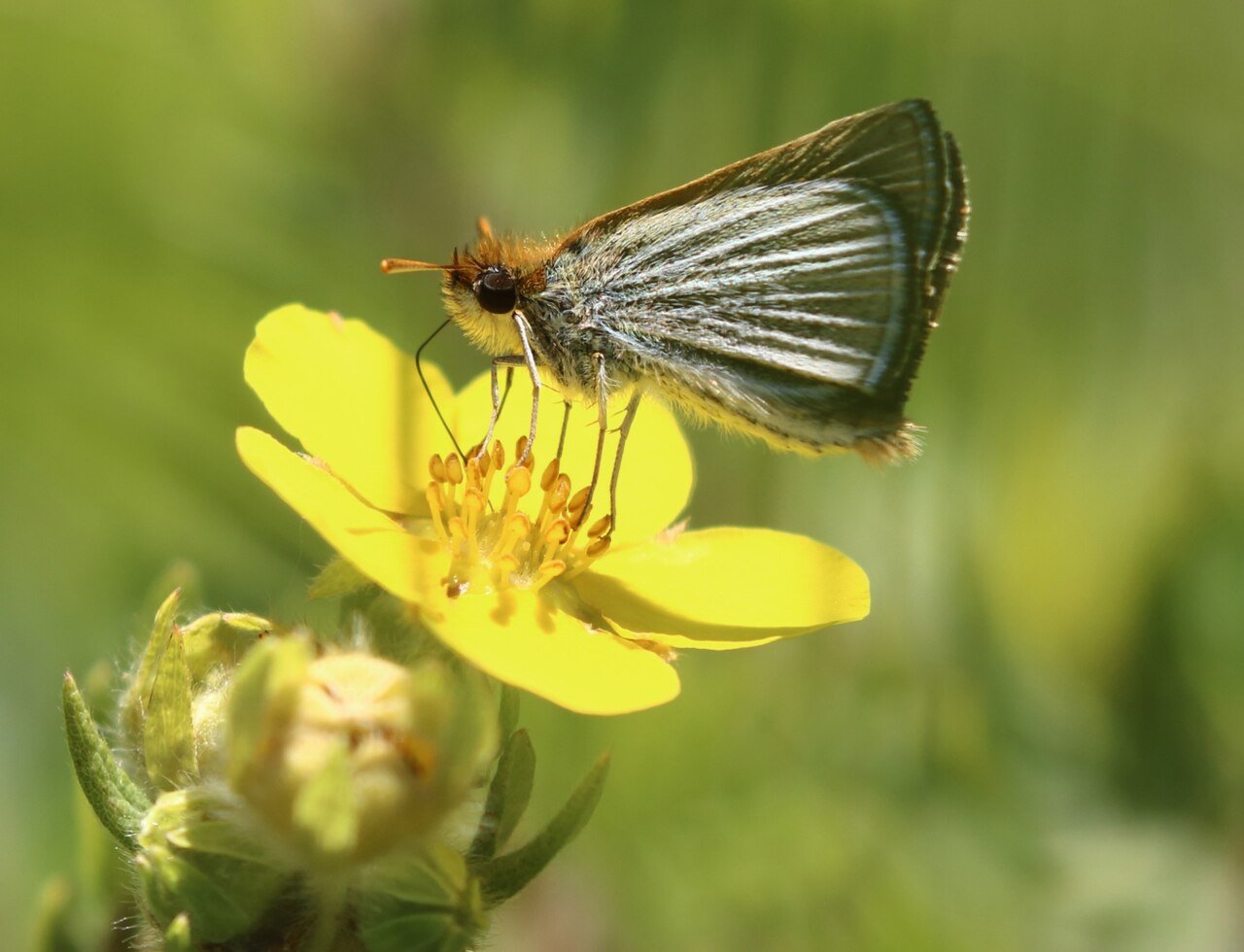
A Poweshiek skipperling with folded wings sipping nectar from a yellow flower.

Critically Endangered (IUCN) / Endangered (ESA)

Poweshiek Skipperling

Oarisma poweshiek

A small prairie butterfly that went from locally abundant to a handful of surviving sites in about a decade, for reasons still not fully understood.

Region:
Michigan, Wisconsin, and Manitoba
Principal threat:
Prairie and fen loss, with an unexplained rapid collapse
View full profile →
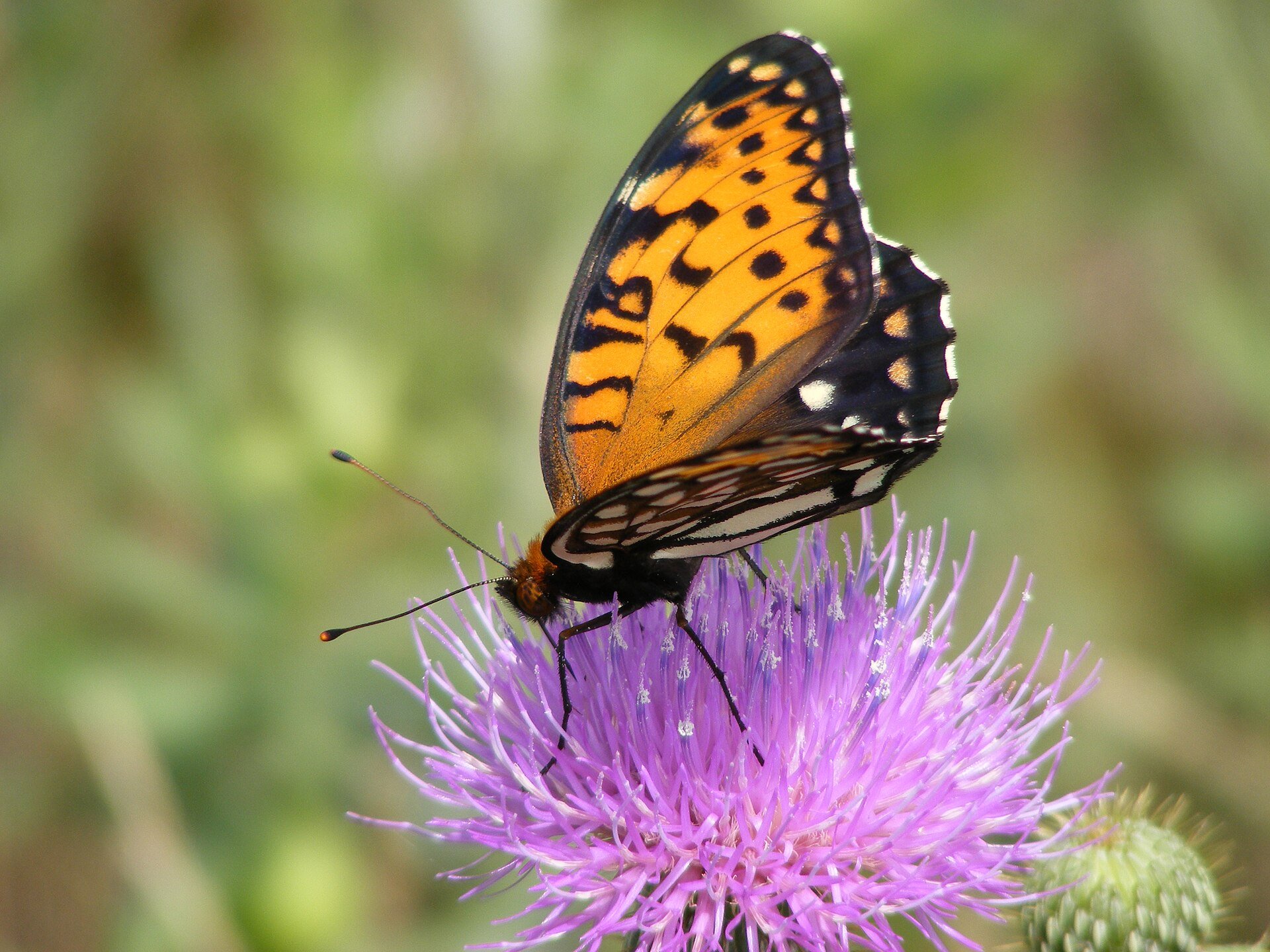
A regal fritillary butterfly with orange forewings and dark hindwings feeding on a purple thistle.

Threatened (ESA, eastern subspecies)

Regal Fritillary

Argynnis idalia

A large prairie butterfly, once found across the eastern grasslands, now essentially gone east of the Mississippi except for a single military installation.

Region:
Great Plains and remnant eastern prairie
Principal threat:
Tallgrass prairie loss and violet host plant decline
View full profile →
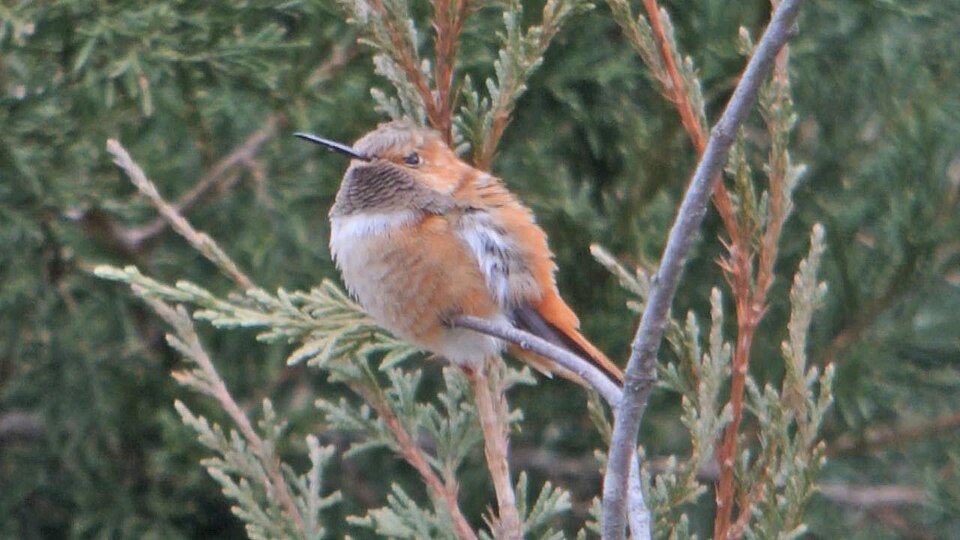
A rufous hummingbird perched on a bare twig, showing its rusty flanks and pale breast.

Near Threatened (IUCN)

Rufous Hummingbird

Selasphorus rufus

A hummingbird weighing about as much as a nickel that migrates from Alaska to Mexico each year, and has lost a large share of its population since the 1970s.

Region:
Western North America and Mexico
Principal threat:
Habitat loss and bloom timing shifts along the migration route
View full profile →
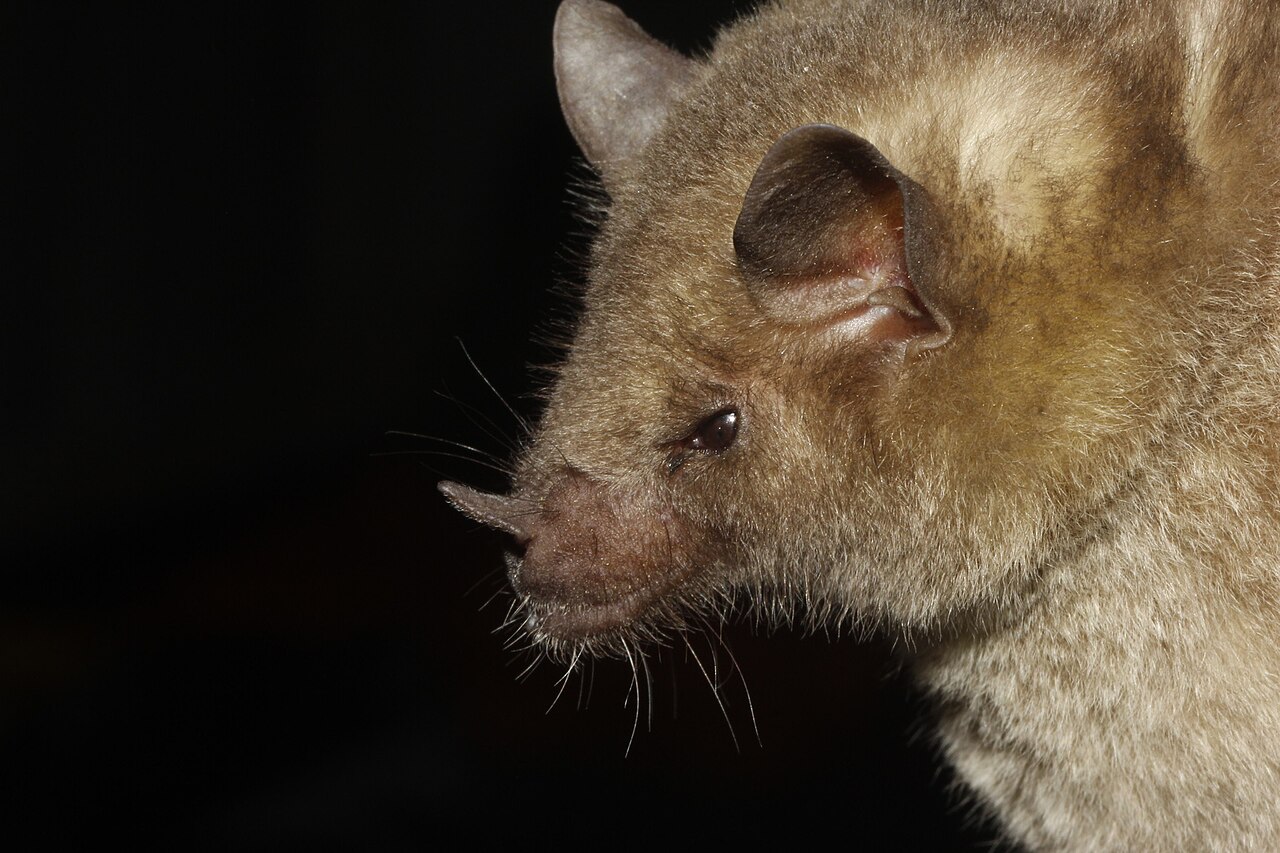
Close view of a nectar-feeding bat's head, showing its long muzzle, small nose-leaf and pale brown fur.

Endangered (IUCN and ESA)

Mexican Long-nosed Bat

Leptonycteris nivalis

A migratory nectar-feeding bat that pollinates agaves along a corridor from central Mexico to the mountains of west Texas.

Region:
West Texas, New Mexico, and Mexico
Principal threat:
Loss of agave forage and roost disturbance
View full profile →