Species Focus Area

Mammals

Mammals shape landscapes through grazing, digging, seed spreading, and predation. Many need large, connected range to survive at all, which makes them early casualties of fragmentation.

Why this group matters

Large and medium mammals hold ecosystems in balance from the top down. Losing them changes vegetation, prey populations, and soil long after the animal itself is gone.

Common threats

  • · Habitat fragmentation and loss of corridors
  • · Road mortality
  • · Poaching and illegal wildlife trade
  • · Human-wildlife conflict and displacement

How people can help

  • · Support wildlife corridors and open-space protection
  • · Back wildlife crossings on roads through occupied habitat
  • · Refuse products tied to trafficking or habitat clearing

Ten Mammals of Exceptional Conservation Concern

These ten are not a scientific ranking. They were selected for conservation urgency, teaching value, and regional relevance, and each one has a complete, sourced profile.

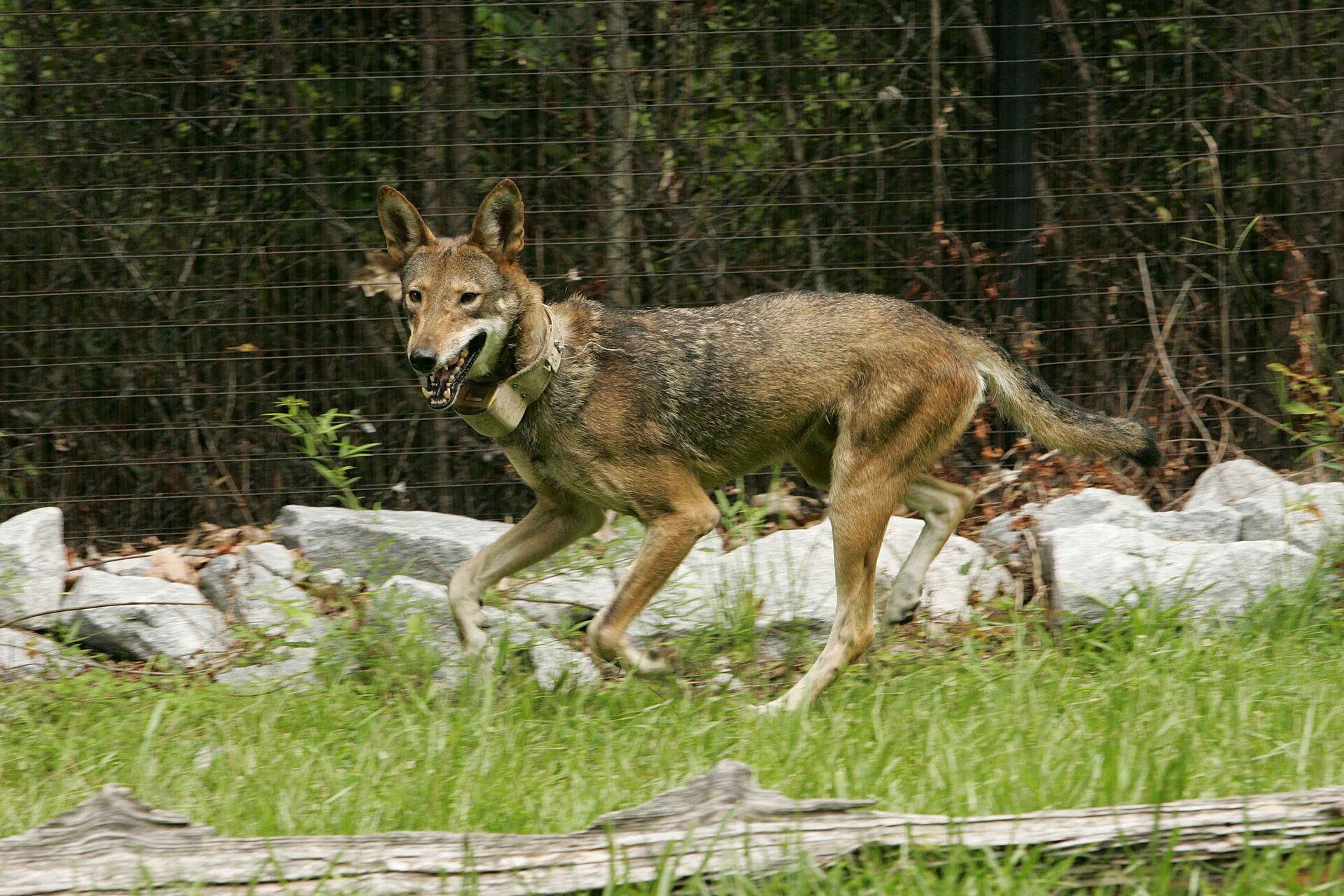
A red wolf walking through grass, showing its reddish-tan coat and long legs.

Critically Endangered (IUCN) / Endangered (ESA)

Red Wolf

Canis rufus

Declared extinct in the wild in 1980 and rebuilt from fourteen founder animals; the only wild population lives in eastern North Carolina.

Region:
Southeastern United States
Principal threat:
Human-caused mortality and coyote hybridization
View full profile →
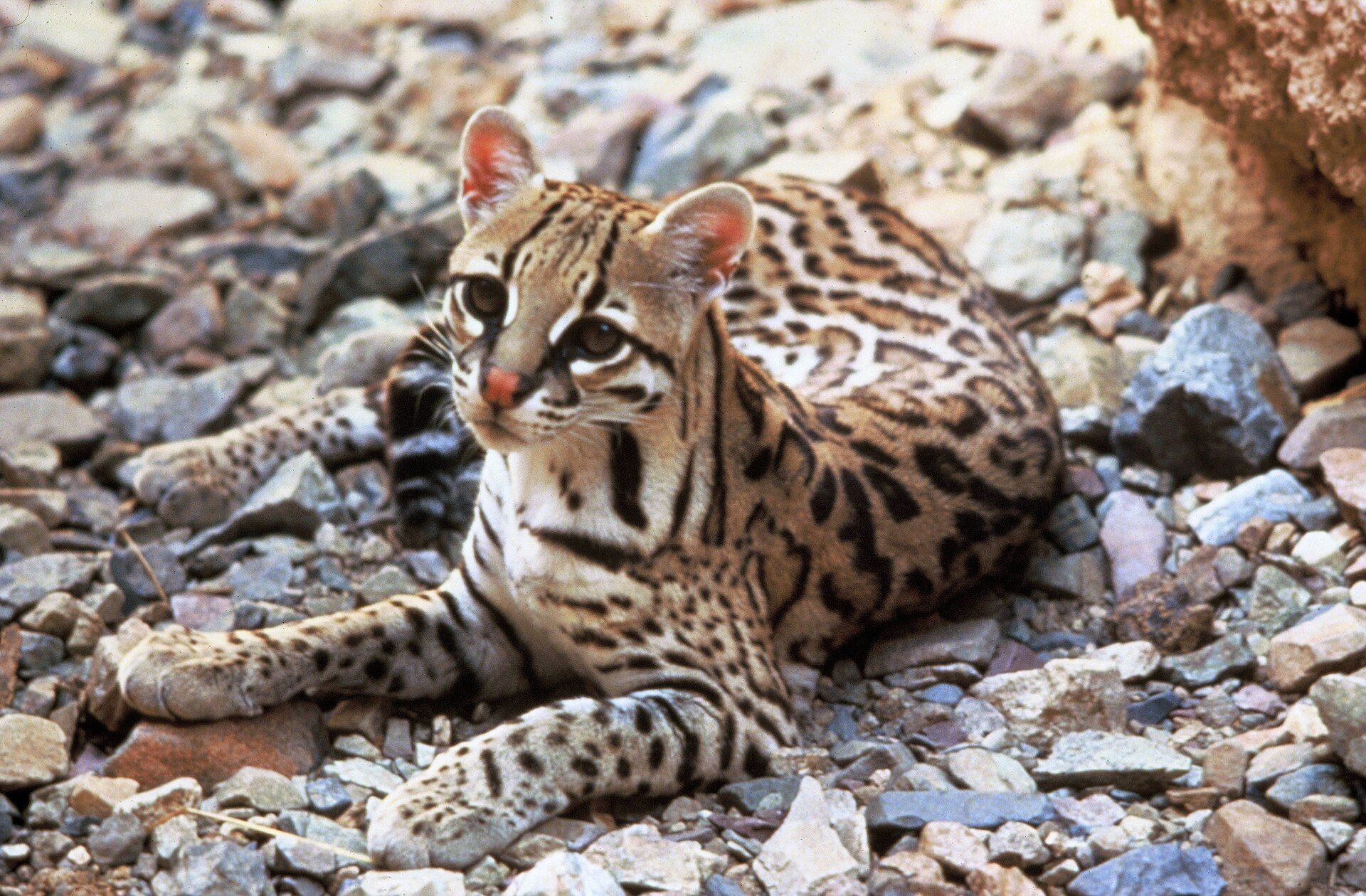
An ocelot lying on rocky ground, its spotted and striped coat clearly visible.

Least Concern (IUCN) / Endangered (ESA)

Ocelot

Leopardus pardalis

Secure across Latin America but nearly gone from the United States, where a few dozen cats survive in south Texas thornscrub.

Region:
South Texas through South America
Principal threat:
Thornscrub loss and road mortality
View full profile →
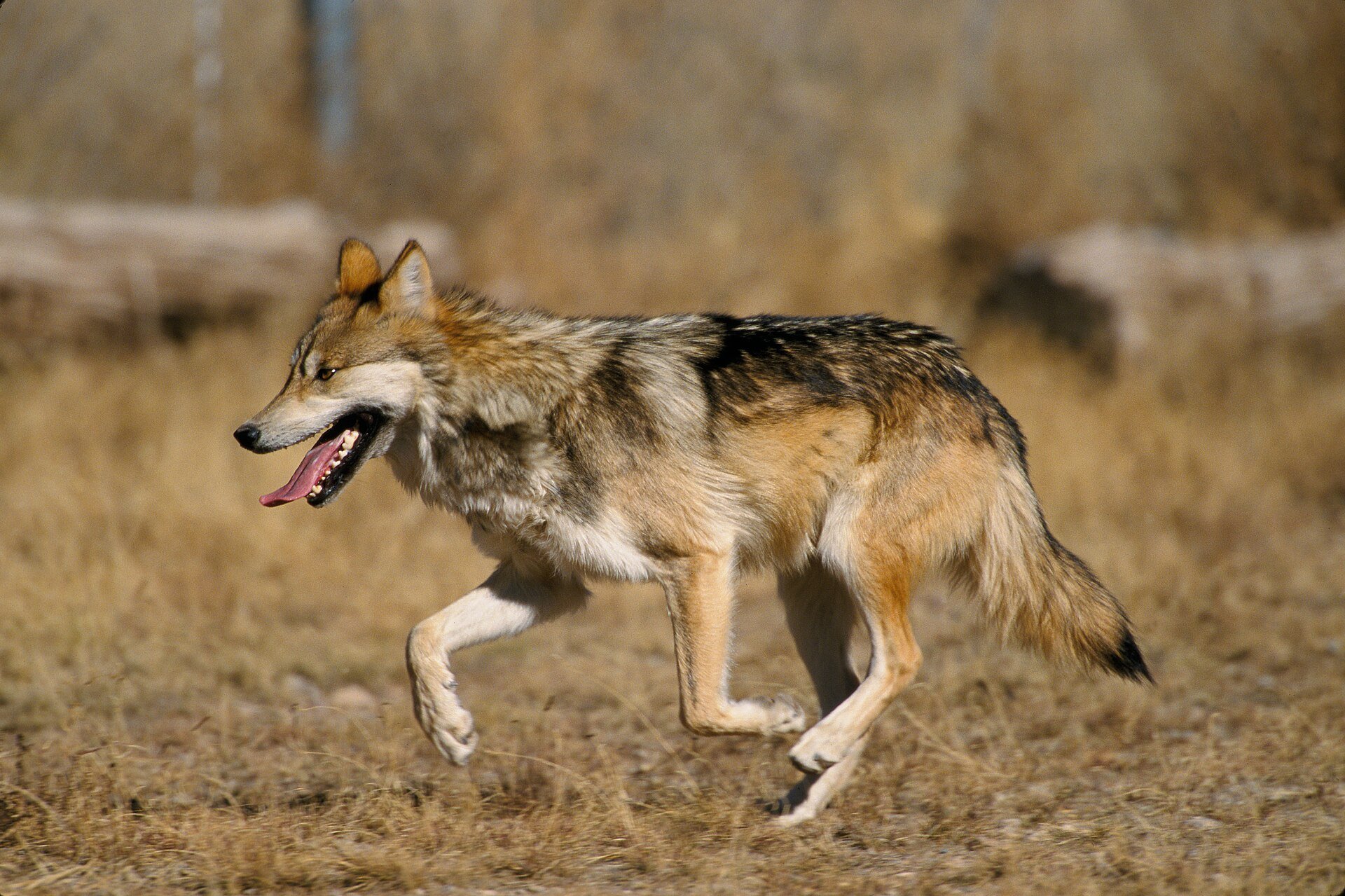
A Mexican gray wolf running through dry grassland, showing its tawny, grey and black coat.

Endangered (ESA, subspecies)

Mexican Gray Wolf

Canis lupus baileyi

The most endangered gray wolf subspecies in North America, restored to Arizona and New Mexico from seven founders.

Region:
Arizona, New Mexico, and northern Mexico
Principal threat:
Illegal killing and low genetic diversity
View full profile →
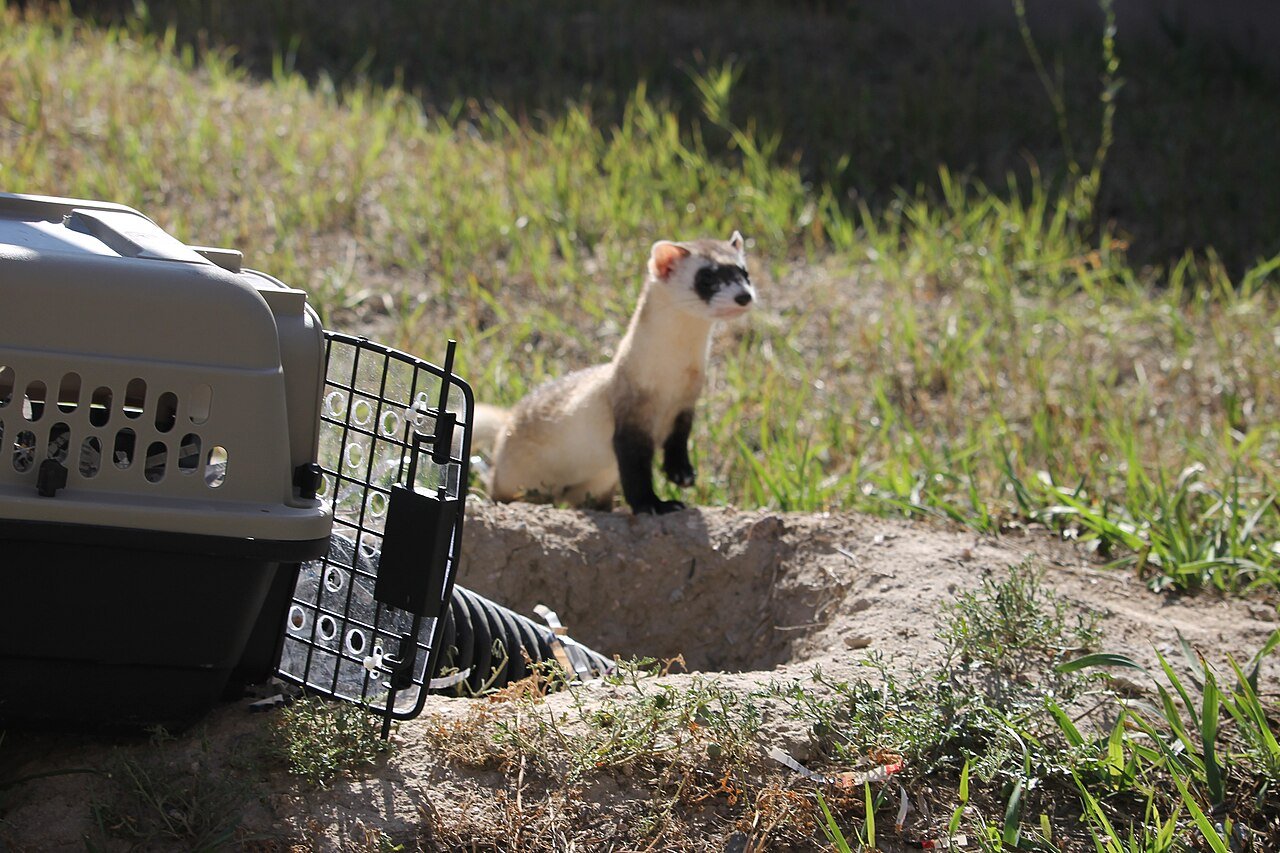
A black-footed ferret stepping out of a transport carrier at a burrow entrance in short grassland.

Endangered (IUCN and ESA)

Black-footed Ferret

Mustela nigripes

North America's only native ferret, twice believed extinct, entirely dependent on prairie dog colonies for food and shelter.

Region:
Great Plains of North America
Principal threat:
Loss of prairie dog colonies and sylvatic plague
View full profile →
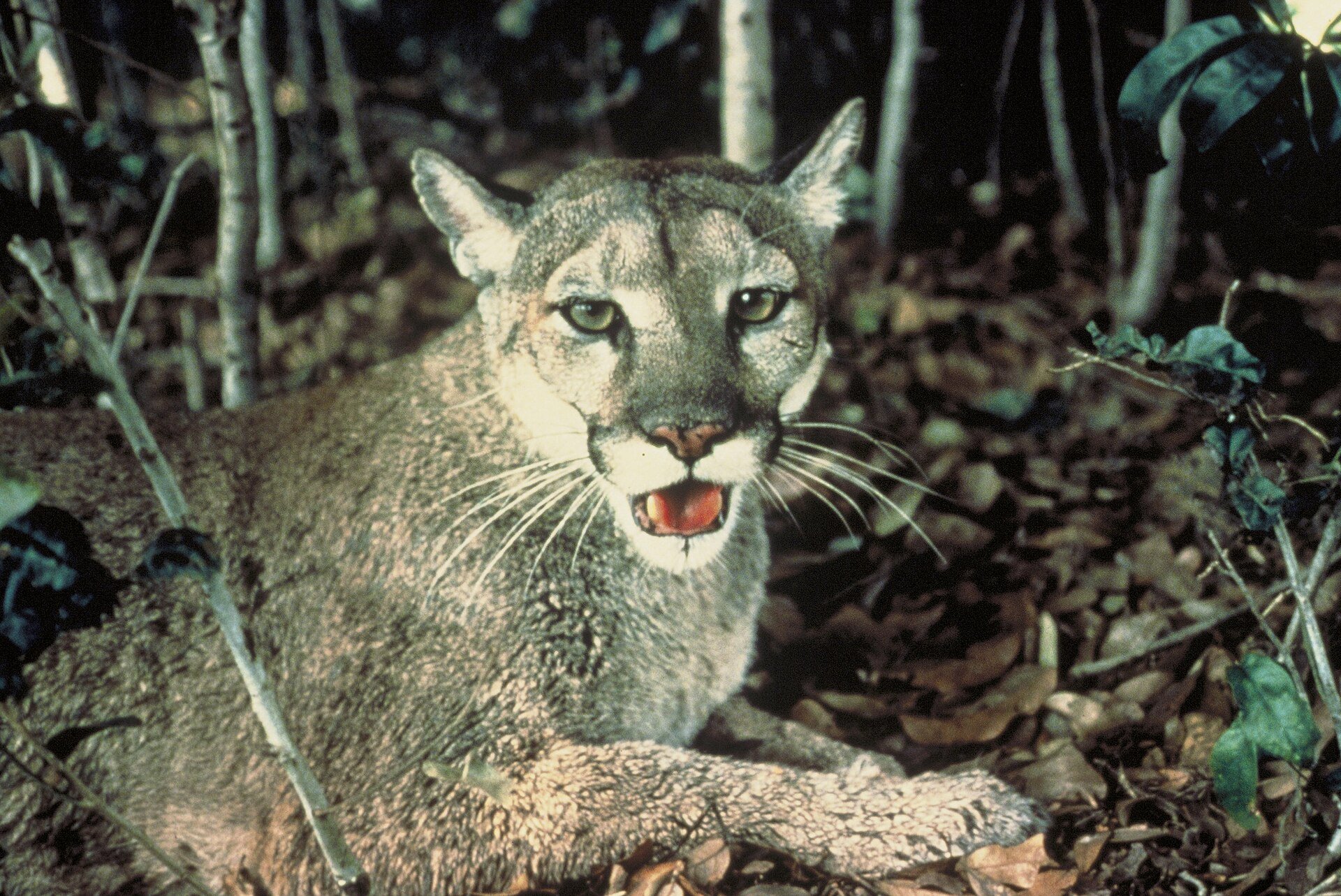
A Florida panther lying in dense vegetation, looking toward the camera with its mouth slightly open.

Endangered (ESA, subspecies)

Florida Panther

Puma concolor coryi

The last breeding puma population in the eastern United States, recovered from near-collapse by a 1995 genetic rescue using Texas cougars.

Region:
South Florida
Principal threat:
Vehicle collisions and habitat loss
View full profile →
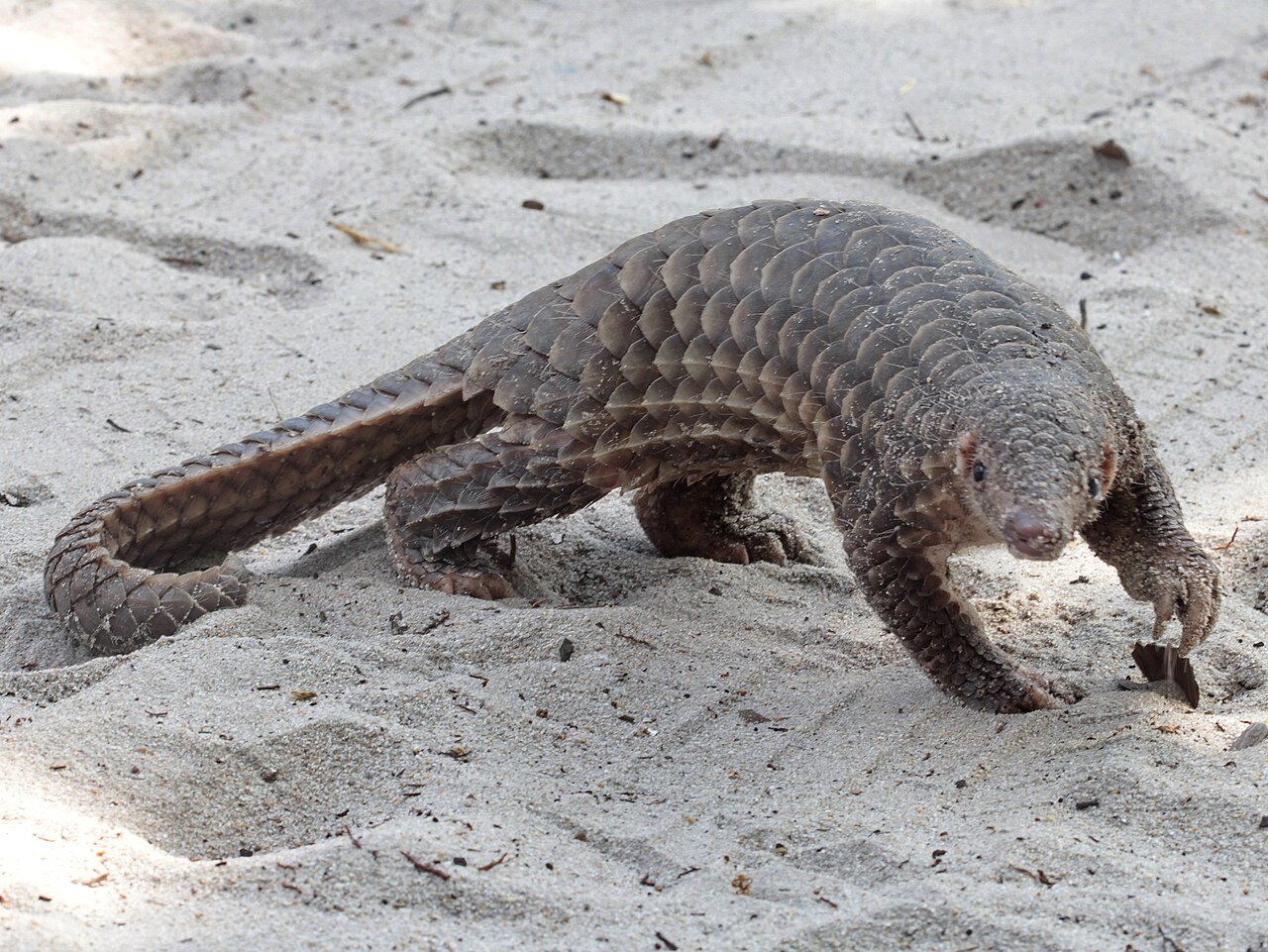
A Sunda pangolin walking on sandy ground, its long tail and overlapping scales visible.

Critically Endangered (IUCN)

Sunda Pangolin

Manis javanica

A scaled, ant-eating mammal of Southeast Asia driven toward extinction by the most intense illegal wildlife trade of any mammal group.

Region:
Southeast Asia
Principal threat:
Poaching and wildlife trafficking
View full profile →
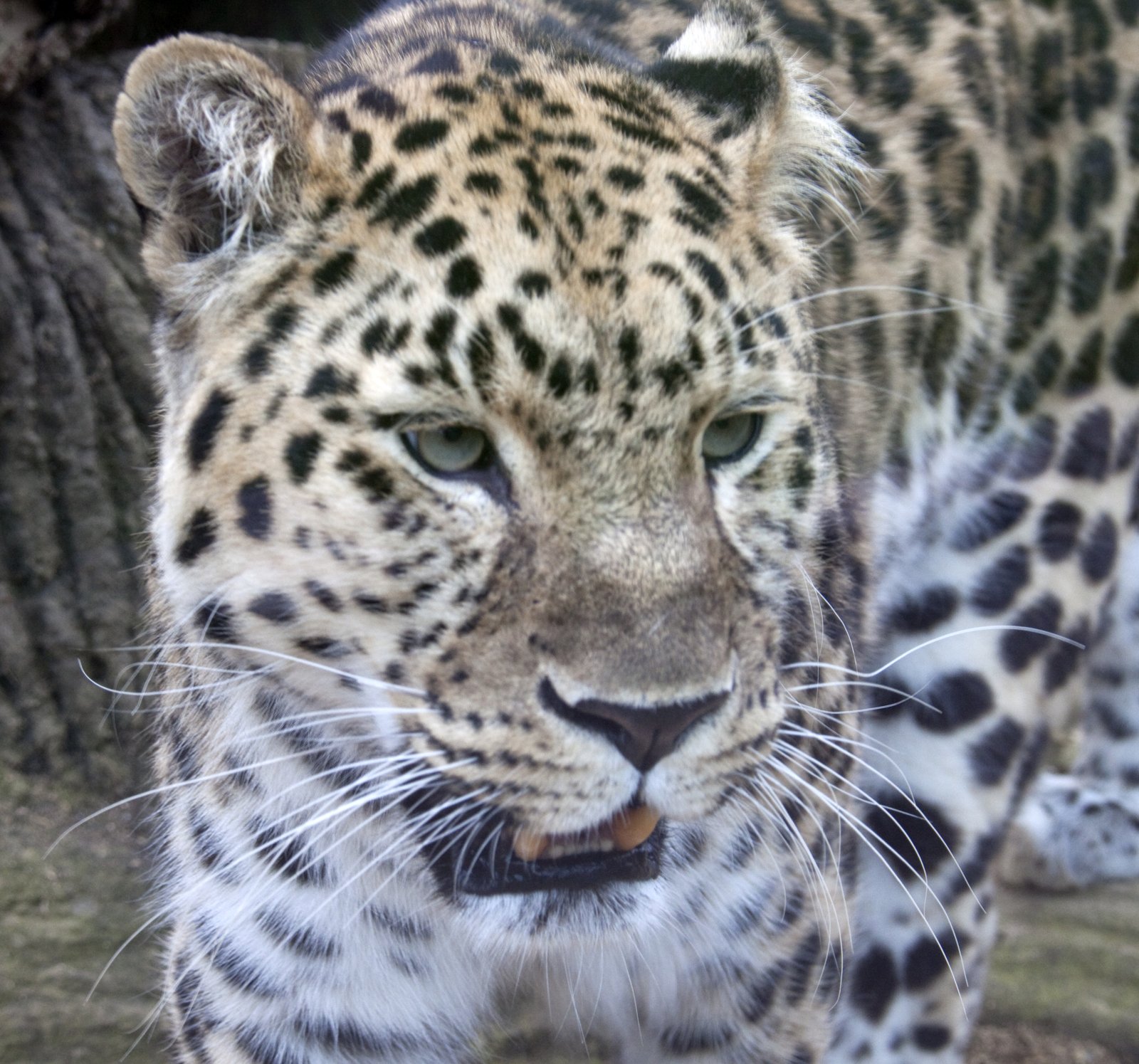
Close portrait of an Amur leopard's face, showing pale fur with widely spaced dark rosettes.

Critically Endangered (IUCN, subspecies)

Amur Leopard

Panthera pardus orientalis

A cold-adapted leopard of the Russian Far East and northeast China, reduced to a single small population and now slowly increasing under strict protection.

Region:
Russian Far East and northeast China
Principal threat:
Poaching and habitat loss
View full profile →
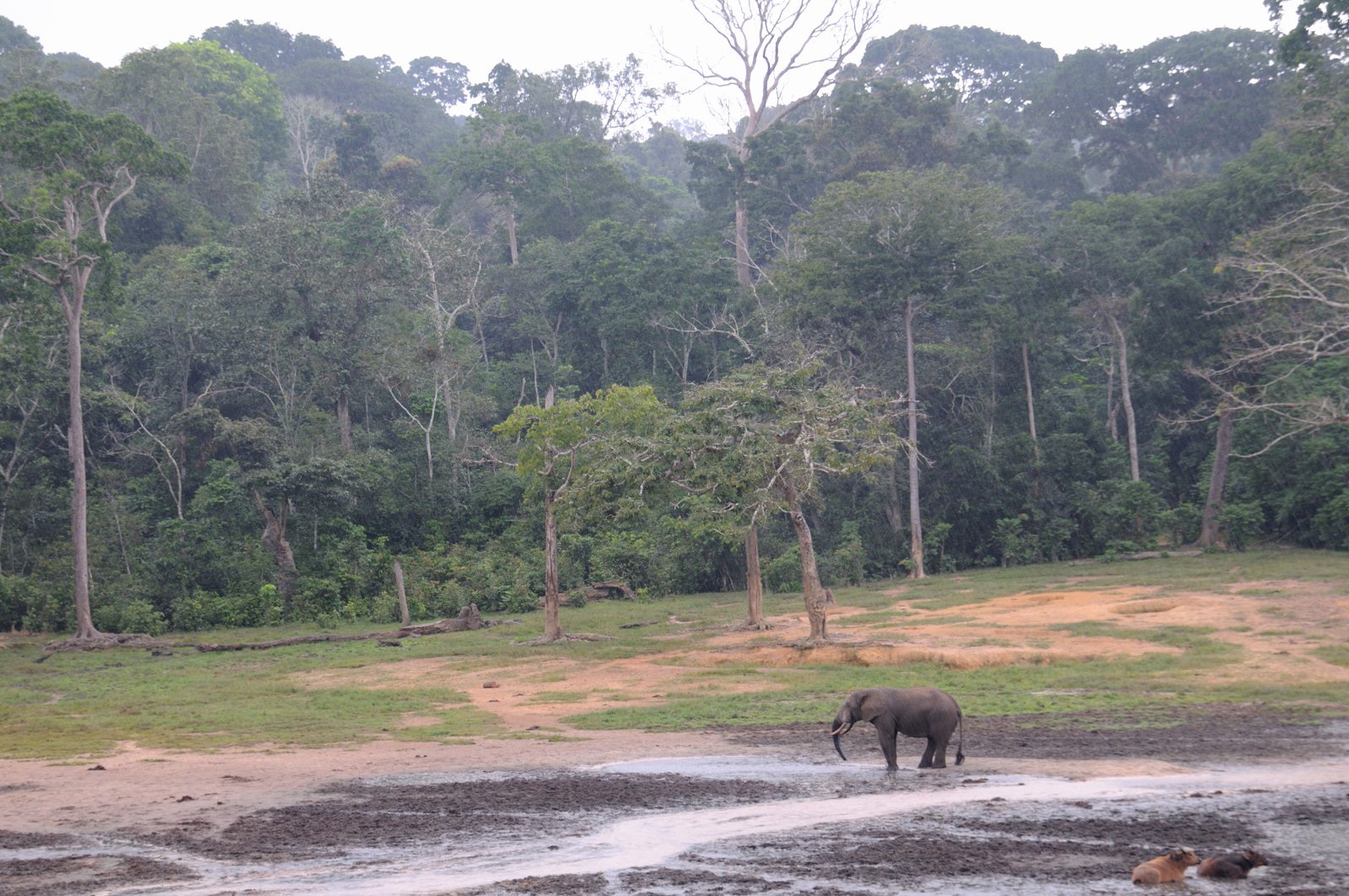
A single African forest elephant standing at a distance on the open sand of a rainforest clearing.

Critically Endangered (IUCN)

African Forest Elephant

Loxodonta cyclotis

Recognized as a distinct species in 2021 and immediately assessed as Critically Endangered after decades of ivory poaching in Central African forests.

Region:
Central and West African forests
Principal threat:
Ivory poaching
View full profile →
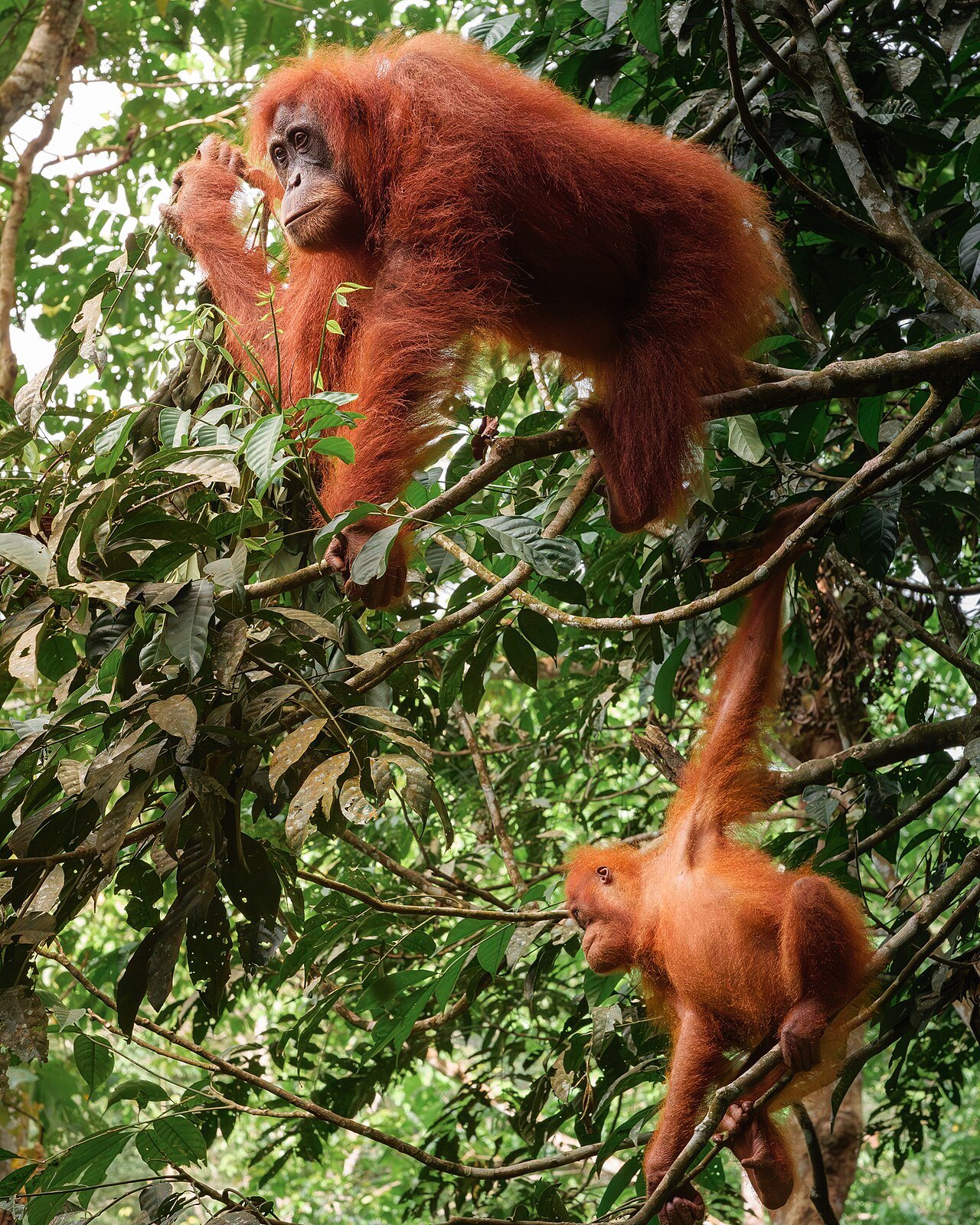
A Sumatran orangutan and her infant among green branches in the forest canopy.

Critically Endangered (IUCN)

Sumatran Orangutan

Pongo abelii

A critically endangered great ape confined to northern Sumatra, losing habitat to oil palm expansion, logging, and road development.

Region:
Northern Sumatra, Indonesia
Principal threat:
Deforestation for oil palm and logging
View full profile →
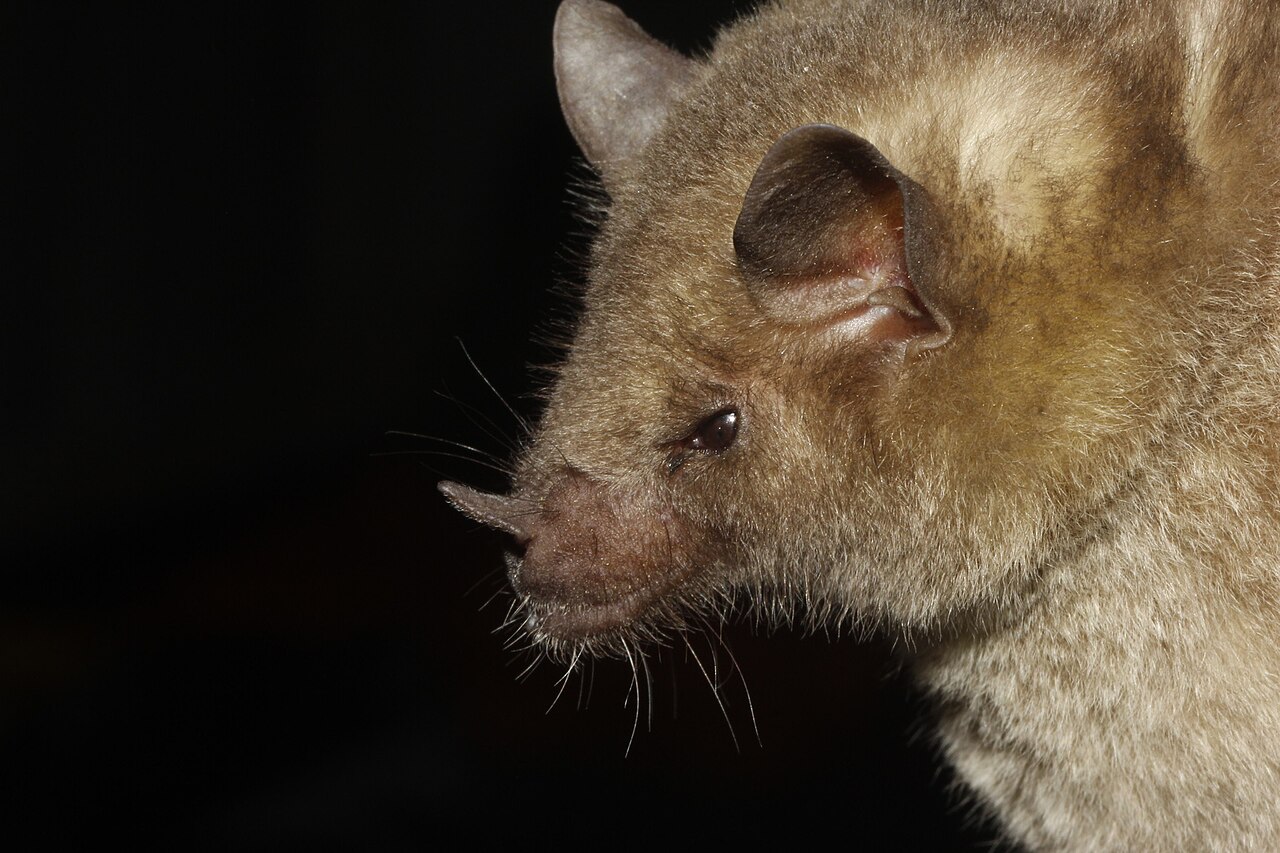
Close view of a nectar-feeding bat's head, showing its long muzzle, small nose-leaf and pale brown fur.

Endangered (IUCN and ESA)

Mexican Long-nosed Bat

Leptonycteris nivalis

A migratory nectar-feeding bat that pollinates agaves along a corridor from central Mexico to the mountains of west Texas.

Region:
West Texas, New Mexico, and Mexico
Principal threat:
Loss of agave forage and roost disturbance
View full profile →