Species Focus Area

Global Endangered Species

Species elsewhere face pressures we recognize: habitat loss, exploitation, pollution, and neglect. Learning them builds understanding rather than distance.

Why this group matters

Global species show how trade, consumption, and demand in one country decide the survival of wildlife in another.

Common threats

  • · Poaching and illegal wildlife trafficking
  • · Deforestation for agriculture and plantation crops
  • · Conflict, instability, and weak enforcement
  • · Climate pressure and disease

How people can help

  • · Learn about a species before donating to anything on its behalf
  • · Support reputable field conservation and ranger programs
  • · Avoid products tied to habitat destruction or trafficking

Ten Global Species of Exceptional Conservation Concern

These ten are not a scientific ranking. They were selected for conservation urgency, teaching value, and regional relevance, and each one has a complete, sourced profile.

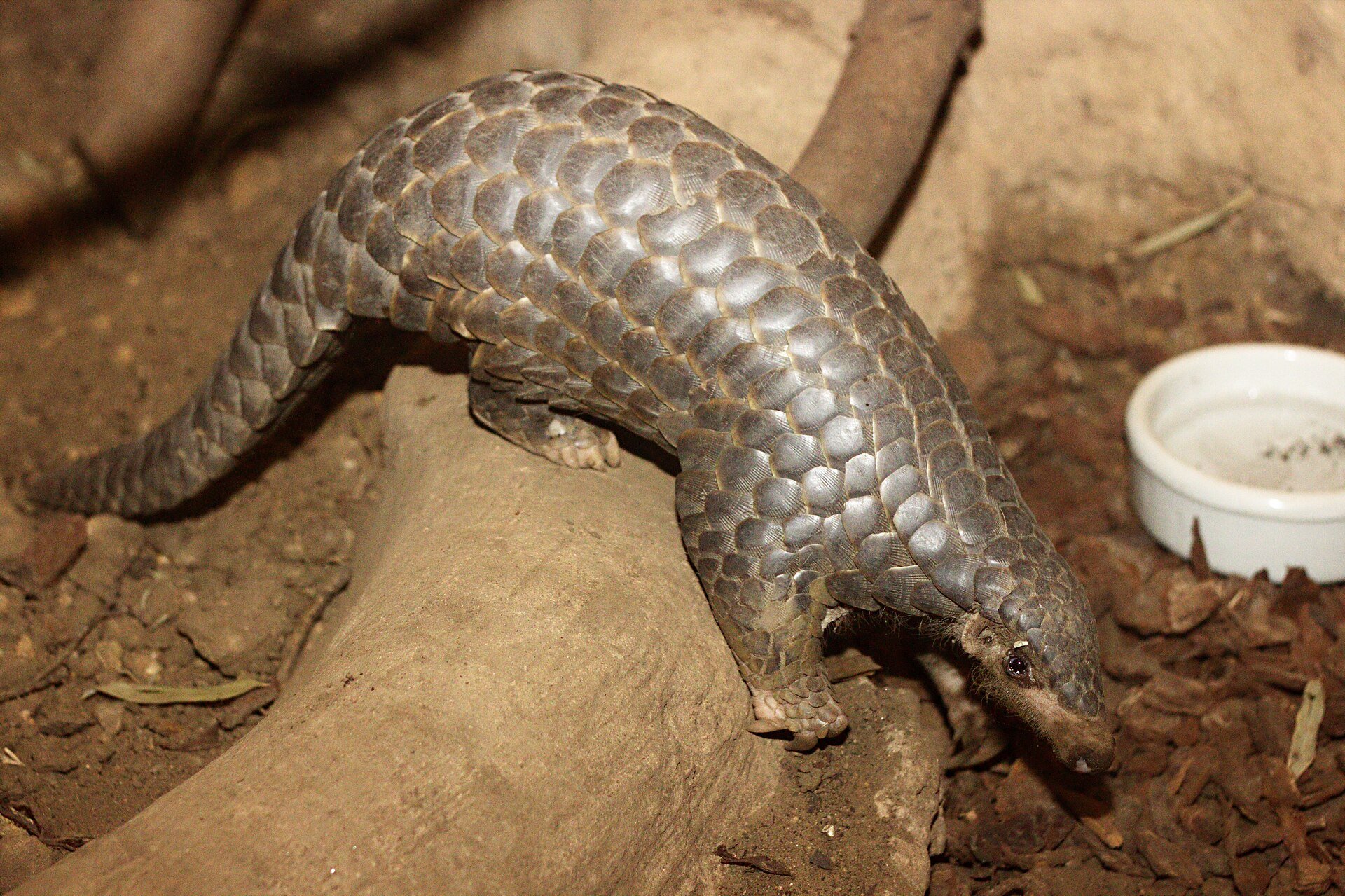
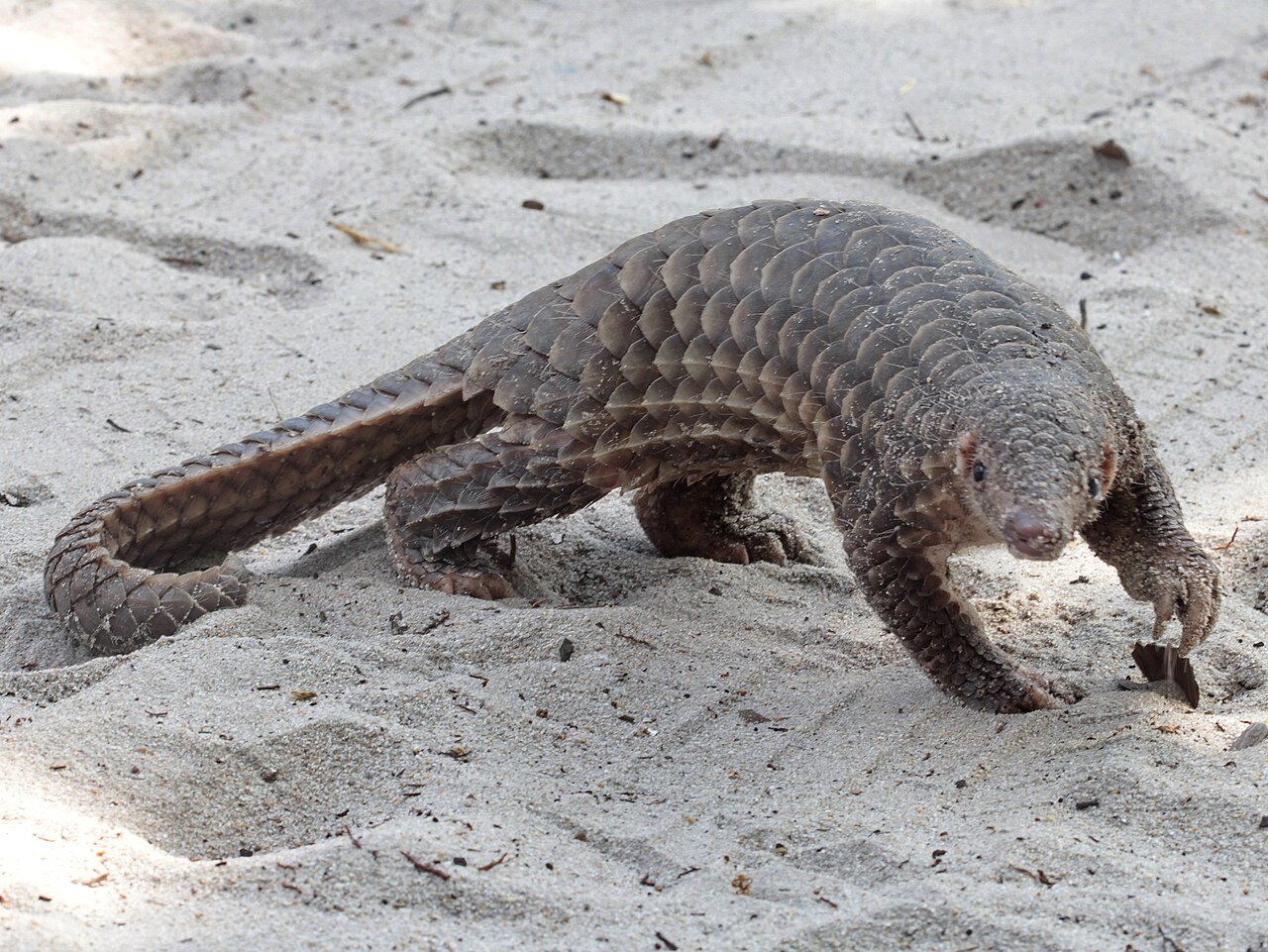
A Sunda pangolin walking on sandy ground, its long tail and overlapping scales visible.

Critically Endangered (IUCN)

Sunda Pangolin

Manis javanica

A scaled, ant-eating mammal of Southeast Asia driven toward extinction by the most intense illegal wildlife trade of any mammal group.

Region:
Southeast Asia
Principal threat:
Poaching and wildlife trafficking
View full profile →
A Chinese pangolin walking across bark chips, its overlapping brown scales clearly visible.

Critically Endangered (IUCN)

Chinese Pangolin

Manis pentadactyla

A scaled, ant-eating mammal from southern Asia, trafficked in such volume that it has been functionally lost across much of its historic range.

Region:
Southern China, Taiwan, Northeast India, and mainland Southeast Asia
Principal threat:
Poaching and international wildlife trafficking
View full profile →
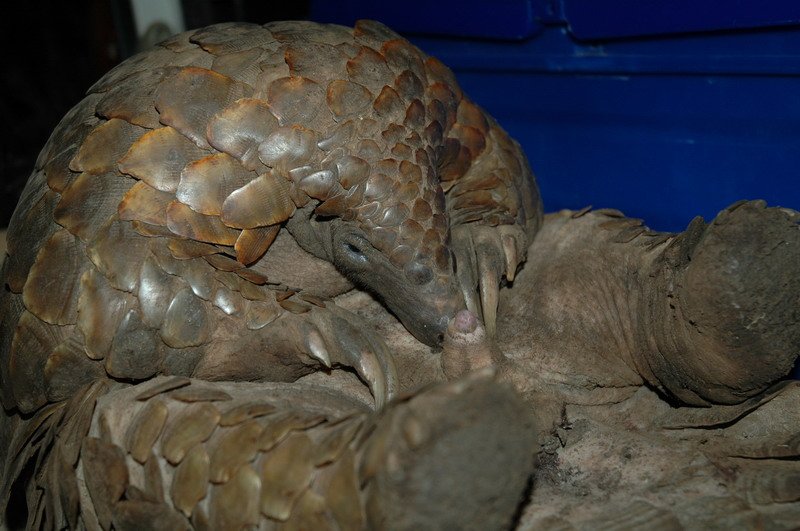
A Temminck's ground pangolin uncurling, showing its large overlapping scales.

Vulnerable (IUCN)

Temminck's Ground Pangolin

Smutsia temminckii

Africa's most widespread pangolin, increasingly targeted by international trafficking as Asian pangolin populations collapse.

Region:
Eastern and southern Africa
Principal threat:
Trafficking, electric fencing, and bushmeat hunting
View full profile →
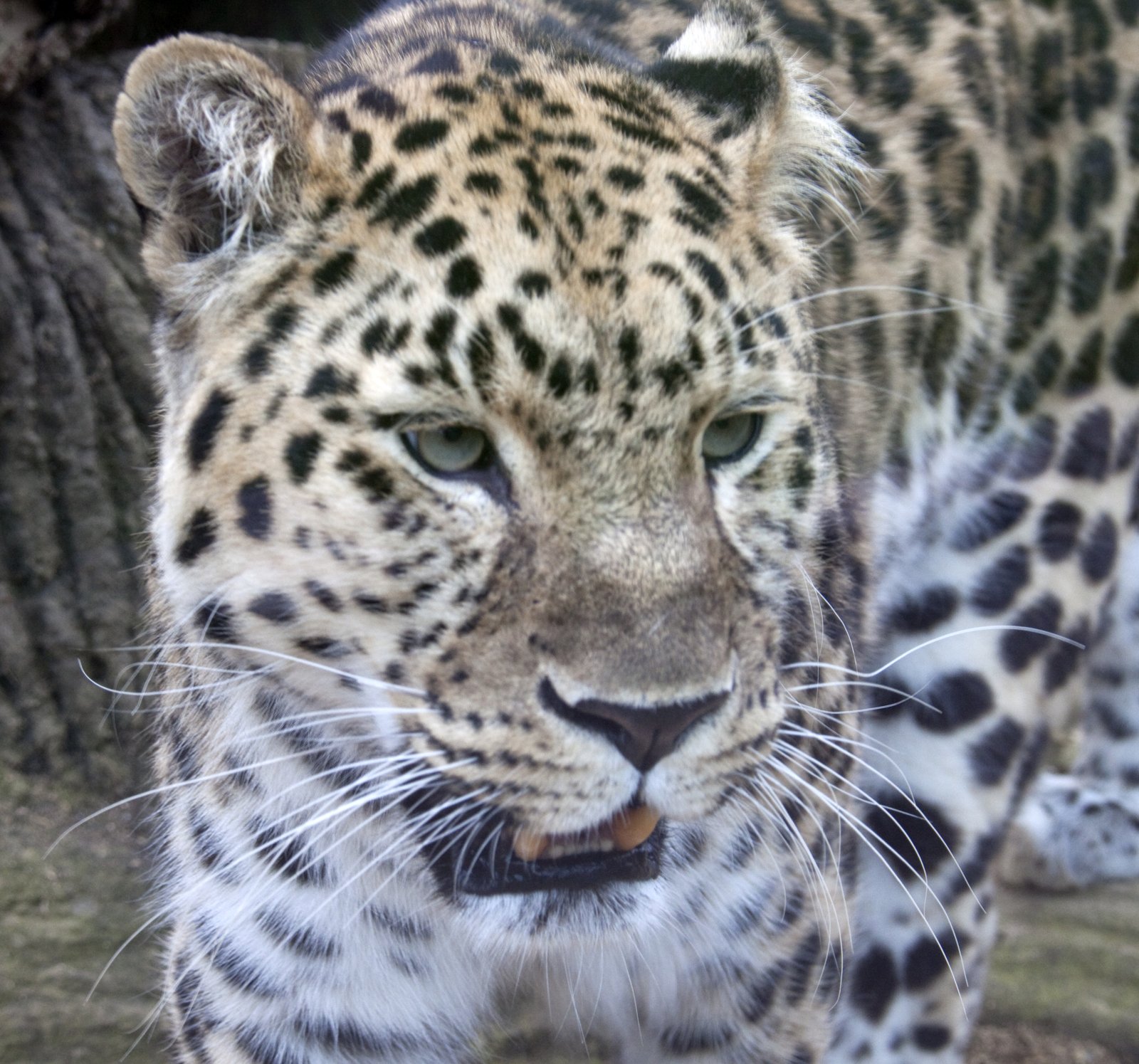
Close portrait of an Amur leopard's face, showing pale fur with widely spaced dark rosettes.

Critically Endangered (IUCN, subspecies)

Amur Leopard

Panthera pardus orientalis

A cold-adapted leopard of the Russian Far East and northeast China, reduced to a single small population and now slowly increasing under strict protection.

Region:
Russian Far East and northeast China
Principal threat:
Poaching and habitat loss
View full profile →
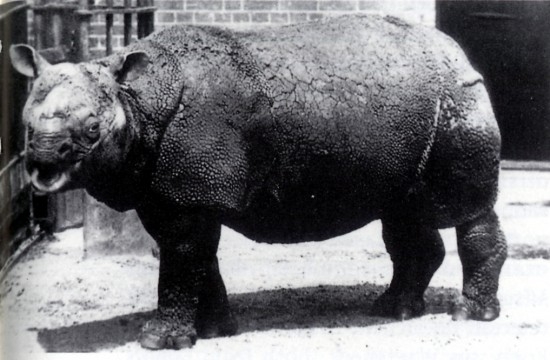
Historic black-and-white photograph of a Javan rhinoceros standing in a walled enclosure, its single horn and folded skin plates clearly visible.

Critically Endangered (IUCN)

Javan Rhinoceros

Rhinoceros sondaicus

The rarest large mammal on earth, surviving as a single population in one Indonesian national park.

Region:
Ujung Kulon National Park, Java, Indonesia
Principal threat:
A single tiny population, disease risk, and poaching
View full profile →
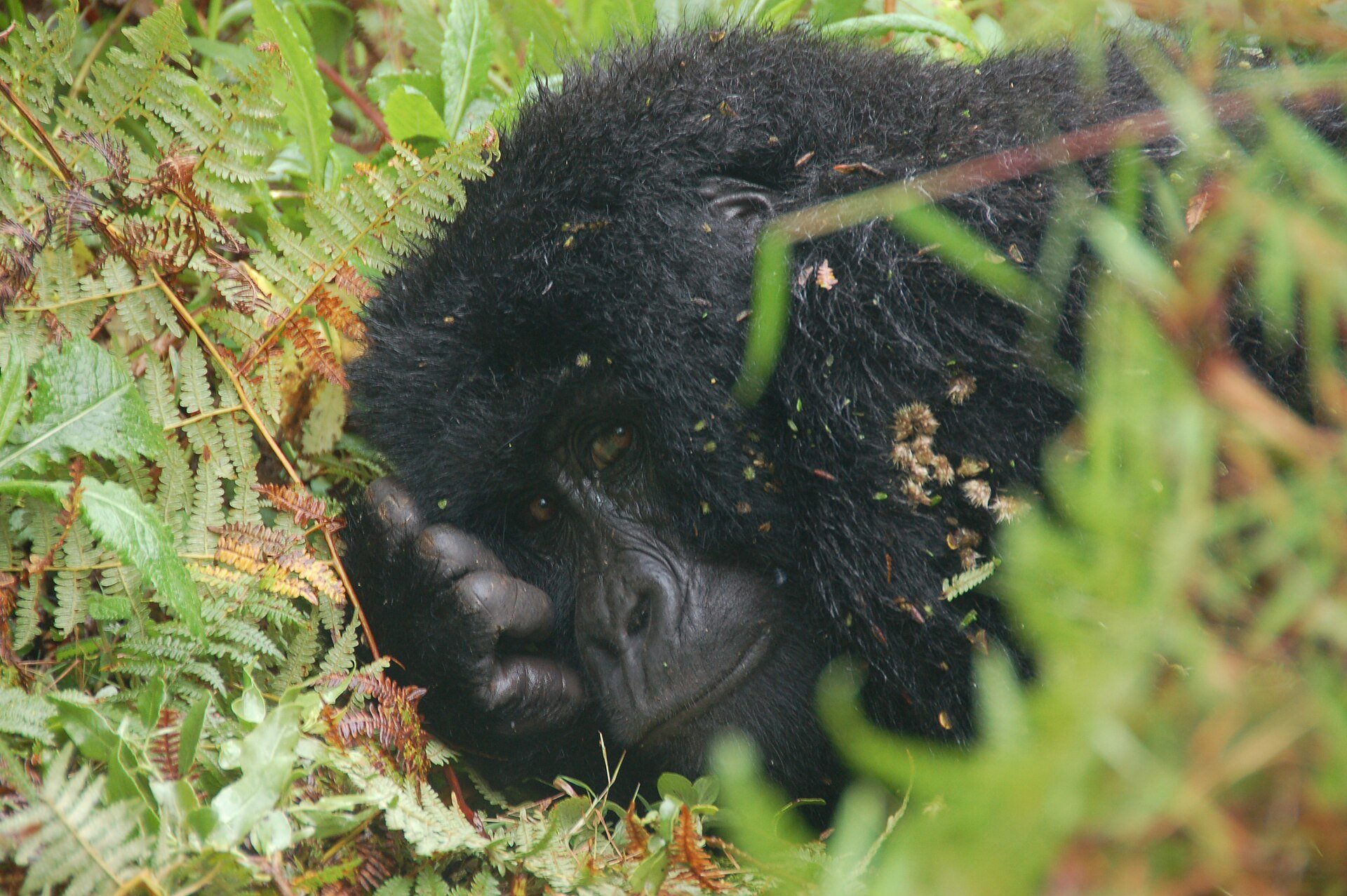
A mountain gorilla partly hidden in thick green vegetation, with dense black fur.

Endangered (IUCN)

Mountain Gorilla

Gorilla beringei beringei

One of the few great apes whose numbers are increasing, recovering from near-extinction through decades of protection built around tourism and community partnership.

Region:
Virunga Massif and Bwindi, Central Africa
Principal threat:
Disease transmission, habitat pressure, and regional instability
View full profile →
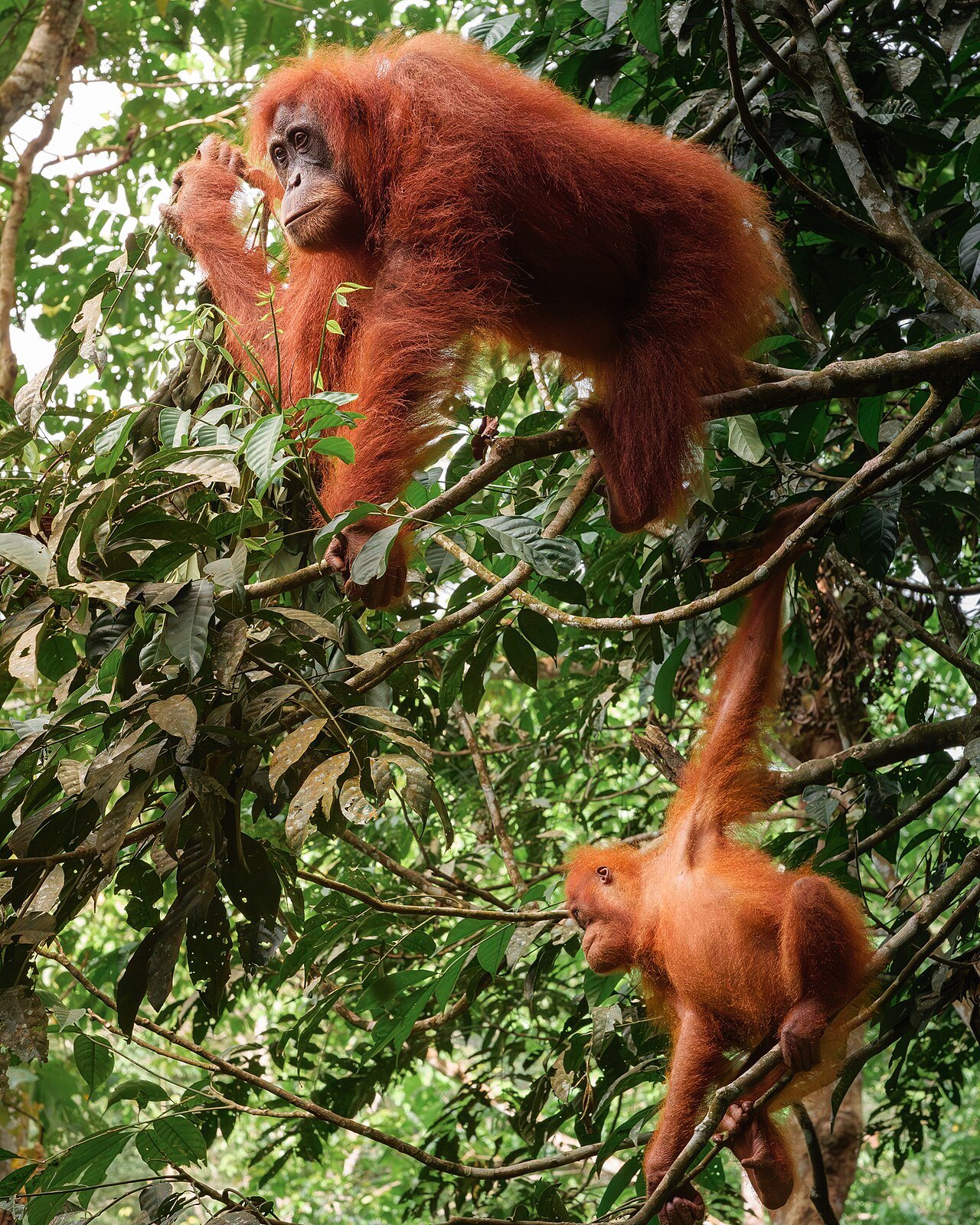
A Sumatran orangutan and her infant among green branches in the forest canopy.

Critically Endangered (IUCN)

Sumatran Orangutan

Pongo abelii

A critically endangered great ape confined to northern Sumatra, losing habitat to oil palm expansion, logging, and road development.

Region:
Northern Sumatra, Indonesia
Principal threat:
Deforestation for oil palm and logging
View full profile →
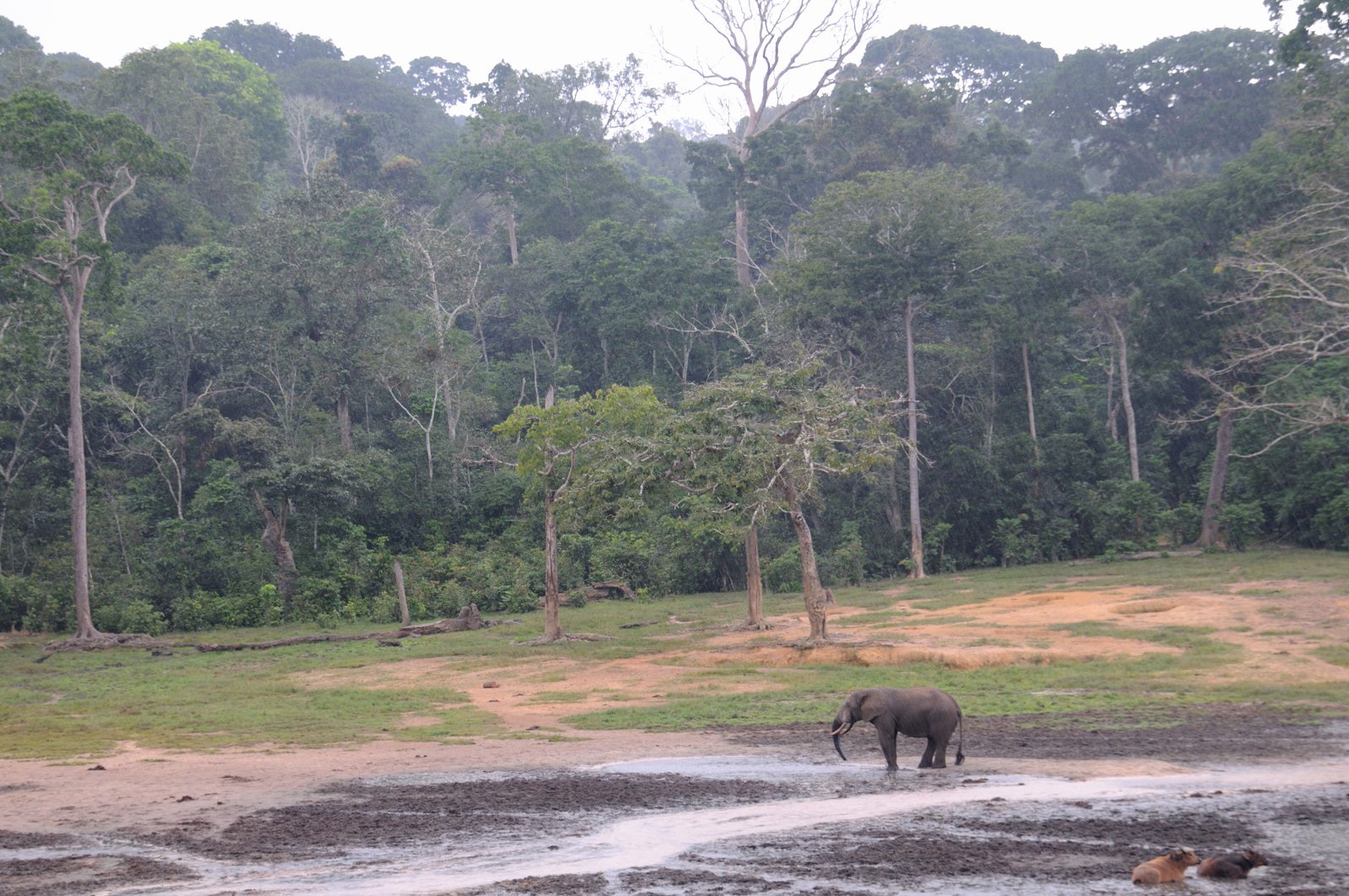
A single African forest elephant standing at a distance on the open sand of a rainforest clearing.

Critically Endangered (IUCN)

African Forest Elephant

Loxodonta cyclotis

Recognized as a distinct species in 2021 and immediately assessed as Critically Endangered after decades of ivory poaching in Central African forests.

Region:
Central and West African forests
Principal threat:
Ivory poaching
View full profile →
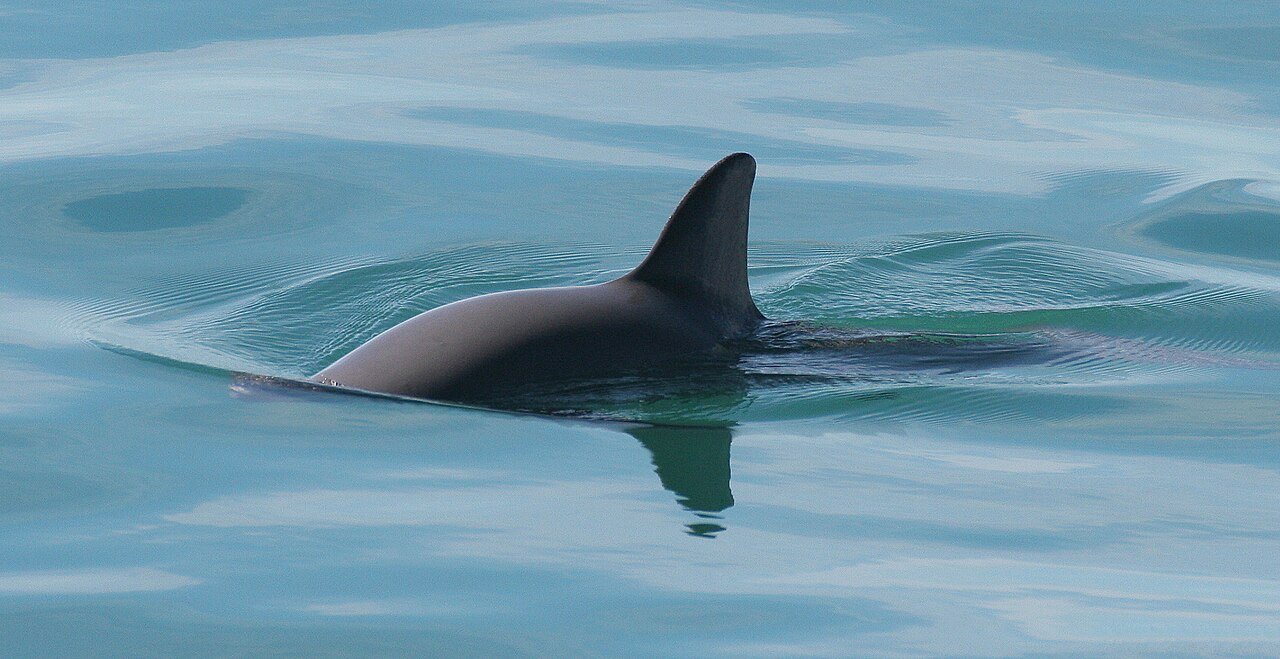
A vaquita surfacing in calm water, showing its dark back and triangular dorsal fin.

Critically Endangered (IUCN)

Vaquita

Phocoena sinus

The world's most endangered marine mammal, reduced to about ten individuals by gillnets set for a different endangered species.

Region:
Northern Gulf of California, Mexico
Principal threat:
Entanglement in illegal totoaba gillnets
View full profile →
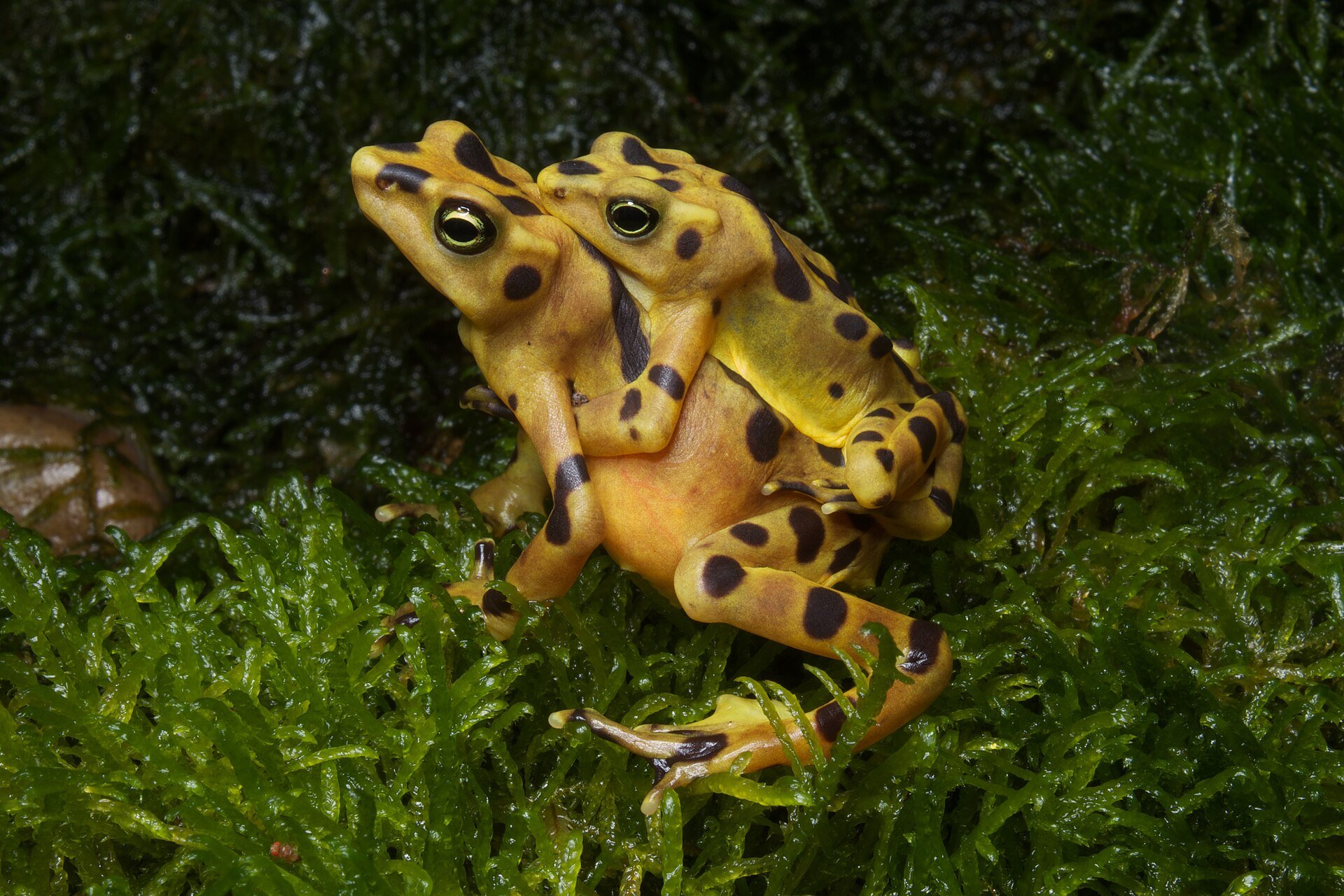
Two bright yellow Panamanian golden frogs with black markings, one clasping the other, on green moss.

Critically Endangered (IUCN), possibly extinct in the wild

Panamanian Golden Frog

Atelopus zeteki

Panama's national symbol, possibly extinct in the wild since the late 2000s and surviving in a network of captive assurance colonies.

Region:
Central Panama
Principal threat:
Chytrid fungus disease
View full profile →