Species Focus Area

Urban Wildlife at Risk

Cities are habitat whether we plan for them that way or not. Urban green space often carries species with nowhere else nearby to go.

Why this group matters

These are the species most people can actually affect — through a yard, a chimney, a streetlight, or a vacant lot.

Common threats

  • · Loss of green corridors and nesting structures
  • · Light and noise pollution
  • · Rodenticide moving up the food chain
  • · Litter, entanglement, and window collisions

How people can help

  • · Adopt a park, lot, or creek reach
  • · Keep chimneys uncapped where swifts nest and use wildlife-safe pest control
  • · Advocate for native landscaping and dark-sky lighting

Ten Urban-Edge Species of Exceptional Conservation Concern

These ten are not a scientific ranking. They were selected for conservation urgency, teaching value, and regional relevance, and each one has a complete, sourced profile.

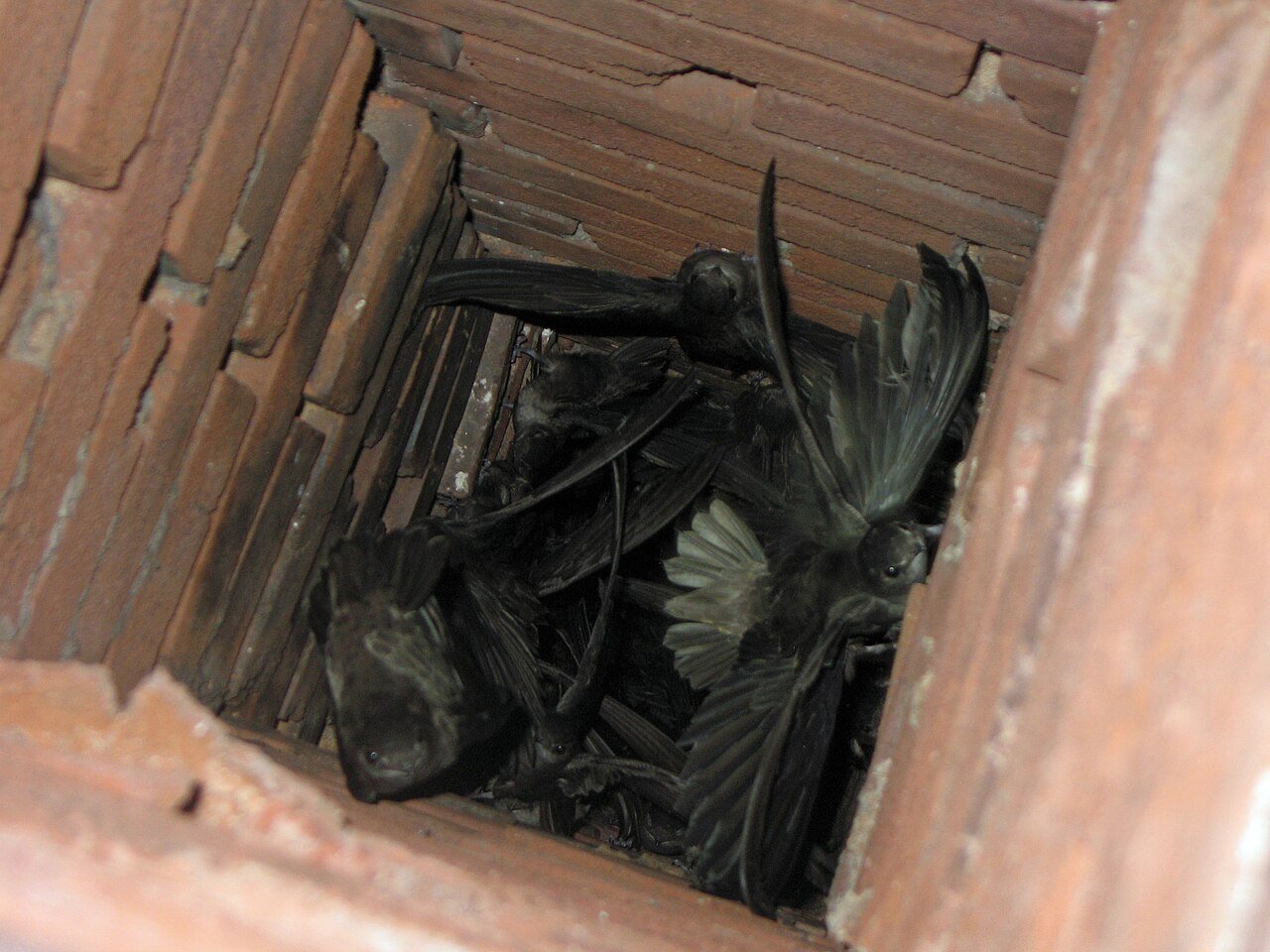
Several chimney swifts clinging to the inside wall of a brick chimney.

Vulnerable (IUCN)

Chimney Swift

Chaetura pelagica

A bird that gave up hollow trees for masonry chimneys, and is now declining as those chimneys are capped, lined, and demolished.

Region:
Eastern North America, wintering in South America
Principal threat:
Loss of chimney nesting and roosting sites
View full profile →
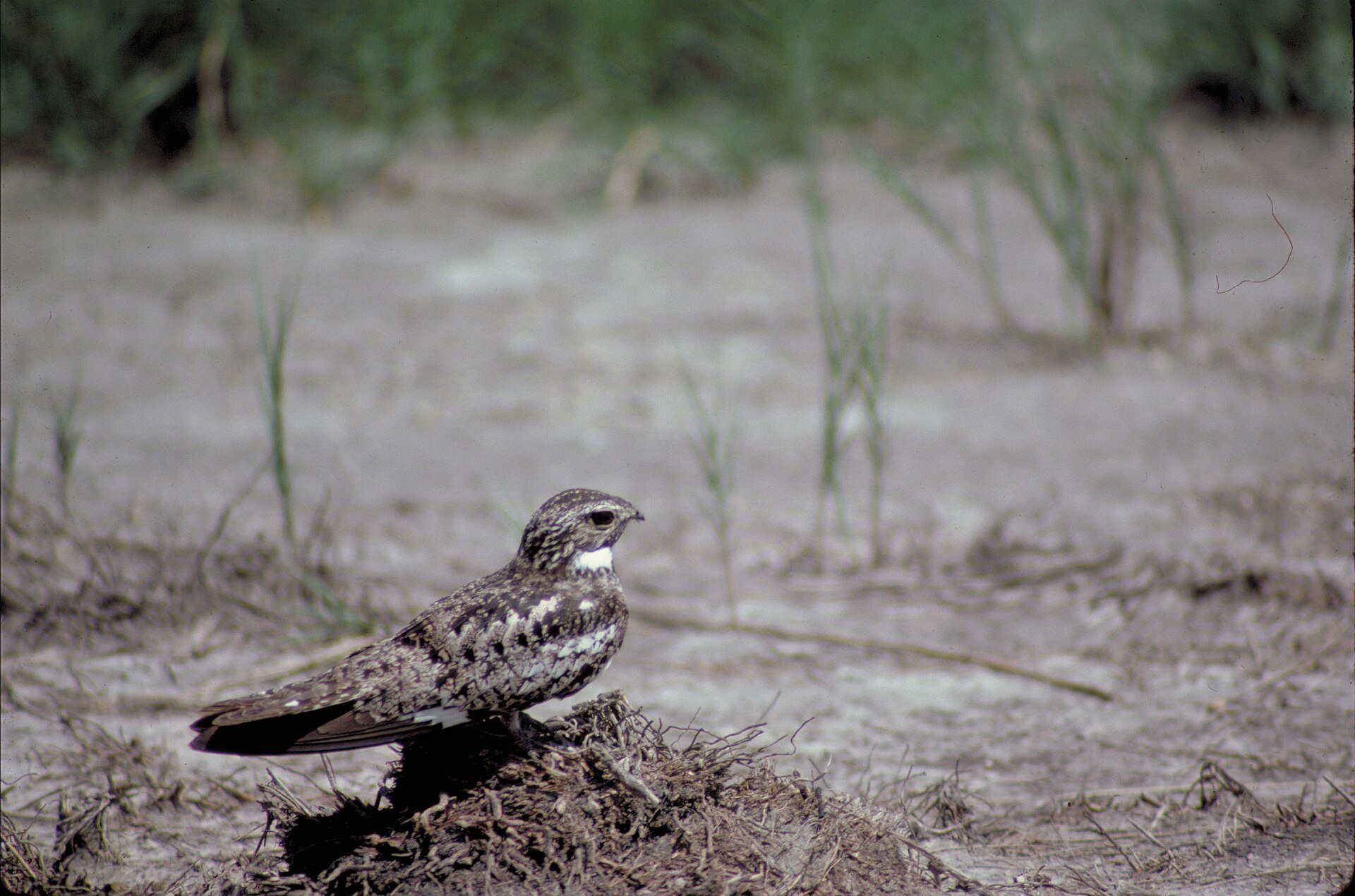
A common nighthawk crouched on bare ground, its mottled brown plumage blending with the soil.

Least Concern (IUCN), with steep documented decline

Common Nighthawk

Chordeiles minor

A bird that nests on bare gravel rooftops in cities and is disappearing as flat roofs are resurfaced with smooth membrane.

Region:
North America, wintering in South America
Principal threat:
Loss of gravel rooftops and insect decline
View full profile →
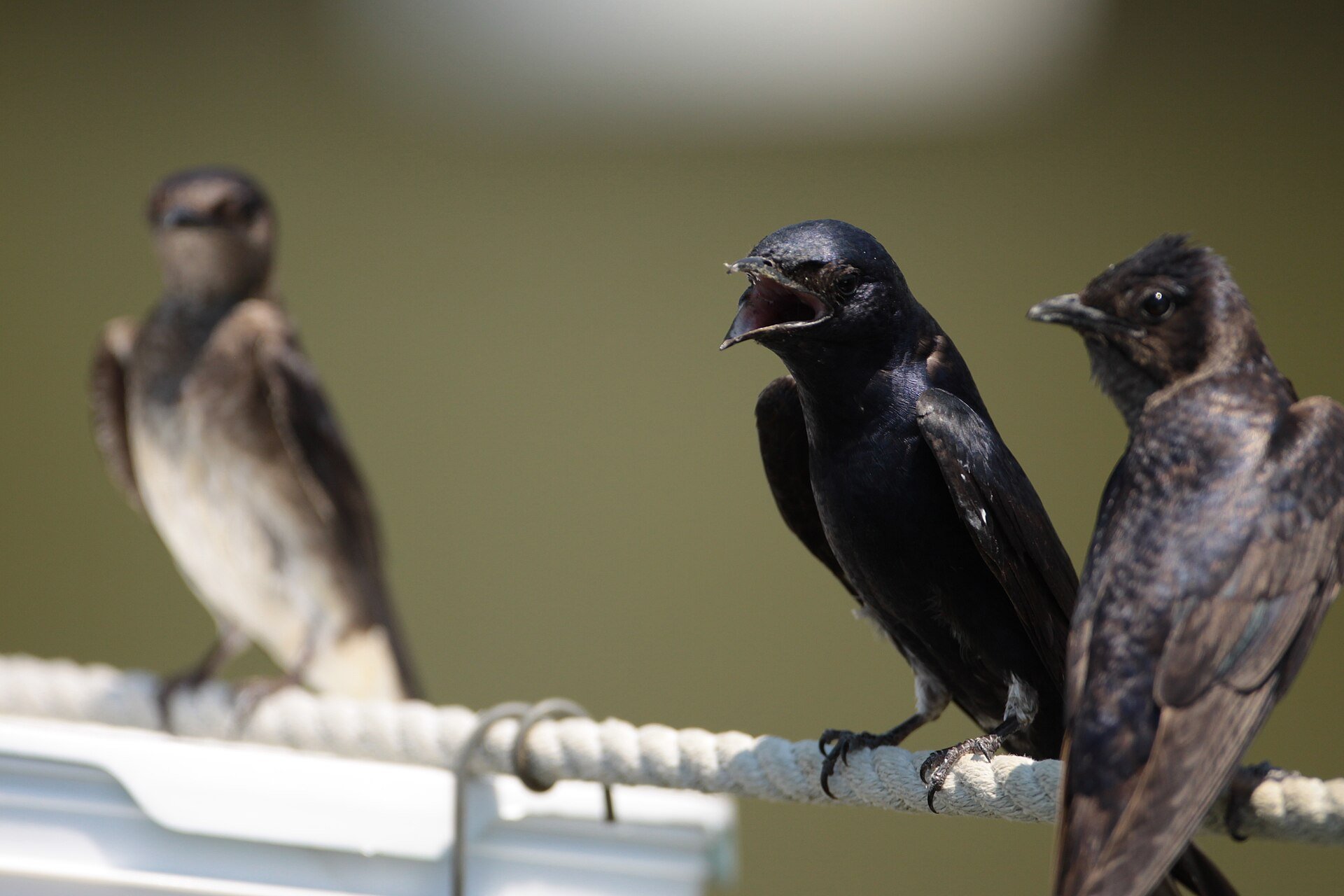
Three purple martins perched on a rope near a nest gourd, including a glossy dark-purple male.

Least Concern (IUCN), with regional declines

Purple Martin

Progne subis

North America's largest swallow, whose eastern population nests almost entirely in housing provided by people.

Region:
North America, wintering in Brazil
Principal threat:
Nest site competition from introduced starlings and house sparrows
View full profile →
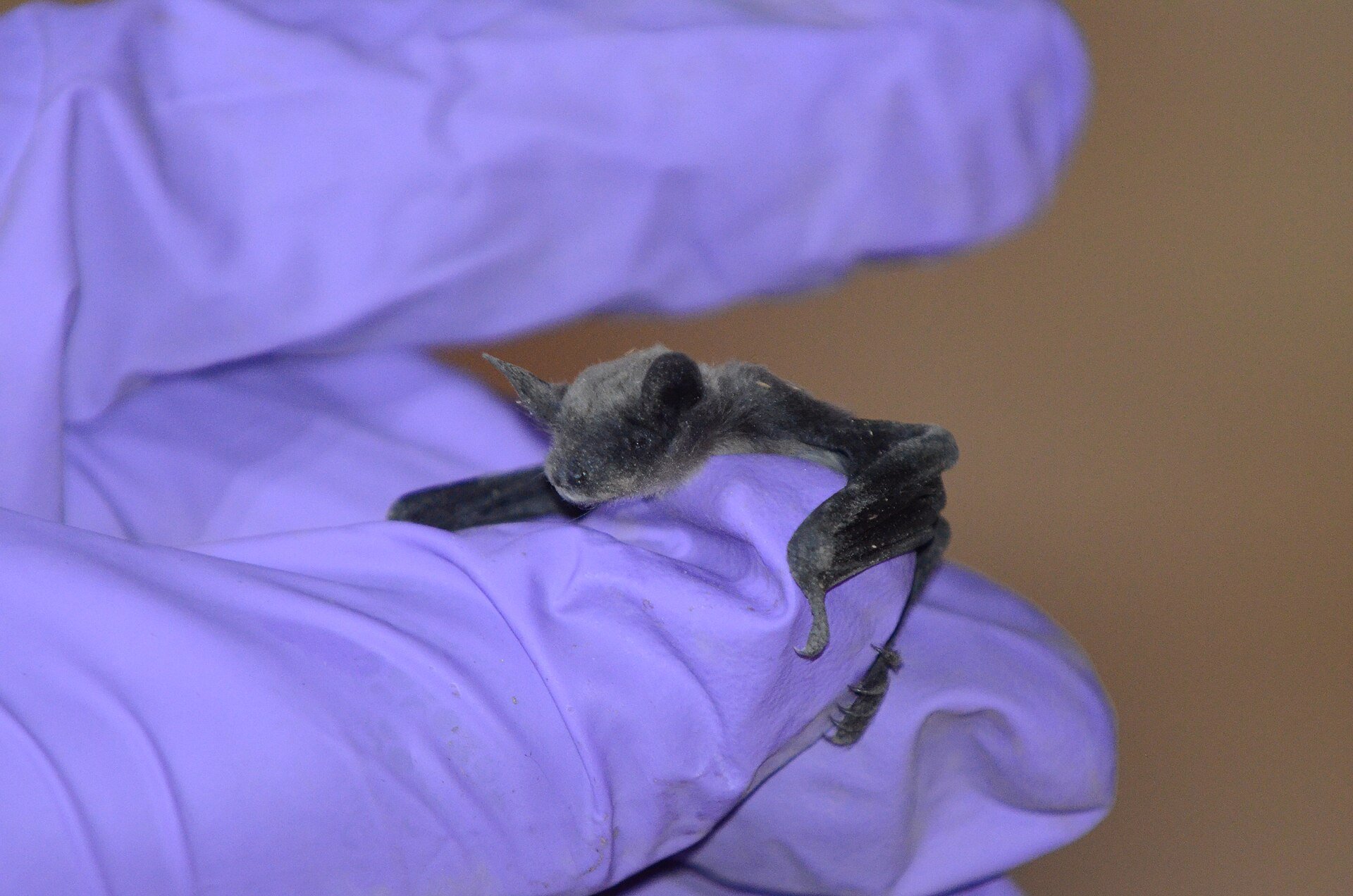
A newborn little brown bat resting on a gloved hand.

Endangered (IUCN); ESA listing proposed

Little Brown Bat

Myotis lucifugus

Once among the most common bats in North America, reduced by more than 90 percent in the northeast within roughly a decade by a fungal disease.

Region:
North America
Principal threat:
White-nose syndrome
View full profile →
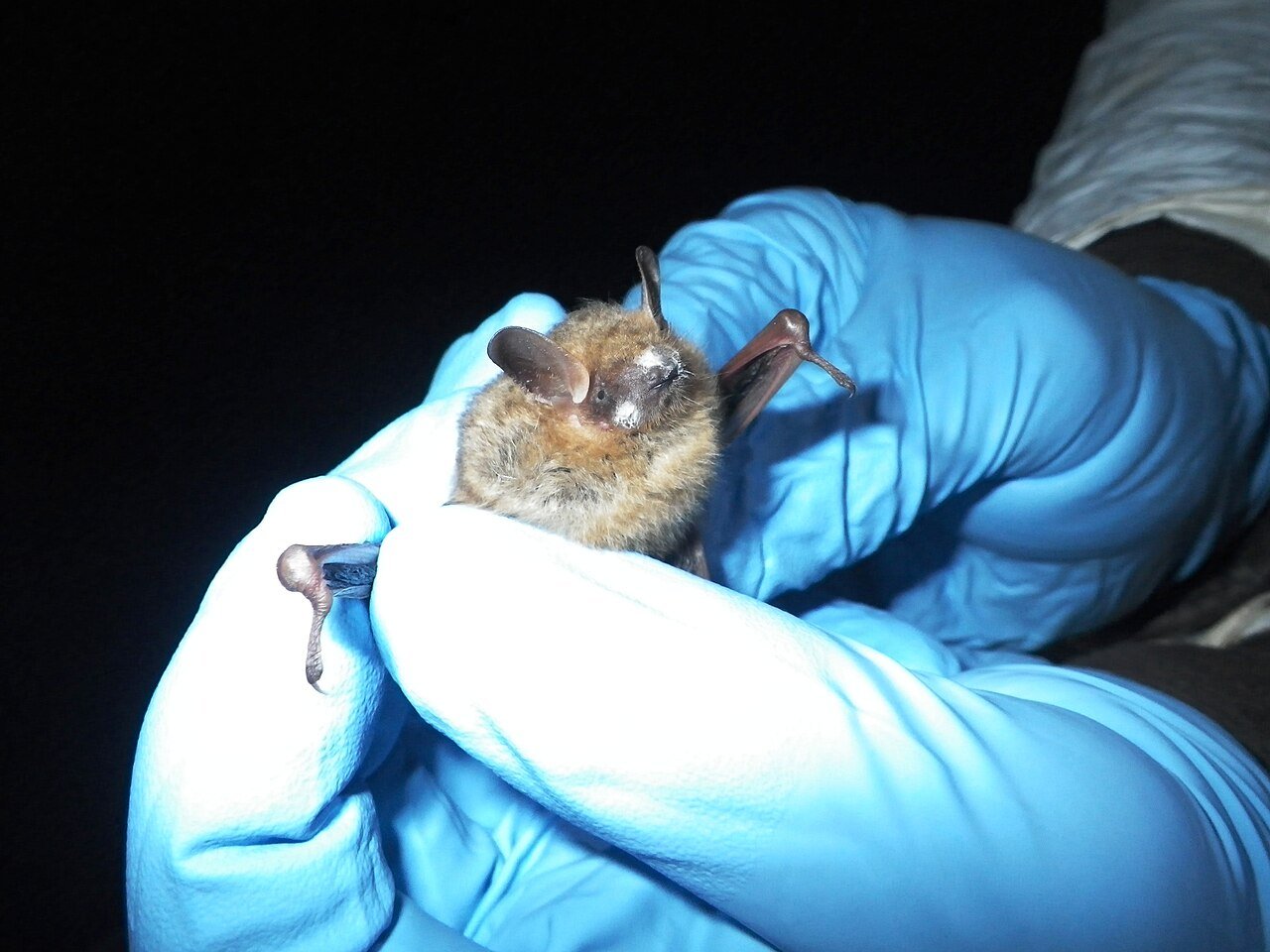
A tricolored bat with pale fur and dark wings held carefully in a gloved hand.

Vulnerable (IUCN); ESA listing proposed as Endangered

Tricolored Bat

Perimyotis subflavus

One of the smallest bats in eastern North America, devastated by white-nose syndrome and proposed for federal endangered status.

Region:
Eastern and central North America
Principal threat:
White-nose syndrome
View full profile →
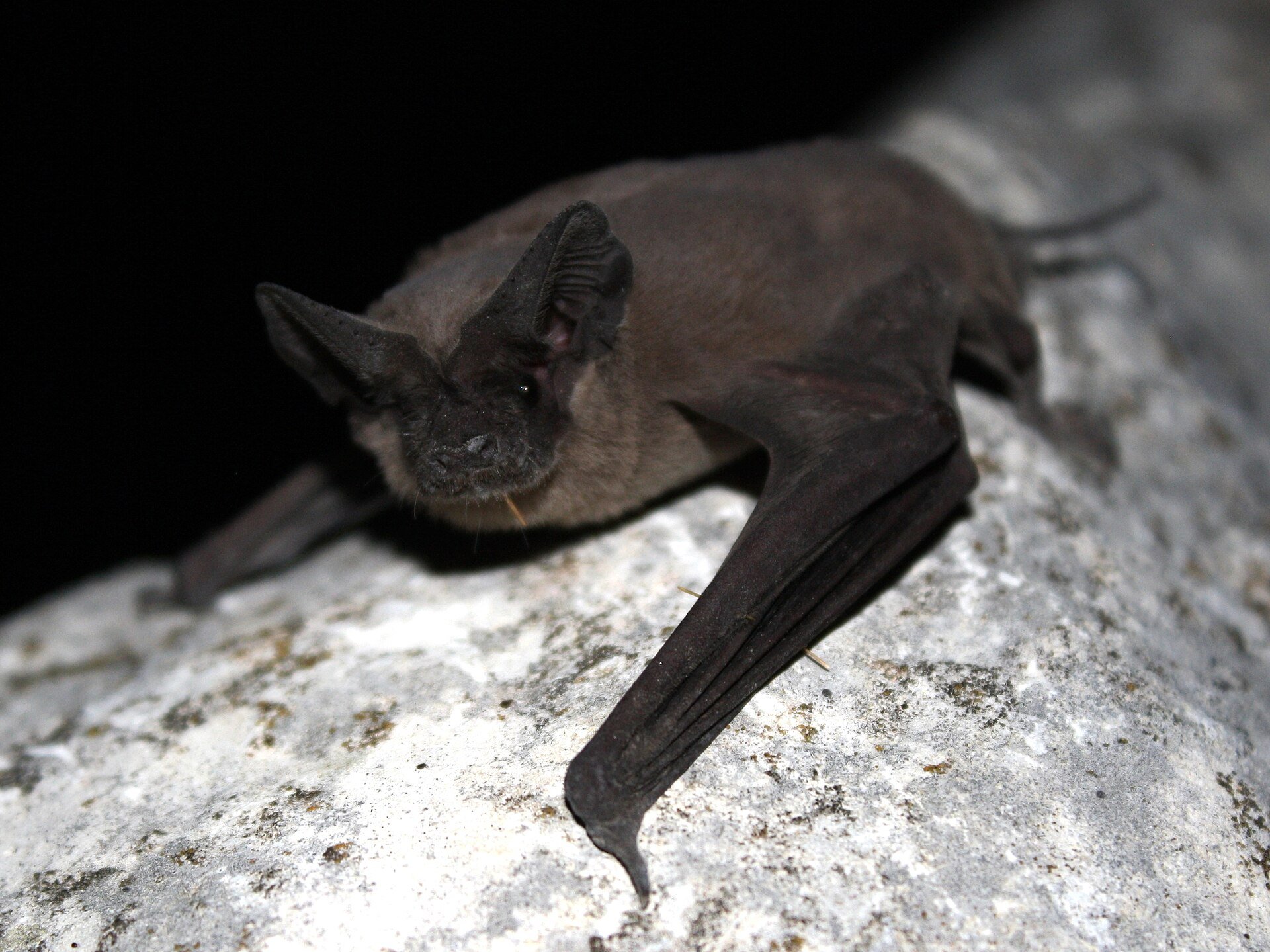
A Mexican free-tailed bat crawling on a pale rock, showing its wrinkled lips and long tail.

Least Concern (IUCN), with significant colony-level vulnerability

Mexican Free-tailed Bat

Tadarida brasiliensis

The bat that fills Texas skies at dusk, forming some of the largest gatherings of mammals anywhere on earth — including beneath a bridge in downtown Austin.

Region:
Southern United States, Mexico, and Central and South America
Principal threat:
Roost disturbance, wind turbines, and pesticide exposure
View full profile →
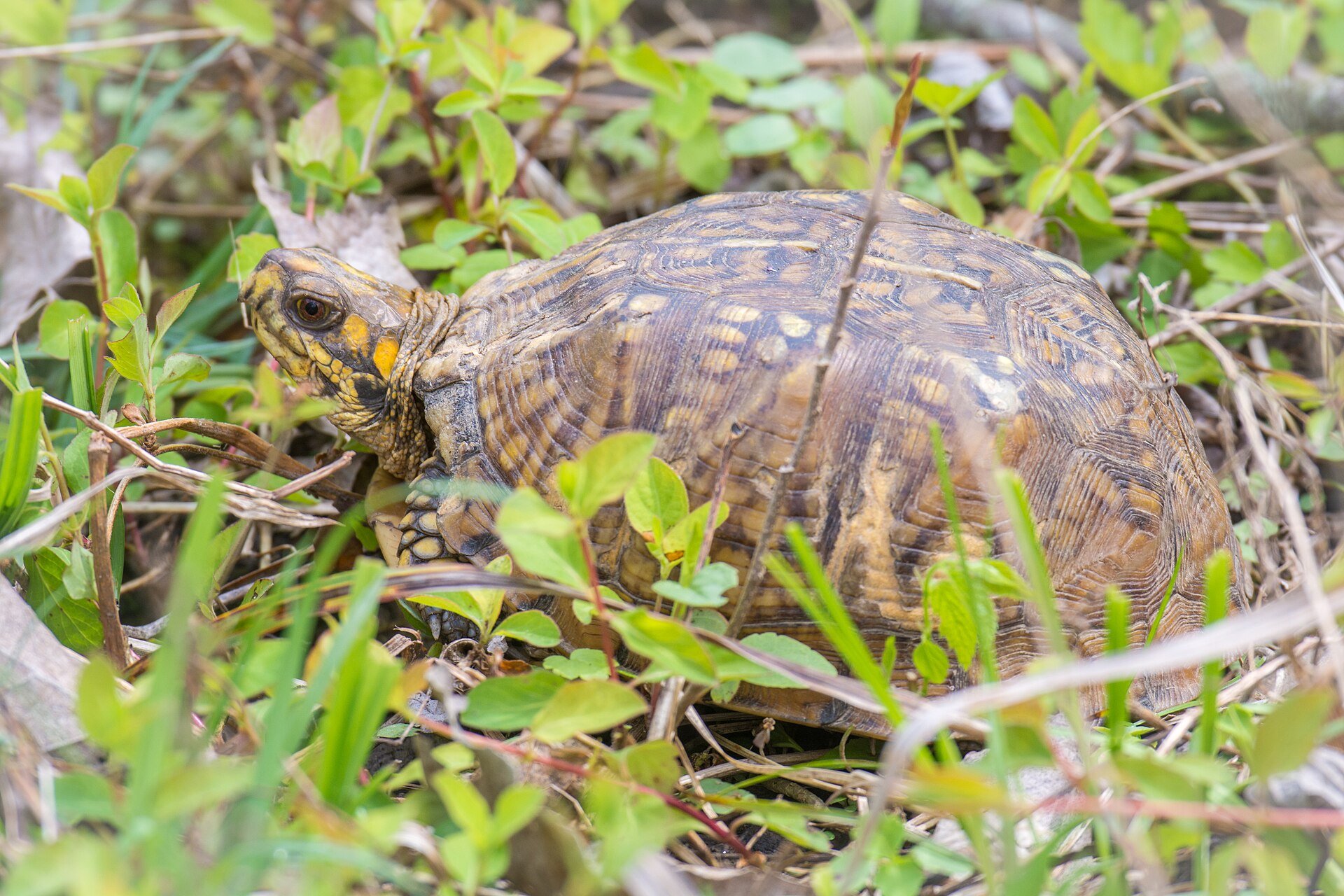
An eastern box turtle with a high domed yellow-and-brown shell walking through low plants.

Vulnerable (IUCN)

Eastern Box Turtle

Terrapene carolina carolina

A long-lived land turtle declining across suburban and rural America through road mortality, habitat fragmentation, and well-meaning removal from the wild.

Region:
Eastern United States
Principal threat:
Road mortality, habitat fragmentation, and collection
View full profile →
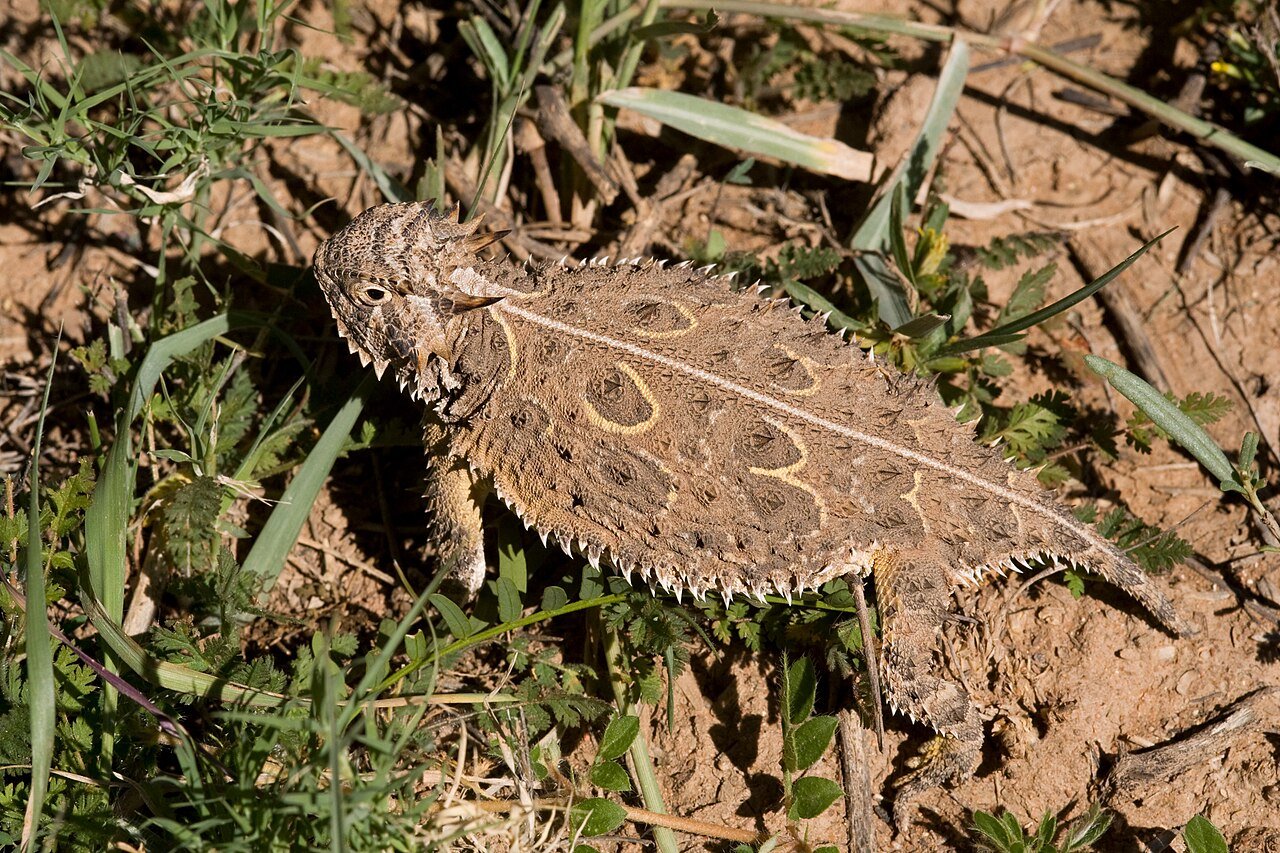
A Texas horned lizard on rocky soil, showing its crown of horns and flattened spiny body.

Least Concern (IUCN); Threatened (Texas state listed)

Texas Horned Lizard

Phrynosoma cornutum

The Texas state reptile, once common in yards and schoolyards and now largely gone from the eastern half of the state.

Region:
Texas, the southern plains, and northern Mexico
Principal threat:
Loss of harvester ants to fire ants and pesticides
View full profile →
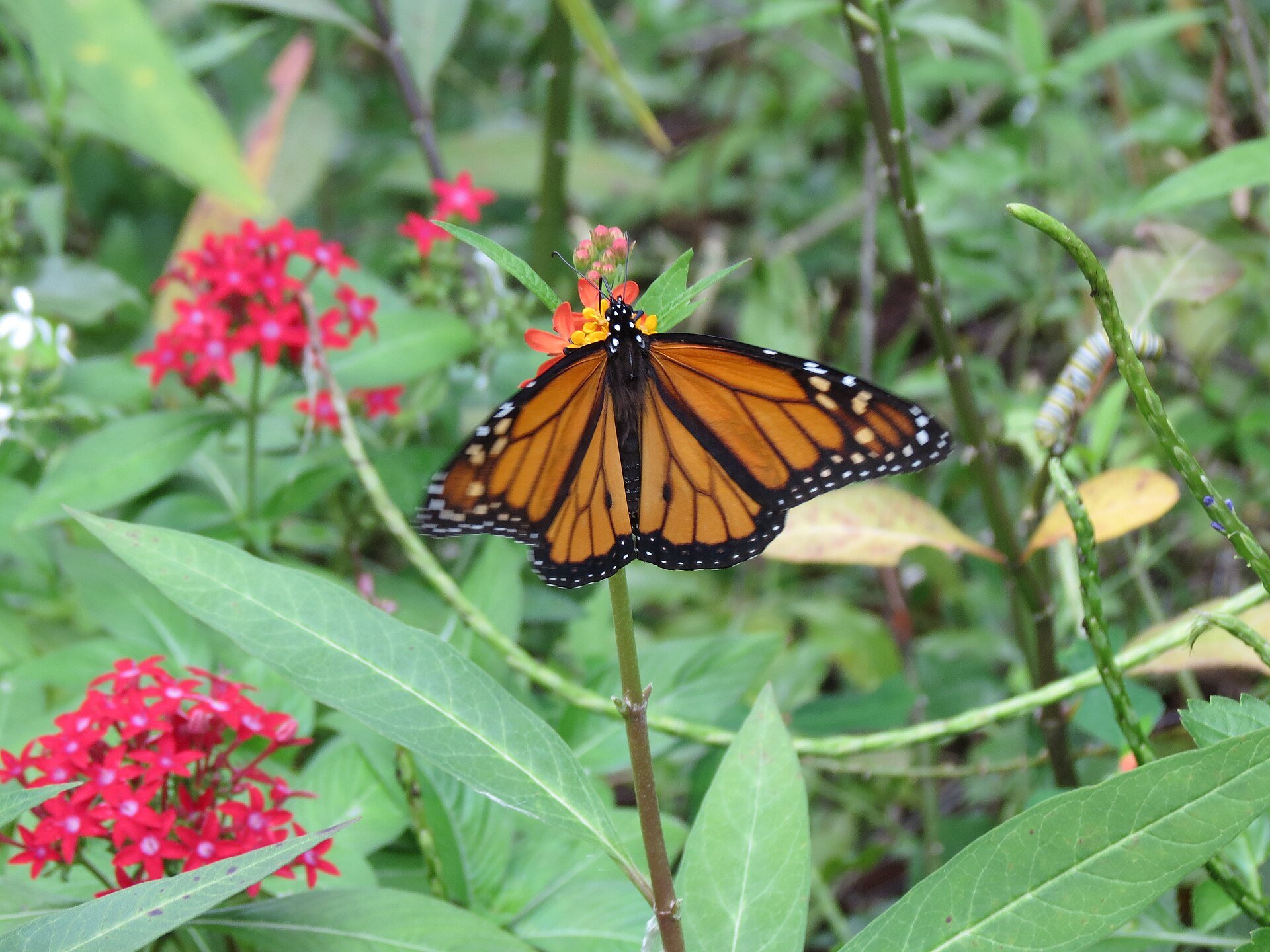
A monarch butterfly with orange and black wings feeding on red flowers.

Vulnerable (IUCN) / Proposed Threatened (ESA)

Monarch Butterfly

Danaus plexippus

A butterfly whose entire eastern population funnels through Texas twice a year on a multi-generation journey between Canada and central Mexico.

Region:
North America, wintering in Mexico and coastal California
Principal threat:
Loss of milkweed and overwintering habitat
View full profile →
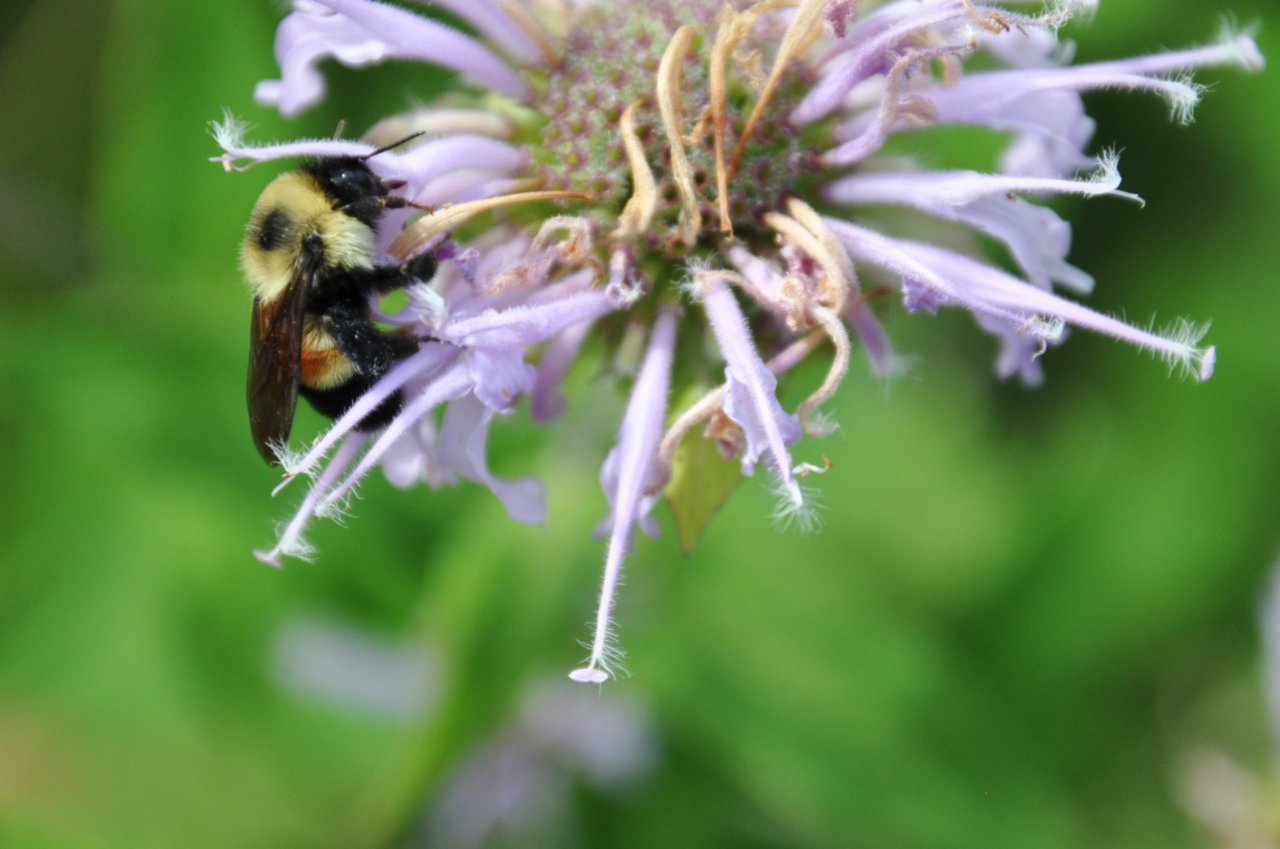
A rusty patched bumble bee feeding on a pale purple wild bergamot flower.

Critically Endangered (IUCN) / Endangered (ESA)

Rusty Patched Bumble Bee

Bombus affinis

The first bumble bee protected under the U.S. Endangered Species Act, gone from about 87 percent of its historic range in roughly two decades.

Region:
Upper Midwest and northeastern United States
Principal threat:
Disease spillover from commercial bees and pesticides
View full profile →