World Pangolin Day
The third Saturday in February
One day each year for an animal most people have never heard of, and which is trafficked more than any other wild mammal.
Next occurrence
Saturday, 20 February 2027
Third Saturday in February every year
What the day is for
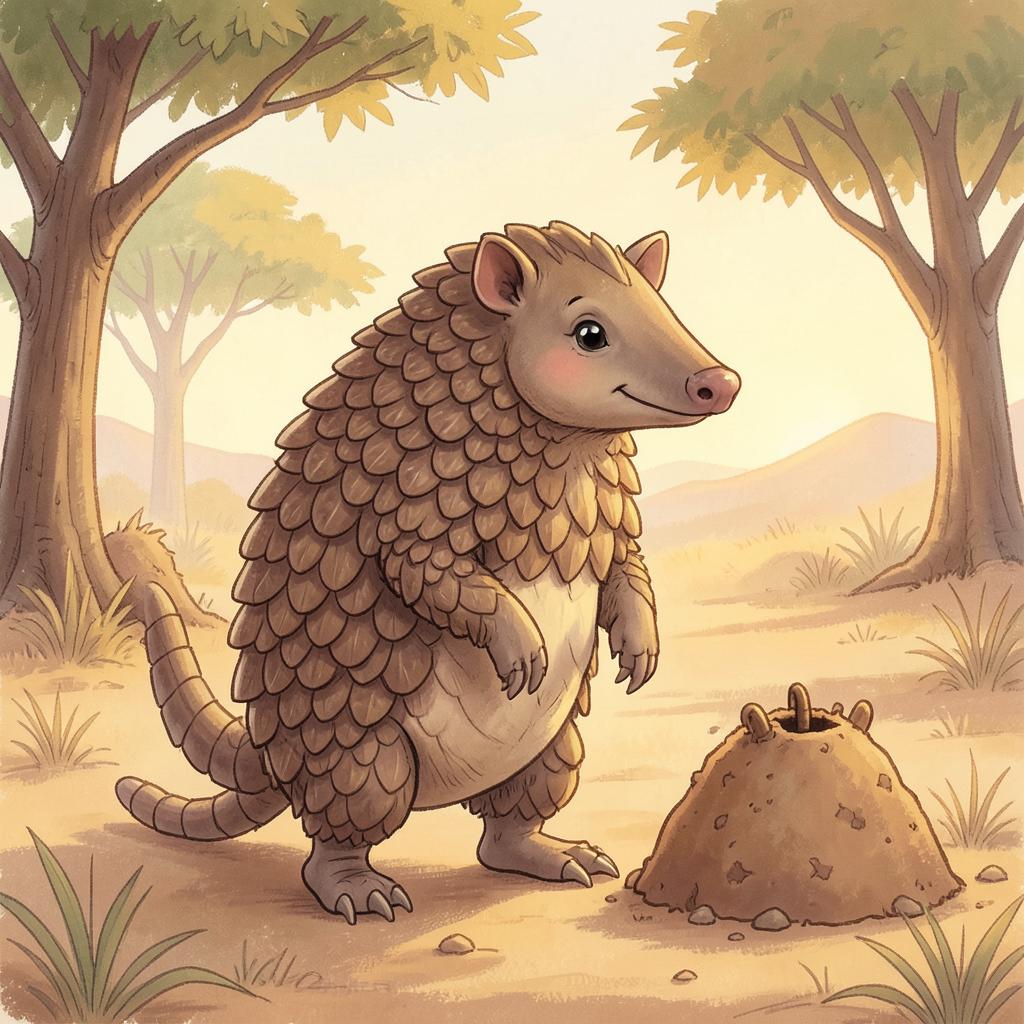
A single day each year devoted to the world's most trafficked wild mammals, and to the people working to stop that trade.
Pangolins are the only mammals covered in scales. The scales are keratin — the same material as fingernails and hair — and that ordinary fact is the most useful thing most people can learn, because the trade in scales rests on the belief that they are something more.
Three pangolin species have full, sourced profiles on this site. Read one before the day arrives, and you will have something specific to teach rather than a slogan.
Organized by World Pangolin Day campaign, supported by pangolin conservation organizations. worldpangolinday.org
Pangolin species profiled here
Manis javanica
Sunda Pangolin
A scaled, ant-eating mammal of Southeast Asia driven toward extinction by the most intense illegal wildlife trade of any mammal group.
Manis pentadactyla
Chinese Pangolin
A scaled, ant-eating mammal from southern Asia, trafficked in such volume that it has been functionally lost across much of its historic range.
Smutsia temminckii
Temminck's Ground Pangolin
Africa's most widespread pangolin, increasingly targeted by international trafficking as Asian pangolin populations collapse.
Ways to mark the day
Audience
Schools
One lesson: what keratin is, why a pangolin rolls into a ball, and why that defence works against a leopard but not against a person with a sack.
Audience
Churches and youth groups
Stewardship study on quiet, unglamorous creatures, paired with a service project on your own grounds.
Audience
Families
Read about one pangolin species together, then teach one other person the plain fact about scales. That is a full day's work and it travels.
One thing to do: Teach one group of people what a pangolin actually is, and that its scales are keratin — the same material as fingernails.